🇺🇸 ✈️ 🇧🇩 Your Complete USA to Bangladesh Travel Guide
Everything American travelers need to know: visa-on-arrival, best flights, costs, safety, and expert tips for an unforgettable Bangladesh journey
Why American Travelers Should Discover Bangladesh
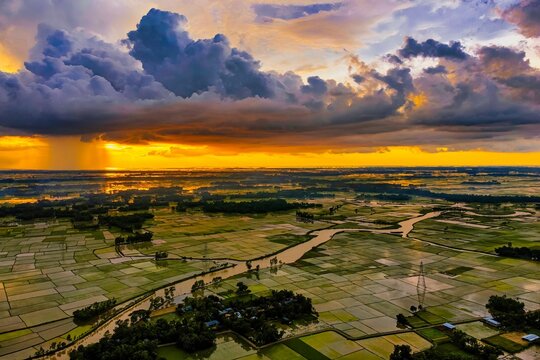
Bangladesh offers incredible experiences rarely found elsewhere in Asia
For most Americans, Bangladesh remains off the beaten path—a country overshadowed by its larger neighbors India and Thailand despite offering equally compelling travel experiences at a fraction of the cost and crowds. This South Asian nation of 170 million people occupies a unique position: culturally rich yet authentically preserved, naturally spectacular yet refreshingly undiscovered by mass tourism, and affordable beyond what most US travelers imagine possible.
Travelling to Bangladesh from the USA has become significantly easier in recent years. American citizens now qualify for visa-on-arrival, eliminating the pre-pandemic hassle of obtaining visas through Bangladesh embassies. Direct connecting flights from major US hubs reach Dhaka in 18-22 hours total travel time—comparable to reaching Southeast Asian destinations. The country welcomes American travelers with warm hospitality that exceeds even the legendary friendliness found elsewhere in South Asia.
What makes Bangladesh special for US travelers? The sheer uniqueness of experiences available nowhere else. Where else can you walk the world’s longest natural beach stretching unbroken for 75 miles? Cruise through the Sundarbans mangrove forest—the planet’s largest—while searching for Royal Bengal Tigers? Explore 1,000-year-old Buddhist monasteries predating Angkor Wat? Experience vibrant mega-city life in Dhaka, one of Earth’s most densely populated yet fascinating urban areas? All while spending less daily than a single meal costs back home in New York or San Francisco.
Bangladesh offers particular appeal to certain American traveler types. Adventure seekers find genuine frontier travel experiences without the infrastructure of over-touristed destinations. Culture enthusiasts encounter 4,000 years of Bengal civilization expressed through architecture, art, music, and traditions largely unchanged for centuries. Nature lovers discover extraordinary biodiversity in the Sundarbans, tea country, and hill regions. Photographers find endless subjects—from chaotic river ports to serene countryside to vibrant street life. And budget travelers stretch dollars further than almost anywhere else while maintaining comfortable standards.
This comprehensive guide addresses everything US travelers need to know about visiting Bangladesh. We’ll explore visa requirements specifically for American passport holders, detail flight options from various US cities, provide realistic cost breakdowns, explain health preparations, offer safety guidance addressing common American concerns, and reveal how to maximize your Bangladesh experience whether you have one week or one month.
🎯 Why Bangladesh Appeals to Americans
- Visa-on-arrival for US citizens—no pre-planning required
- Incredible value: $30-50/day covers comfortable travel including hotels and meals
- Authentic South Asia without tourist crowds or scams
- World-class natural attractions: longest beach, largest mangrove forest, tea estates
- Rich history spanning Mughal, Buddhist, and British colonial periods
- Safe for American travelers who exercise normal precautions
- Warm hospitality—Bangladeshis genuinely welcome American visitors
- Growing tourism infrastructure in major destinations
- Unique experiences unavailable in more popular Asian countries
The timing is perfect for American travelers to discover Bangladesh. The country has made significant investments in tourism infrastructure—better hotels, improved transportation, and English-language information—while still maintaining the authenticity that disappears once mass tourism arrives. You’ll experience real Bangladesh, not a sanitized tourism product. Yet you won’t face the extreme challenges of truly undeveloped destinations. This sweet spot won’t last forever as Bangladesh gains recognition as a must-visit destination.
Whether you’re adding Bangladesh to a broader South Asia itinerary, seeking alternatives to over-touristed Thailand or India, or specifically drawn to this fascinating nation, this guide provides everything needed for successful travel from the USA to Bangladesh. Let’s start with the practical details of getting there, then explore how to make the most of this remarkable travel opportunity.
Ready to Explore Bangladesh?
Connect with expert local guides who make Bangladesh accessible for American travelers
Find Your Guide →Visa Requirements for US Citizens
American travelers receive excellent treatment regarding Bangladesh visas. US citizens are among the 168 nationalities eligible for visa-on-arrival, making Bangladesh travel more accessible than many American travelers realize. This section explains exactly what US passport holders need to know.
Visa-on-Arrival for Americans
Upon landing at Hazrat Shahjalal International Airport in Dhaka or Shah Amanat International Airport in Chittagong, American citizens can obtain tourist visas directly at immigration—no advance applications or embassy visits required. This straightforward process typically takes 30-60 minutes including queue time during peak arrival hours.
Requirements for US Citizens: Valid US passport with minimum 6 months validity beyond your planned departure from Bangladesh (verify your passport expiration date well before booking flights), two passport-sized photographs (2×2 inches, color, white background—bring extras as specifications can be strict), return or onward flight ticket (print confirmation showing you’ll leave Bangladesh), hotel reservations or accommodation details for your Bangladesh stay, proof of financial means (bank statements, credit cards, or cash—approximately $500+ recommended), and $51 USD in exact change for the visa fee (crisp bills work best; credit cards sometimes accepted but cash is more reliable).
The Process: After landing and before immigration checkpoints, follow signs to the visa-on-arrival counter. Complete the application form (available at counters, requesting standard information including US address, Bangladesh accommodation, purpose of visit). Submit your passport, form, photographs, and $51 fee to VOA officials. They’ll verify your documents, process payment, and stamp a 30-day single-entry tourist visa in your passport. Proceed to immigration with your visa-stamped passport for entry clearance.
Pre-Arranged Visa Option
While visa-on-arrival suits most US tourists, some Americans prefer obtaining visas before departure. Reasons include avoiding airport queues, needing longer stays or multiple entries (VOA grants only 30-day single entry), or seeking peace of mind knowing authorization is secured.
Apply at the Bangladesh Embassy in Washington DC or Consulate General in New York City or Los Angeles. The process requires submitting your passport (valid 6+ months), completed application form, photographs, financial documents, and fees ($51-160 depending on duration and entries). Processing typically takes 3-5 business days for tourist visas. You can apply by mail or in person.
E-Visa for Americans
Bangladesh has introduced an e-visa system accessible to US citizens. Visit the official Bangladesh e-visa portal, create an account, complete the online application, upload required documents digitally, and pay fees online. Processing takes 5-7 business days. Upon approval, print your e-visa to present with your passport at Bangladesh immigration. The e-visa eliminates embassy visits but requires internet access and comfortable navigation of online systems.
Important Visa Notes for Americans
Visa Duration: The standard visa-on-arrival grants 30 days. US citizens requiring longer stays should apply for 60 or 90-day tourist visas through embassies before departure. Extensions can be requested in Bangladesh but aren’t guaranteed.
Entries: VOA is single-entry. If your itinerary includes leaving Bangladesh (to Nepal, India, etc.) and returning, obtain a multiple-entry visa from an embassy in advance.
Travel Insurance: While not mandatory for visa issuance, comprehensive travel insurance is strongly recommended. Many US health insurance plans don’t cover Bangladesh. Purchase international travel insurance before departure.
For the most current Bangladesh travel requirements specific to US citizens, verify details with the Bangladesh Embassy in Washington DC or check the official government website shortly before travel as policies can update.
Flights from USA to Bangladesh

Multiple routing options connect major US cities to Dhaka
No direct flights connect the United States to Bangladesh, so all journeys require at least one connection. However, excellent routing options via Middle East and Asian hubs make the journey manageable with total travel times comparable to reaching Southeast Asia.
Major Departure Cities
From New York (JFK/EWR): New York offers the most flight options for Bangladesh. Popular routes include Emirates via Dubai (18-20 hours total), Qatar Airways via Doha (17-19 hours), Turkish Airlines via Istanbul (18-20 hours), Etihad via Abu Dhabi (19-21 hours), and Thai Airways via Bangkok (20-22 hours). Expect total journey times of 18-22 hours including layovers.
From Washington DC (IAD): Similar routing to New York with slightly longer connection times. Qatar Airways via Doha and Emirates via Dubai are popular choices. Total travel time 19-23 hours.
From Los Angeles/San Francisco: West Coast departures often route through Middle Eastern hubs (Dubai, Doha, Abu Dhabi) or Asian cities (Bangkok, Singapore, Hong Kong). Total travel time 20-24 hours depending on layover duration.
From Chicago (ORD): Good connections via Doha on Qatar Airways or Dubai on Emirates. Total travel time 19-22 hours.
From Houston (IAH): Emirates via Dubai and Qatar via Doha offer convenient routing. Total travel time 20-23 hours.
Best Airlines for USA-Bangladesh Routes
Qatar Airways: Consistently high-rated service, modern aircraft, comfortable economy class, and excellent Doha hub connections. The Doha-Dhaka segment is relatively short. Round-trip fares typically $1,000-1,500 from East Coast, $1,200-1,800 from West Coast.
Emirates: Spacious aircraft, good service, and Dubai’s massive terminal offers shopping and lounging during layovers. Round-trip fares similar to Qatar Airways.
Turkish Airlines: Competitive pricing, decent service, and Istanbul layovers break up the journey nicely. Often $100-200 cheaper than Qatar/Emirates but longer total journey times.
Etihad: Comfortable service via Abu Dhabi. Similar pricing to Emirates and Qatar.
Thai Airways/Singapore Airlines: If visiting Southeast Asia before or after Bangladesh, routing through Bangkok or Singapore works well. Slightly longer journey times but allows exploring these cities during extended layovers.
Flight Costs and Booking Tips
Round-trip flights from the USA to Bangladesh typically cost $1,000-2,000 in economy class, with significant variation based on departure city, season, booking timing, and airline. Premium economy runs $1,800-3,000, business class $3,500-7,000.
Best Booking Practices: Book 2-3 months in advance for best economy fares. Tuesday/Wednesday departures are often cheaper than weekend flights. Be flexible with dates—shifting travel by a few days can save $200-400. Use fare comparison sites but also check airline websites directly. Sign up for airline newsletters to catch flash sales. Consider positioning flights—sometimes flying to a different US hub city with better Bangladesh connections saves overall.
Peak vs Off-Peak: Peak season (November-February) sees highest fares due to weather and holiday demand. Book well in advance for winter travel. Summer monsoon season (June-August) offers lowest fares—often $200-300 less than winter—though weather conditions are challenging.
Layover Considerations
Most USA-Bangladesh routes involve 2-6 hour layovers. Short layovers (2-3 hours) minimize total travel time but risk missing connections if incoming flights delay. Longer layovers (5-8 hours) provide buffer against delays and allow exploring hub cities, though they extend already long journeys.
Dubai, Doha, and Istanbul airports offer good facilities including lounges, restaurants, shopping, and even sleeping pods. If facing extended layovers, these amenities make waiting more pleasant. Some airlines offer free city tours during long layovers—Emirates does this in Dubai, Turkish in Istanbul.
Best Time to Travel from USA to Bangladesh
Bangladesh has distinct seasons that dramatically affect travel experiences. Choosing the right time balances weather conditions, costs, crowds, and specific interests.
Winter Season (November-February) – Peak Travel Time
The ideal period for American travelers features comfortable temperatures (60-80°F), minimal rainfall, low humidity, and clear skies. All destinations are accessible and pleasant. This is peak tourist season when Bangladesh is most visited, though “peak” here means modest crowds compared to tourist hotspots elsewhere in Asia.
Pros: Perfect weather for sightseeing and outdoor activities, beaches are ideal, the Sundarbans offers best wildlife viewing with fewer mosquitoes, festivals and cultural events peak, and visibility is excellent for photography. Americans accustomed to cold winters particularly appreciate escaping to Bangladesh’s warm, dry season.
Cons: Highest flight costs from USA ($1,200-2,000 round-trip), accommodation prices increase 20-40% in tourist areas, popular sites see larger crowds (though still manageable), and booking should be done 2-3 months in advance.
Spring (March-May) – Shoulder Season
Temperatures rise significantly (80-100°F) with increasing humidity. This challenging season sees fewer tourists, offering benefits for budget-conscious Americans willing to handle heat.
Pros: Flight costs drop $200-400 from peak season, hotel prices decrease significantly, fewer crowds at major attractions, and Bangladeshi mangoes (considered world’s best) are in season. Americans from hot climates (Arizona, Texas, Florida) may find conditions more tolerable.
Cons: Oppressive midday heat makes outdoor activities uncomfortable, humidity climbs, and air conditioning becomes essential rather than optional. Schedule activities for early morning and late afternoon.
Monsoon (June-October) – Off-Peak Season
Heavy rains drench Bangladesh, transforming landscapes luminous green but creating travel challenges. This is the least popular time for American tourists.
Pros: Lowest flight costs—often $300-500 less than winter, dramatic price drops on accommodation (50-60% discounts common), landscapes are spectacularly green, and you’ll have genuine adventures due to few tourists. Photographers find incredible conditions despite rain challenges.
Cons: Frequent flooding can disrupt plans, roads become impassable in some areas, outdoor activities face constant rain interruptions, Sundarbans mosquitoes intensify dramatically, Cox’s Bazar seas are too rough for swimming, and overall comfort levels drop significantly.
Recommendation for US Travelers
For first-time American visitors, November through February offers the best balance of weather, accessibility, and experience quality. The premium paid for winter travel is worth it for smooth experiences and maximum enjoyment. Experienced travelers willing to handle challenges might choose shoulder seasons (late October-early November or February-March) for savings while avoiding monsoon extremes.
Plan Your Perfect Bangladesh Trip
Expert guides help you time your visit and discover Bangladesh’s highlights
Get Started →Cost Breakdown: What Americans Should Budget
Bangladesh offers extraordinary value for US travelers. Your dollars stretch remarkably far while maintaining comfortable travel standards—a pleasant surprise for Americans accustomed to expensive vacations.
Daily Budget by Travel Style
Budget Travel ($30-50/day): Basic guesthouses ($10-20/night), local restaurants and street food ($5-10/day), public transportation ($3-5/day), budget tours or self-guided sightseeing ($5-10/day), and basic miscellaneous expenses ($5-10/day). This bare-bones approach still provides clean accommodation, good food, and access to major attractions—remarkable value by US standards.
Mid-Range Travel ($60-120/day): Comfortable hotels with AC and amenities ($30-60/night), mix of local and tourist restaurants ($15-25/day), some private transportation and organized tours ($15-30/day), attraction fees and activities ($10-20/day), and miscellaneous shopping/extras ($10-20/day). This budget provides very comfortable travel comparable to upper mid-range US accommodation standards.
Luxury Travel ($150-300+/day): Top international chain hotels ($100-200/night), fine dining and international cuisine ($30-60/day), private car with driver and premium tours ($40-80/day), activities and premium experiences ($20-40/day), and shopping and extras ($20-40/day). Even “luxury” in Bangladesh costs far less than budget travel in many Western countries.
Specific Cost Examples
Accommodation: Budget guesthouse $10-20, mid-range hotel $30-60, upscale hotel $80-120, international chain luxury $150-250. Compare this to US hotel costs where mid-range runs $100-200 minimum.
Food: Street food meal $1-3, local restaurant meal $3-7, tourist restaurant meal $8-15, upscale restaurant $15-30. A meal costing $20 in Bangladesh would be $40-60+ for comparable quality in the US.
Transportation: City rickshaw ride $0.50-2, Uber/taxi ride $2-8, bus between cities $5-15, domestic flight $40-120, multi-day Sundarbans tour (all-inclusive) $150-400. Internal transportation costs a fraction of US equivalents.
Activities: Museum/temple entry $2-5 (foreigners pay more than locals but still cheap), guided city tour $30-60, Cox’s Bazar hotel (3 days) $60-150, Sundarbans boat tour (2-3 days all-inclusive) $150-400, professional guide (full day) $40-60.
Total Trip Costs for Americans
A 10-day Bangladesh trip from the USA might cost: Round-trip flights $1,000-1,800, visa fee $51, accommodation (9 nights at mid-range) $270-540, food and drinks $150-250, tours and activities $200-400, transportation within Bangladesh $100-200, miscellaneous/shopping $100-200. Total: $1,871-3,441 for 10 days including flights.
Compare this to a similar 10-day trip to popular Thailand or Bali: flights $800-1,500, visa/fees $35-50, accommodation $450-900, food $300-500, tours $300-600, transport $200-400, miscellaneous $200-400. Total: $2,285-4,350—Bangladesh saves $400-900 while offering more unique experiences.
Americans coming from expensive US cities (New York, San Francisco, Los Angeles) will find Bangladesh shockingly affordable. A $100 daily budget in Bangladesh provides comfort levels requiring $300-400 daily in major US cities.
| Expense Category | Budget | Mid-Range | Luxury |
|---|---|---|---|
| Accommodation (per night) | $10-20 | $30-60 | $100-250 |
| Food (per day) | $5-10 | $15-25 | $30-60 |
| Transportation (per day) | $3-5 | $15-30 | $40-80 |
| Activities (per day) | $5-10 | $10-20 | $20-40 |
| TOTAL PER DAY | $30-50 | $60-120 | $150-300+ |
What to Pack for Bangladesh from USA
Packing appropriately for Bangladesh requires balancing climate needs with cultural sensitivity. Americans should pack differently than for typical beach vacations.
Clothing Essentials
Cultural Considerations: Bangladesh is a conservative Muslim-majority country. While major cities show more flexibility, modest clothing demonstrates respect and prevents unwanted attention. Pack lightweight, loose-fitting clothes covering shoulders and knees. Women should bring long skirts/pants and tops covering shoulders. Men should pack long pants and collared shirts for formal situations. Bring a light scarf—women can use for covering head/shoulders at religious sites, everyone appreciates having for dusty travel.
Climate-Appropriate: Lightweight, breathable fabrics (cotton, linen, moisture-wicking synthetics) handle Bangladesh’s heat and humidity better than heavy materials. Bring layers for air-conditioned hotels/buses which can be frigid. Pack quick-dry clothes that wash easily—laundry services are cheap and widely available. Americans should avoid packing too much—you can buy inexpensive clothing in Bangladesh if needed.
Essential Items Americans Often Forget
Power Adapter: Bangladesh uses Type C, D, and G plugs (same as UK) at 220V. Americans need plug adapters for their 110V devices. Bring a universal adapter with multiple USB ports.
Medications: Pack sufficient prescription medications for your entire trip plus extra in case of delays. Bring original containers with prescriptions. While Bangladesh has pharmacies, finding specific US brands can be challenging. Include basic over-the-counter items: anti-diarrheal (Imodium), pain reliever, antihistamine, motion sickness medication.
Toiletries: While available in Bangladesh, American brands are expensive or unavailable. Pack: sunscreen (SPF 30+), insect repellent with DEET, hand sanitizer, wet wipes, personal hygiene items, and any specific brands you prefer. Toilet paper isn’t universal—bring tissues as backup.
Electronics: Portable power bank for phone (essential during long travel days), unlocked smartphone for Bangladesh SIM card, camera and extra memory cards, headphones for flights, and all necessary charging cables. Consider a waterproof bag for electronics during monsoon season.
Items NOT to Pack
Leave jewelry and valuables at home in the USA—unnecessary security risks. Skip formal wear unless attending specific business meetings or events. Don’t overpack clothes—laundry is cheap ($2-5 for full bag wash and fold). Avoid packing large amounts of cash—ATMs are widespread in cities. Don’t bring alcohol—it’s regulated in Bangladesh and causing customs issues isn’t worth it.
Modest Clothing
Lightweight, loose-fitting clothes covering shoulders and knees show respect and keep you comfortable
Power Adapter
Type C/D/G plugs at 220V required for US electronics—bring universal adapter
Medications
Pack full supply of prescriptions plus extras—US brands hard to find in Bangladesh
Bug Protection
DEET repellent essential—mosquitoes carry dengue and malaria in some areas
Unlocked Phone
Bring unlocked smartphone for cheap local SIM card—data costs $3-5/month
Limited Cash
Bring $200-300 USD—ATMs widespread in cities, cards accepted at major venues
Health Preparations for American Travelers

Proper health preparation ensures safe Bangladesh travel
Americans visiting Bangladesh should take health preparations seriously. Consult travel medicine specialists 4-6 weeks before departure for personalized recommendations.
Required and Recommended Vaccinations
Required: Yellow fever vaccination certificate ONLY if arriving from yellow fever endemic countries (sub-Saharan Africa, parts of South America). Most Americans arriving directly from the USA don’t need this.
Highly Recommended: Hepatitis A (food/water protection), Typhoid (food/water protection), routine vaccinations current (Tetanus-Diphtheria, MMR, Polio), and Hepatitis B for longer stays or healthcare exposure.
Consider Based on Itinerary: Japanese Encephalitis if spending extended time in rural areas during monsoon, Rabies pre-exposure for rural travel or animal contact, and Malaria prophylaxis for Chittagong Hill Tracts and border areas.
Health Insurance
Most US health insurance doesn’t cover Bangladesh. Purchase comprehensive international travel insurance before departure covering: medical treatment abroad, medical evacuation (Bangladesh to Singapore/Bangkok or repatriation to USA—potentially costing $50,000-100,000), trip cancellation, and personal liability.
Companies specializing in international coverage include World Nomads, Allianz Global Assistance, and GeoBlue (specifically for international medical). Costs typically run $40-100 for 10-day trips. Americans should never travel to Bangladesh without proper insurance—medical evacuation costs alone could be financially devastating.
Staying Healthy in Bangladesh
Food and Water Safety: Drink only bottled or purified water (widely available). Avoid tap water, ice in drinks, and raw vegetables washed in tap water. Eat freshly cooked hot food. Street food from busy vendors with high turnover is generally safe. Avoid raw seafood and undercooked meat. Peel fruits yourself.
Mosquito Protection: Dengue fever peaks during/after monsoon—no vaccine exists. Use DEET repellent, wear long sleeves/pants during dawn/dusk, sleep under mosquito nets in rural areas, and avoid standing water. Malaria exists in border areas—take prophylaxis if visiting high-risk zones.
Air Quality: Dhaka has poor air quality, particularly in winter when pollution peaks. Americans with respiratory conditions should bring inhalers/medications and limit outdoor time on bad air quality days. Consider masks on very polluted days.
Cultural Preparation for Americans
Bangladesh’s culture differs significantly from American norms. Understanding key differences prevents misunderstandings and enriches experiences.
Key Cultural Differences
Conservative Society: Bangladesh is majority Muslim with conservative social norms compared to liberal US cities. Public displays of affection are inappropriate even between married couples. LGBT travelers should be discreet—homosexuality is illegal though rarely prosecuted. Alcohol is restricted—Muslims cannot purchase it, and non-Muslim foreigners face limitations. Women traveling alone may attract more attention than in the USA.
Hospitality Culture: Bangladeshis are incredibly hospitable, sometimes overwhelmingly so for independent Americans. Expect invitations to homes for tea or meals. People will go far out of their way to help you. This genuine warmth differs from transactional interactions common in US cities. Accept hospitality graciously while maintaining reasonable boundaries.
Indirect Communication: Bangladeshis use more indirect communication than Americans. Direct “no” is rare—people say “we’ll try” or “maybe” rather than refusing directly. This isn’t dishonesty but cultural politeness. Americans should learn to read between lines and not take every “yes” literally.
Time Flexibility: “Bangladesh time” operates more flexibly than American punctuality expectations. If someone says “coming in 5 minutes,” expect 15-30 minutes. Build buffer time into schedules. This isn’t disrespect but different time culture.
Etiquette Tips for Americans
Remove shoes when entering homes and some shops/restaurants. Use your right hand for eating and giving/receiving items (left hand is considered unclean). Dress modestly—cover shoulders and knees, particularly at religious sites. Ask permission before photographing people. Show respect for prayer times—don’t interrupt or walk in front of people praying. Bargain at markets but not aggressively—it’s expected but should be friendly. Accept food/drink offers graciously but be mindful of where food comes from for safety.
Language Considerations
Bengali (Bangla) is Bangladesh’s official language. English is widely spoken in urban areas, hotels, and tourist sites, though less than in India or Singapore. Americans can get by with English in cities but learning basic Bengali phrases helps: “Shubho shokal” (good morning), “Dhonnobad” (thank you), “Kemon achhen?” (how are you?), “Kothai?” (how much?), and “Ami Amerikan” (I’m American). Bangladeshis appreciate even basic attempts at their language.
Safety Tips for Americans in Bangladesh
Americans often worry about Bangladesh safety due to news coverage of political unrest or terrorism. While challenges exist, millions visit safely by exercising normal precautions similar to traveling in US cities.
General Safety Assessment
Bangladesh is generally safe for American tourists. Violent crime against foreigners is rare. The main issues are petty theft, scams, traffic accidents, and political demonstrations. Bangladesh doesn’t target Western tourists—Americans aren’t specific terrorist targets here unlike in some regions.
Specific Safety Concerns
Petty Theft: Pickpocketing and bag snatching occur in crowded areas like markets and buses. Keep valuables secure. Use hotel safes for passports. Don’t flash expensive jewelry or electronics. Carry only what you need daily. Americans should employ same precautions they’d use in New York City or Chicago.
Scams: Common tourist scams include taxi overcharging (use Uber/Pathao ride-sharing apps), fake tour operators (book through established companies), gem/carpet schemes (only buy from reputable stores), and overpriced goods at tourist markets (bargain firmly). Americans’ relative wealth makes them targets—be skeptical of too-good-to-be-true offers.
Traffic Safety: Bangladesh traffic is chaotic by US standards. Road accidents are a leading tourist injury cause. Use reputable drivers, wear seatbelts when available, avoid riding motorcycles, be extremely careful crossing streets (drivers don’t yield to pedestrians), and consider hiring drivers rather than renting cars yourself.
Political Demonstrations: Bangladesh experiences periodic political strikes (hartals) and demonstrations. These rarely target foreigners but can turn violent between protesters and police. Monitor local news, avoid political gatherings, stay in hotels during strikes, and follow embassy alerts.
Area-Specific Guidance
Dhaka: Bangladesh’s capital is generally safe but faces urban crime, traffic, and air pollution. Stick to main areas, use reputable transportation, and avoid isolated areas after dark.
Cox’s Bazar: Very safe tourist area with minimal crime. Main concerns are water safety (undertows and currents) and overcharging by vendors.
Sundarbans: Natural hazards (tigers, crocodiles, storms) more than human threats. Use established tour operators with proper safety equipment.
Chittagong Hill Tracts: Requires special permits due to historical conflicts. Follow designated routes and regulations.
Emergency Contacts
US Embassy Dhaka: +880-2-5566-2000. Emergency services (police): 999. Tourist police (Dhaka): +880-2-8159989. Save these numbers in your phone before traveling.
Money & Currency for US Travelers
Understanding Bangladesh’s currency system helps Americans manage money effectively and avoid common mistakes.
Currency Basics
Bangladesh’s currency is the Bangladeshi Taka (BDT or ৳). Exchange rates fluctuate around 110-120 BDT per USD. Taka is a restricted currency with import/export limits—you’ll exchange foreign currency after arriving.
How Americans Should Handle Money
Before Departure: Notify your US bank and credit cards of Bangladesh travel to prevent fraud blocks. Verify your ATM card works internationally. Consider getting a debit card with no foreign transaction fees (Charles Schwab, Capital One 360) if your current bank charges high fees. Bring $200-300 USD in small bills ($20s and smaller) as backup.
Upon Arrival: Exchange $100-200 at airport exchange counters for immediate needs (taxi, tips, small expenses). Rates are poor but convenient. For larger amounts, use ATMs or banks after settling in.
ATMs: Widespread in cities and towns. Dhaka has many ATMs accepting Visa/Mastercard/Maestro. Daily withdrawal limits vary but typically 20,000-50,000 BDT per transaction. Your US bank will likely charge foreign transaction fees ($3-5) plus the Bangladesh ATM operator fee (100-200 BDT)—minimize these by withdrawing larger amounts less frequently. Use ATMs in banks or hotels rather than isolated street machines for security.
Credit Cards: Accepted at upscale hotels, restaurants, and large shops in cities. Small businesses, local restaurants, and rural areas operate cash-only. Visa and Mastercard are most widely accepted. American Express has limited acceptance. US credit cards with no foreign transaction fees (Chase Sapphire, Capital One Venture) save 2-3% per transaction.
Currency Exchange: Banks offer best rates but require time and documentation. Authorized money changers (widespread in Dhaka tourist areas) offer decent rates with quick service. Avoid black market exchange—risks outweigh marginal rate improvements.
Declaring Currency
Foreign currency exceeding $5,000 USD equivalent must be declared on arrival using Currency Declaration Forms. Keep forms to show when departing. Americans rarely carry this much cash, but if you do, declare it to avoid confiscation issues.
Phones & Internet for US Travelers
Staying connected in Bangladesh is easy and affordable for Americans with unlocked phones.
Mobile Phones
Local SIM Cards: The best option for most Americans. Purchase SIM cards at airport kiosks or mobile shops in cities. Major carriers include Grameenphone, Robi, and Banglalink. Costs: SIM card $2-5, data packages $3-5 for 3-10GB monthly. Bring unlocked smartphone from USA—locked carrier phones won’t work with Bangladesh SIMs.
US Carrier International Plans: Verizon, AT&T, and T-Mobile offer international plans. T-Mobile includes free low-speed data in 210+ countries including Bangladesh—adequate for messaging and maps, though slower than local SIMs. Other carriers charge $10/day for international roaming—expensive for extended trips.
Setup Process: At airport arrival, visit mobile carrier kiosks in terminal. Present passport, purchase SIM and data package, have them install and activate SIM. Usually takes 10-15 minutes. Alternatively, buy SIMs in Dhaka mobile shops with more time to compare options.
Internet Access
WiFi is available at hotels, cafes, and restaurants in cities. Quality varies—upscale hotels have good connections, budget places may be slow. Mobile data via local SIM often provides better connections than WiFi. Internet speeds in Bangladesh are adequate for email, messaging, and social media, though slower than typical US connections. Video streaming and large downloads can be frustratingly slow.
Communication Apps
WhatsApp is the most popular messaging app in Bangladesh—more widely used than traditional SMS. Facebook Messenger is also common. Install these before departure. They work well over local data or WiFi for staying in touch with US family/friends and communicating with Bangladesh contacts. Skype, FaceTime, and Zoom work for video calls, though quality depends on connection speeds.
Your First Days in Dhaka
Most Americans arrive in Dhaka—Bangladesh’s chaotic, fascinating capital. The first 24-48 hours set the tone for your entire trip.
Airport to City
After clearing visa-on-arrival and immigration, collect luggage and pass through customs. In the arrival hall, you’ll encounter crowds and hustlers offering taxis. Skip airport taxis (overpriced) and use Uber or Pathao (ride-sharing apps like American Uber). Download before arrival or connect to airport WiFi. Taxi to Dhaka center costs 500-800 BDT via app versus 1,500-2,000 BDT from airport taxis. Travel time: 30-90 minutes depending on traffic.
Recommended Areas to Stay
Gulshan: Upscale diplomatic area with international hotels, restaurants, and embassies. Best for first-time American visitors wanting familiar comforts. Hotels: $60-250/night. Safe, clean, but expensive and touristy.
Banani: Adjacent to Gulshan, slightly less expensive but similar amenities. Good mid-range hotels ($40-100/night) and restaurant variety.
Dhanmondi: Residential area with more local character, good restaurants, and reasonable prices ($30-80/night). Americans seeking authentic Dhaka experiences appreciate this area.
Old Dhaka: Historic center with incredible atmosphere but challenging for American first-timers. Noise, crowds, and basic facilities. Better to visit as day trips from Gulshan/Banani.
First Day Suggestions
Adjust to time difference (Bangladesh is 11 hours ahead of US East Coast, 14 hours ahead of West Coast). Get local SIM card for your phone. Exchange some currency to Taka. Take it easy—resist urge to pack too much into jet-lagged first day. Light sightseeing like visiting National Museum or Lalbagh Fort. Familiarize yourself with the neighborhood around your hotel. Try local food gradually—start with hotel restaurants before diving into street food. Rest well before starting serious touring the next day.
Overcoming Initial Culture Shock
Americans often experience significant culture shock in Dhaka—the chaos, crowds, noise, and poverty contrast sharply with US cities. This is normal. Give yourself 2-3 days to adjust. The intensity becomes manageable and fascinating rather than overwhelming. If Dhaka feels too much, consider starting your trip in Cox’s Bazar or Sylhet (quieter, more tourist-friendly) before tackling the capital.
Getting Around Bangladesh
Bangladesh transportation differs significantly from US travel. Multiple options exist with varying comfort, speed, and cost.
Between Cities
Domestic Flights: Connect Dhaka to Cox’s Bazar (1 hour), Sylhet (1 hour), and Chittagong (50 minutes). Carriers include Biman Bangladesh, US-Bangla, and Novoair. Costs: $40-120 depending on route and booking timing. Flights save time versus long road journeys. Book online or through hotels.
Buses: Extensive network connects all cities. AC coaches offer comfortable travel between major destinations. Greenline, Shyamoli, and ENA Paribahan are reputable companies. Dhaka-Cox’s Bazar: 10-12 hours, $10-20. Overnight buses maximize travel time. Book through hotels or bus company offices. Conditions are acceptable by US standards though not luxury.
Trains: More comfortable than buses for certain routes. Dhaka-Chittagong and Dhaka-Sylhet have good train service. Sleeper cabins available for overnight journeys. Slower than buses but more spacious. Book in advance for best seats.
Private Car with Driver: Americans often hire private cars with drivers for multi-day trips. More expensive ($50-100/day including driver) but far more comfortable and flexible than public transport. Arrange through hotels or tour companies.
Within Cities
Uber/Pathao: Ride-sharing apps work well in Dhaka and major cities. Similar to American Uber—request rides via app, pay electronically, track drivers. Affordable, safe, and no haggling over prices. Download apps before traveling.
Rickshaws: Bicycle and auto-rickshaws are everywhere. Negotiate fares before boarding—20-50 BDT for short trips, 100-200 BDT for longer journeys. Americans should bargain firmly but politely. These are authentic experiences though uncomfortable for long distances.
CNGs (Autorickshaws): Three-wheeled motorized vehicles. Faster than bicycle rickshaws, cheaper than cars. Negotiate fares. Expect 30-100 BDT for city trips.
For US Travelers Considering Driving
DON’T drive yourself in Bangladesh. Traffic is chaotic beyond what even aggressive US city drivers handle comfortably. Vehicles don’t follow lanes, traffic rules are suggestions, and driving requires local knowledge. Accidents are common. Instead, hire drivers—inexpensive and eliminates stress while you enjoy scenery.
Must-Visit Destinations for American Travelers
Cox’s Bazar—the world’s longest beach at 75 miles
Bangladesh packs remarkable diversity into relatively small area. Americans should prioritize these destinations for complete Bangladesh experiences.
Cox’s Bazar
The world’s longest natural beach (75 miles unbroken) attracts beach-loving Americans. The town offers hotels, restaurants, and tourist infrastructure comparable to Southeast Asian beach resorts but at 50% lower costs. Nearby Inani Beach provides more secluded beauty. The Marine Drive scenic road rivals California’s Pacific Coast Highway for coastal views. Spend 3-4 days enjoying beaches, seafood, and relaxation. Comparable to Thailand beaches but far less crowded. See tourist places in Bangladesh for more details.
Sundarbans Mangrove Forest
The world’s largest mangrove forest and home to Royal Bengal Tigers offers adventure unavailable anywhere else. Multi-day boat tours navigate channels between islands, viewing wildlife including deer, crocodiles, monkeys, and birds. Tiger sightings are rare but paw prints and territorial signs confirm their presence. The ethereal landscape—gnarled trees emerging from brackish water, misty mornings, and awareness of tigers watching from shadows—creates unforgettable experiences. Book 2-3 day tours from Khulna ($150-400 all-inclusive). Americans appreciate this adventure rivals African safaris at fraction of cost.
Sylhet Tea Country
Rolling emerald tea estates carpet northeastern hills, creating Bangladesh’s most photogenic landscapes. Tour working plantations, learn tea processing, sample fresh brews, and stay at estate guesthouses. Lawachara National Park shelters hoolock gibbons (Bangladesh’s only ape species) and excellent bird watching. The seven-layer tea (artistically prepared beverage with seven distinct colored layers) has become a tourist attraction. Americans find Sylhet refreshingly cool compared to lowland heat. Spend 2-3 days soaking in scenery and slower pace.
Dhaka
Bangladesh’s mega-city capital overwhelms Americans initially but rewards those who embrace the chaos. Old Dhaka’s Mughal heritage sites—Lalbagh Fort, Ahsan Manzil, Star Mosque—showcase extraordinary architecture. Sadarghat River Port presents organized chaos as hundreds of boats transport thousands daily. The National Museum and Liberation War Museum provide historical context essential for understanding Bangladesh. Modern Dhaka in Gulshan and Banani offers international dining and shopping. Allocate 2-3 days exploring this fascinating urban experience unlike anything in America.
Chittagong Hill Tracts
Bangladesh’s only mountainous region features spectacular scenery, indigenous tribal cultures, and trekking opportunities. Rangamati’s lake district and Bandarban’s peaks offer relief from lowland heat. However, special permits are required and independent travel is challenging. Most Americans visit through organized tours. Budget 3-4 days if including this region. Appeals to Americans seeking off-the-beaten-path experiences and mountain scenery.
Experience the Real Bangladesh
Expert guides help Americans navigate logistics and discover hidden treasures
Connect with Local Experts →Frequently Asked Questions
Yes, Bangladesh is generally safe for American tourists who exercise normal precautions similar to visiting US cities. Violent crime against foreigners is rare. The main concerns are petty theft (pickpocketing in crowded areas), traffic accidents, and occasional political demonstrations. Bangladesh doesn’t specifically target Western tourists, and millions visit safely each year. Americans should use ride-sharing apps instead of random taxis, keep valuables secure, avoid political gatherings, and follow US Embassy alerts. The traffic is chaotic but hiring drivers rather than driving yourself mitigates this risk. Women traveling alone may attract more attention than in Western countries but face no greater safety risks if dressed modestly. Overall, Bangladesh is safer than many Americans assume based on limited media coverage.
US citizens can obtain visa-on-arrival at Dhaka and Chittagong airports, eliminating the need for advance visa applications. The process requires a valid US passport (6+ months validity), two passport photos, return ticket, accommodation details, and $51 USD fee. Processing takes 30-60 minutes upon arrival. The visa-on-arrival grants 30-day single-entry tourist stays. Americans needing longer stays (60-90 days) or multiple entries should apply at Bangladesh embassies in Washington DC, New York, or Los Angeles before traveling, or use the online e-visa system. Tourist visas don’t authorize employment—work requires separate work permits. Overall, the visa-on-arrival makes Bangladesh travel very accessible for American tourists compared to countries requiring advance visa applications.
A 10-day Bangladesh trip from the USA typically costs $1,900-3,500 total depending on travel style. This breaks down as: round-trip flights $1,000-1,800 (East Coast cheaper than West Coast), visa fee $51, mid-range accommodation 9 nights $270-540 ($30-60/night), food and drinks $150-250 ($15-25/day), tours and activities $200-400 (Sundarbans tour, guides, entrance fees), internal transportation $100-200, and miscellaneous expenses $100-200. Budget travelers can manage on $1,500-2,500 total by using guesthouses ($10-20/night), eating local food, and taking public transport. Luxury travelers spending $4,000-6,000 enjoy top hotels, private drivers, and premium experiences. Bangladesh offers exceptional value—comparable trips to Thailand or Bali cost $500-1,000 more for similar quality. Americans from expensive US cities will find Bangladesh shockingly affordable while maintaining comfortable standards.
Yellow fever vaccination is REQUIRED only if arriving from yellow fever endemic countries—most Americans coming directly from the USA don’t need this. Highly recommended vaccines include: Hepatitis A (food/water protection, vaccination series completed 6+ months before travel), Typhoid (food/water protection), and ensuring routine vaccinations are current (Tetanus-Diphtheria, MMR, Polio). Americans should also consider Hepatitis B for longer stays, Japanese Encephalitis for extended rural visits during monsoon season, and pre-exposure Rabies if planning rural travel or animal contact. Malaria prophylaxis is recommended for Chittagong Hill Tracts and border areas—consult travel medicine doctors about appropriate medications (doxycycline, atovaquone-proguanil, or mefloquine). Schedule consultations with travel medicine specialists 4-6 weeks before departure for personalized recommendations based on your specific itinerary, medical history, and planned activities. Americans should also ensure they have comprehensive travel health insurance as US health plans typically don’t cover Bangladesh.
November through February offers the best conditions for American travelers—comfortable temperatures (60-80°F), minimal rainfall, low humidity, and clear skies. This winter dry season allows access to all destinations with pleasant weather for activities. It’s also when Americans escaping cold US winters most appreciate Bangladesh’s warm climate. However, this is peak season meaning higher costs (flights $1,200-2,000 vs $800-1,400 in summer) and more crowds, though crowds are still manageable compared to Thailand or India. Spring (March-May) brings intense heat (80-100°F) but lower prices and fewer tourists—suitable for Americans from hot climates comfortable with heat. Monsoon season (June-October) offers the lowest costs (flights often $300-500 cheaper) and stunning green landscapes, but frequent flooding, impassable roads, rough seas at beaches, and intense mosquitoes create significant challenges. For first-time American visitors, winter (November-February) is strongly recommended despite higher costs.
US credit cards work at upscale hotels, major restaurants, and large shops in cities, but Bangladesh remains largely cash-based. Visa and Mastercard have better acceptance than American Express or Discover. Small businesses, local restaurants, street vendors, and rural areas only accept cash. ATMs are widespread in cities accepting Visa/Mastercard/Maestro cards—Americans can withdraw Bangladeshi Taka as needed. Daily limits vary but typically 20,000-50,000 BDT per transaction. US banks will likely charge foreign transaction fees ($3-5) plus Bangladesh ATM operator fees (100-200 BDT), so minimize withdrawals by taking larger amounts. Americans should: notify their banks before traveling to prevent fraud blocks, bring credit cards with no foreign transaction fees (Chase Sapphire, Capital One) to save 2-3% per transaction, carry sufficient cash daily (Bangladesh is safer than many assume), and have backup payment methods (second credit card, ATM card). Overall, plan to use cash for most purchases with credit cards as backup for hotels and major expenses.
A comprehensive Bangladesh trip requires 10-14 days for Americans to see major highlights without rushing. A typical itinerary includes: Dhaka (2-3 days for Mughal sites, museums, Old Dhaka), Cox’s Bazar (3-4 days for beaches and Marine Drive), Sundarbans (2-3 days for mangrove forest boat tours), and Sylhet (2-3 days for tea estates and nature). This covers Bangladesh’s diversity—beaches, wildlife, history, and scenic landscapes. Americans with limited time can see highlights in 7 days by focusing on 2-3 priority destinations: beach lovers emphasize Cox’s Bazar, nature enthusiasts the Sundarbans, culture seekers Dhaka and heritage sites. Extended travelers with 3-4 weeks can add Chittagong Hill Tracts (3-4 days for mountains and tribal culture), explore more thoroughly, travel slower, and truly immerse in Bangladesh life. Given the 18-22 hour flight time from the USA, shorter trips don’t maximize the journey’s value—Americans should allocate at least 10 days to make the long flight worthwhile.
Yes, Bangladesh is significantly cheaper than Thailand while offering comparable experiences. Accommodation: Bangladesh mid-range hotels cost $30-60/night versus Thailand’s $40-80 for similar quality. Food: Restaurant meals in Bangladesh run $3-15 versus Thailand’s $5-20. Transportation: Bangladesh internal travel (buses, domestic flights) costs 30-40% less than Thailand equivalents. Tours: A 3-day Sundarbans all-inclusive tour costs $150-400 versus Thailand’s similar jungle/island tours at $250-600. Overall daily costs: Americans can travel comfortably in Bangladesh on $60-120/day versus Thailand’s $80-150/day for comparable standards. However, Thailand offers better tourism infrastructure, more English speakers, and smoother logistics—Americans pay premiums for convenience. Bangladesh delivers more authentic, off-the-beaten-path experiences at lower costs but requires more patience with challenges. For budget-conscious Americans seeking unique experiences and willing to handle less developed tourism infrastructure, Bangladesh provides exceptional value. For those prioritizing convenience and ease, Thailand justifies higher costs through smoother travel experiences.
While not legally required for visa issuance, comprehensive travel insurance is ESSENTIAL for Americans visiting Bangladesh. Most US health insurance plans don’t provide international coverage, leaving you exposed to potentially catastrophic costs. Key coverage needed: Medical treatment abroad (Bangladesh healthcare costs less than USA but quality varies), medical evacuation to Singapore/Bangkok or repatriation to USA (can cost $50,000-100,000 without insurance), trip cancellation/interruption (protects your $1,000-2,000 flight investment if you must cancel), and personal liability. Recommended insurers for Americans include World Nomads (popular with adventure travelers), Allianz Global Assistance (comprehensive coverage), and GeoBlue (specifically international medical). Costs typically run $40-100 for 10-day trips—minimal compared to potential expenses without coverage. Americans should NEVER travel to Bangladesh without proper insurance—medical evacuation alone could be financially devastating. Purchase insurance immediately after booking flights to maximize trip cancellation protection. Read policies carefully to ensure Bangladesh is covered and understand exclusions.
Americans should pack: Modest clothing covering shoulders and knees (lightweight, loose-fitting cotton/linen for heat and humidity), power adapter for UK-style Type C/D/G plugs at 220V, unlocked smartphone for Bangladesh SIM card, sufficient prescription medications in original containers plus extras, DEET insect repellent (mosquitoes carry dengue), sunscreen SPF 30+, hand sanitizer and wet wipes, basic toiletries (US brands expensive in Bangladesh), comfortable walking shoes and sandals, light scarf for religious sites, portable power bank, camera and extra memory cards, small daypack, and quick-dry clothes. DON’T pack: Excessive valuables or jewelry (security risk), large amounts of cash (ATMs widespread), formal wear unless specifically needed, too many clothes (laundry cheap at $2-5), or alcohol (regulated and causes customs issues). Americans tend to overpack—bring less than you think necessary. You can buy inexpensive clothing in Bangladesh if needed. Most importantly: pack modest, lightweight clothing suitable for conservative Muslim-majority country with hot, humid climate. Cultural sensitivity in dress prevents unwanted attention and shows respect while keeping you comfortable.
Your Bangladesh Adventure Awaits
Bangladesh offers American travelers something increasingly rare: authentic experiences in a country relatively untouched by mass tourism, extraordinary value that stretches travel budgets further than almost anywhere else, and genuine cultural encounters with some of Asia’s warmest, most hospitable people—all while being more accessible than ever through visa-on-arrival and improved infrastructure.
The journey from the USA requires commitment—18-22 hours travel time, navigating a developing country’s challenges, and embracing significant cultural differences from American norms. Yet these very elements create the rewards: stories your friends haven’t heard, photographs they haven’t seen, and experiences unavailable in over-touristed destinations where authenticity has been traded for tourist convenience.
Whether you’re drawn to the world’s longest beach, Royal Bengal Tiger territory in the Sundarbans, emerald tea estates, vibrant mega-city energy, or simply seeking alternatives to predictable tourist trails, Bangladesh delivers. The window of opportunity exists now—before mass tourism discovers this gem and transforms it into another Thailand or Bali. Americans who visit Bangladesh today will look back years from now, grateful they experienced the real Bangladesh before it changed forever.
Start planning your Bangladesh adventure. Verify visa requirements, book flights during optimal seasons, prepare health-wise, pack appropriately, and most importantly—open yourself to experiences that will challenge assumptions and reward curiosity. Bangladesh awaits your discovery.
Begin Your Journey →