Dhaka: The Complete City Guide 2026
Discover Bangladesh’s vibrant megacity capital – from chaotic Old Dhaka to modern Gulshan, explore the city of 21 million
Introduction: Welcome to Dhaka – Bangladesh’s Beating Heart
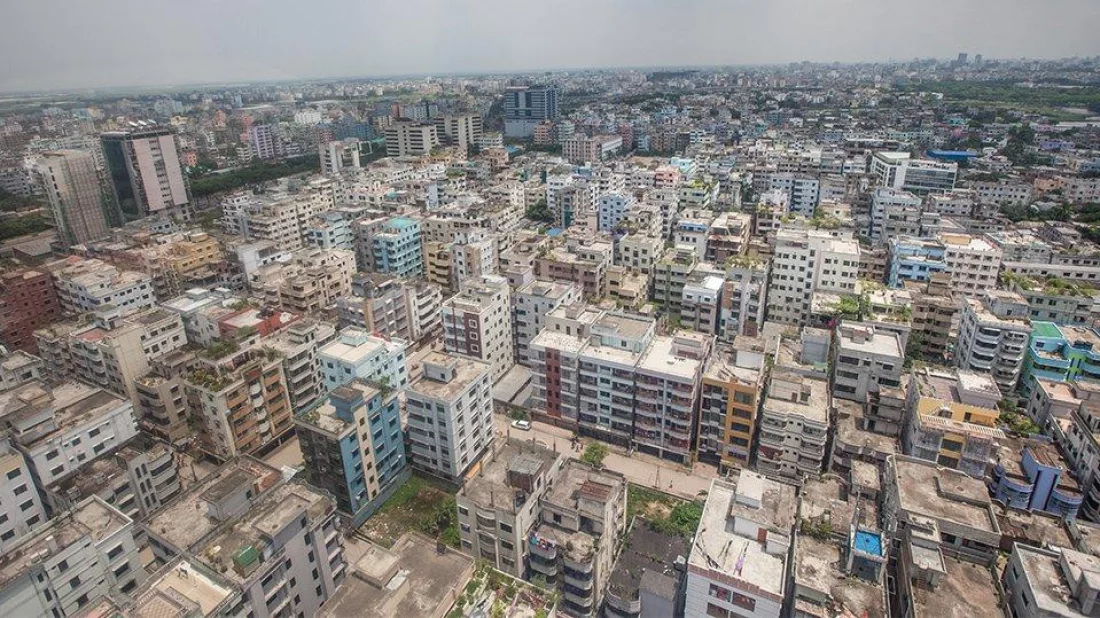
Dhaka’s skyline – a city of contrasts where tradition meets rapid modernization
Dhaka, the capital and largest city of Bangladesh, stands as one of the world’s most dynamic yet challenging megacities. Home to over 21 million people in its metropolitan area, Dhaka ranks among the most densely populated cities on Earth, with approximately 46,000 people crammed into every square kilometer. This creates an urban intensity unlike anywhere else—a sensory assault of colors, sounds, smells, and humanity that simultaneously overwhelms and fascinates visitors.
The city’s official motto, “City of Mosques,” only hints at its complex identity. Yes, hundreds of mosques punctuate the skyline, their calls to prayer echoing across neighborhoods five times daily. But Dhaka is also the city of rickshaws—an estimated 400,000 to 600,000 cycle rickshaws navigate the perpetually congested streets, creating a mobile art gallery of hand-painted decorations. It’s the city of contrasts, where Mughal-era buildings stand beside glass-and-steel corporate towers, where street vendors sell fresh mangoes beside luxury shopping malls, where extreme poverty exists blocks away from ostentatious wealth.
Founded in 1608 as the Mughal capital of Bengal, Dhaka has evolved through centuries of colonial rule, partition, war, and rapid development to become the economic engine driving Bangladesh’s remarkable growth. The city generates approximately 40% of the national GDP despite occupying less than 1% of the country’s land area. It’s the center of Bangladesh’s garment industry—the sector that has transformed the national economy—with countless factories operating in and around the metropolitan area.
Yet Dhaka defies simple categorization. It’s simultaneously ancient and modern, chaotic and somehow functional, challenging and rewarding. The traffic congestion ranks among the world’s worst—a commute that should take 20 minutes often stretches to two hours. Air and noise pollution create serious health concerns. Infrastructure struggles to keep pace with population growth. Power outages disrupt daily life. Water and sanitation systems are overtaxed.
🏙️ Dhaka Quick Facts
- Official Name: Dhaka (ঢাকা)
- Metro Population: ~21 million (2024)
- City Population: ~10 million
- Area: 306.4 km² (city), 2,161 km² (metro)
- Population Density: ~46,000 per km² (world’s highest)
- Founded: 1608 (Mughal capital)
- Elevation: 4 meters above sea level
- Major Rivers: Buriganga, Turag, Balu, Shitalakshya
- Climate: Tropical monsoon
- Time Zone: BST (UTC+6)
- Calling Code: +880-2
- Demonym: Dhakaiya
Despite these challenges, Dhaka possesses undeniable energy and charm. The city’s residents—Dhakaiyas—display remarkable resilience, humor, and warmth. They’ve learned to navigate the chaos, find shortcuts through gridlock, and maintain social connections despite urban anonymity. Street food vendors serve incredible flavors at tiny prices. Markets burst with colorful textiles, fresh produce, and handmade crafts. Cultural institutions preserve literary and artistic traditions while contemporary artists push boundaries.
For visitors, Dhaka offers authentic experiences increasingly rare in globalized Asia. Mass tourism hasn’t sanitized the city or created tourist bubbles. What you see is real urban Bangladesh—challenging, fascinating, occasionally frustrating, but never boring. Old Dhaka’s labyrinthine streets reveal Mughal architectural treasures, vibrant markets, and traditional crafts. Sadarghat River Port presents organized chaos as thousands board ferries daily. Museums document the Liberation War and preserve archaeological finds. Upscale neighborhoods showcase Bangladesh’s emerging prosperity with restaurants, cafes, and shopping centers that wouldn’t look out of place in Singapore or Mumbai.
Understanding Dhaka requires patience, openness, and willingness to look beyond surface chaos to the deeper patterns beneath. The city rewards curiosity and punishes rigid expectations. It’s a place where a rickshaw ride can reveal centuries of history, where a simple meal opens conversations spanning politics to poetry, where the density of humanity creates both challenges and unexpected connections.
This comprehensive guide explores every facet of Dhaka—from its Mughal heritage to modern development challenges, from hidden cultural treasures to practical navigation strategies. Whether you’re visiting for business, tourism, or academic research, or simply curious about this often-misunderstood megacity, you’ll find detailed, nuanced information that goes beyond guidebook clichés to capture Dhaka’s complex reality.
Dhaka isn’t for everyone. It tests patience and comfort zones. But for those willing to embrace its intensity, the city offers experiences and insights found nowhere else. This is urban Asia in its rawest, most authentic form—a megacity where ancient traditions collide with rapid modernization, where extreme challenges coexist with remarkable human ingenuity, and where understanding requires moving past first impressions to the fascinating complexity beneath.
Explore Dhaka with Expert Guides
Navigate this incredible megacity with professional local guides who know every hidden corner
Find Your Dhaka Guide →History & Heritage: From Mughal Glory to Modern Megacity
Ancient and Medieval Origins
Though Dhaka was officially founded in 1608, the site has been inhabited for over a millennium. Archaeological evidence suggests settlements existed here in the 1st century CE. The area’s strategic location—where several rivers converge near the Ganges-Brahmaputra delta—attracted traders and settlers throughout history. Various Hindu and Buddhist kingdoms controlled the region during medieval times, though it remained relatively minor compared to Bengal’s ancient capitals like Gaur and Pandua.
The city’s name likely derives from “Dhakeshwari,” the patron goddess whose temple still operates in Dhaka, or possibly from the dhak tree once common in the area. Under the Buddhist Pala and Sena dynasties (8th-12th centuries), the region was known for trade and agricultural productivity but hadn’t emerged as a major urban center.
Mughal Capital and Golden Age
Dhaka’s transformation began in 1608 when Mughal Subahdar Islam Khan established it as Bengal’s provincial capital, naming it Jahangirnagar after Emperor Jahangir. This decision elevated Dhaka from relative obscurity to one of South Asia’s most important cities. The Mughals recognized advantages that would shape Dhaka’s future: accessible river transportation, fertile hinterlands, and strategic position for controlling eastern Bengal.
The Mughal period (1608-1717) represents Dhaka’s golden age. The city flourished as a commercial and cultural hub. Its fame spread across Asia and Europe primarily through one product: Dhaka muslin. These ultra-fine cotton textiles, called “woven air” and “running water” for their delicate transparency, became legendary throughout the world. Roman texts mentioned Bengal muslins. Mughal emperors prized them. European traders paid fortunes to ship them to Paris and London.
Mughal Dhaka attracted artisans, merchants, scholars, and adventurers from across Asia. The population swelled to an estimated 400,000-1,000,000, making it among the world’s largest cities in the 17th century. Magnificent architecture rose throughout the city—mosques, forts, palaces, and gardens showcasing Indo-Islamic design at its finest. Lalbagh Fort, Ahsan Manzil, and countless mosques date from this period.
However, Mughal power declined after 1717 when the provincial capital moved to Murshidabad. Dhaka’s importance diminished, population declined, and many buildings fell into disrepair. The city entered a period of reduced significance that would last over a century.
British Colonial Period
British rule transformed Dhaka again, though differently than the Mughal era. The British initially showed little interest in Dhaka, preferring Calcutta (now Kolkata) as their Bengal headquarters. The city’s population dropped to perhaps 50,000 by the early 19th century. The famous muslin industry collapsed as British policies favored Manchester textiles over Bengali production—a deliberate economic strategy that devastated traditional manufacturers.
The 1905 partition of Bengal temporarily revived Dhaka’s fortunes by making it capital of the new province of Eastern Bengal and Assam. This sparked massive infrastructure development—government buildings, colleges, hospitals, and modern facilities. Dhaka University was founded in 1921, establishing the city as an educational center. However, the partition was annulled in 1911, and Dhaka again lost political importance.
The British period introduced Western education, administrative systems, and infrastructure including railways, telegraph, and modern roads. It also created a new educated middle class that would later drive independence movements. The architecture of colonial Dhaka—Victorian buildings, courts, and churches—still marks parts of the city, creating layers of historical styles.
Pakistan Period and Language Movement
When British India was partitioned in 1947, Dhaka became capital of East Pakistan despite being 1,600 kilometers from West Pakistan’s capital, Karachi. This period proved crucial in shaping modern Dhaka and Bangladesh’s national identity. The city became the center of resistance to West Pakistani political and economic dominance.
The 1952 Language Movement began in Dhaka when students protested against imposing Urdu as Pakistan’s sole national language despite Bengali being spoken by the majority. On February 21, 1952, police fired on protesters near Dhaka Medical College, killing several students. This created Bangladesh’s first independence martyrs and established Bengali linguistic nationalism as central to identity. The Shaheed Minar (Martyrs’ Monument) in Dhaka commemorates these events, and February 21 is now UNESCO’s International Mother Language Day.
Throughout the Pakistan period (1947-1971), Dhaka grew rapidly as rural migrants sought opportunities. However, West Pakistan’s government systematically discriminated against East Pakistan economically and politically, fueling resentment that would eventually lead to independence.
Liberation War and Independence
Dhaka played the central role in Bangladesh’s Liberation War. On March 7, 1971, Sheikh Mujibur Rahman delivered his historic speech at Ramna Race Course (now Suhrawardy Udyan) calling for independence. On March 25, 1971, the Pakistani military launched Operation Searchlight—a brutal crackdown targeting Bengali intellectuals, students, and political activists in Dhaka. Thousands were killed in a single night, sparking the nine-month Liberation War.
The city suffered greatly during the war. On December 14, 1971, just before Pakistan’s surrender, collaborating militias systematically murdered hundreds of intellectuals—professors, writers, doctors, and artists—at killing fields now memorialized throughout Dhaka. The Martyred Intellectuals Memorial at Rayerbazar marks one such site.
On December 16, 1971, Pakistan surrendered, and Dhaka became the capital of independent Bangladesh. The city was devastated—infrastructure destroyed, economy shattered, and population traumatized. Yet it began rebuilding immediately, transforming into the modern megacity we see today.
Post-Independence Development
Since 1971, Dhaka has experienced explosive growth. The population has increased from approximately 1.5 million to over 21 million in the metropolitan area—more than 10-fold growth in just five decades. This unprecedented expansion created both opportunities and challenges that define contemporary Dhaka.
The city became Bangladesh’s economic engine, particularly after the ready-made garment industry emerged in the 1980s. Countless factories operate in and around Dhaka, producing clothes for global brands. The garment boom created millions of jobs, attracted rural migrants, and drove rapid urbanization that has transformed Dhaka’s landscape and society.
Modern Dhaka struggles with the consequences of unplanned growth—traffic congestion, air pollution, inadequate infrastructure, and environmental degradation. Yet it also showcases Bangladesh’s remarkable progress—rising living standards, expanding middle class, vibrant cultural scene, and emerging role as a regional economic player. Understanding contemporary Dhaka requires appreciating both its challenges and its dynamism.
Geography & Climate: The Low-Lying River City
Geographic Setting
Dhaka sits in the heart of the Ganges-Brahmaputra Delta at an average elevation of just 4 meters above sea level, making it one of the world’s lowest-lying major cities. This position creates both opportunities and vulnerabilities that have shaped the city throughout history. Four rivers encircle Dhaka—the Buriganga to the south, Turag to the west, Tongi Khal to the north, and Balu to the east—though urban expansion has significantly polluted and encroached upon these waterways.
The city’s extremely flat terrain, combined with its deltaic location, makes flooding a constant concern. During monsoon season (June-October), heavy rains often overwhelm drainage systems, inundating streets and disrupting daily life. The surrounding floodplains and wetlands that historically absorbed excess water have been largely filled in for development, exacerbating flooding problems.
Dhaka’s position approximately 400 kilometers from the Bay of Bengal provides some protection from cyclones that devastate coastal areas, though the city still experiences heavy rains and winds during major storms. The river network historically made Dhaka a crucial inland port, though modern pollution and silting have reduced river transportation’s economic importance.
Climate Patterns
Dhaka experiences a tropical monsoon climate characterized by distinct wet and dry seasons, high temperatures, and elevated humidity. Understanding these patterns helps visitors plan comfortable trips and residents manage daily life.
Winter (November-February): The most pleasant season features cool, dry weather with temperatures ranging from 12-25°C (54-77°F). Mornings can be foggy, and occasional cold spells bring temperatures near 10°C (50°F). This period sees minimal rainfall and low humidity, making it ideal for outdoor activities and tourism. Dhaka’s streets are somewhat more manageable as reduced rain means less flooding.
Summer/Pre-Monsoon (March-May): Temperatures soar to 30-40°C (86-104°F) with crushing humidity often exceeding 80%. The combination creates oppressive heat that tests human endurance. Air conditioning becomes essential rather than optional. Occasional thunderstorms called “nor’westers” (kalbaishakhi) bring brief relief with violent winds, lightning, and heavy rain. This is Dhaka at its most uncomfortable—many residents who can afford it leave the city for cooler regions.
Monsoon (June-October): Heavy rains drench the city, with July and August being particularly wet. Average monthly rainfall exceeds 300mm during peak monsoon. Streets flood regularly, turning commutes into water-wading exercises. The Buriganga and other rivers swell, sometimes threatening low-lying areas. Humidity remains high, though temperatures moderate slightly (25-35°C/77-95°F). Life continues despite the rain—Dhakaiyas have adapted with raincoats, umbrellas, and water-resistant footwear.
Environmental Challenges
Dhaka faces severe environmental challenges that affect quality of life and pose long-term sustainability concerns. Air pollution consistently ranks among the world’s worst, with particulate matter levels far exceeding WHO guidelines. Sources include vehicle emissions, industrial pollution, brick kilns operating on the outskirts, and construction dust. During winter, temperature inversions trap pollution near ground level, creating hazardous conditions.
Water pollution affects all rivers surrounding Dhaka. Industrial effluents, sewage, and solid waste have turned the once-pristine Buriganga into an ecological disaster. The river is effectively dead—dissolved oxygen levels near zero mean fish cannot survive. Tanneries, textile factories, and chemical plants dump untreated waste directly into waterways. Despite cleanup efforts, the scale of pollution overwhelms remediation attempts.
Noise pollution creates another health concern. Traffic, construction, markets, and dense human activity generate constant noise that exceeds safe levels throughout most of the city. Sound insulation in buildings is rare, and regulations go largely unenforced.
Climate change compounds these challenges. Rising temperatures increase heat stress during summer. Changing rainfall patterns create more intense flooding events. Sea level rise threatens Dhaka indirectly by potentially displacing millions of coastal residents who would likely migrate to the city. Adapting to these climate realities while managing existing environmental problems represents one of Dhaka’s greatest challenges.
Discover Old Dhaka’s Hidden Treasures
Explore 400 years of history with guides who bring Mughal heritage and local stories to life
Book Old Dhaka Tour →Major Neighborhoods: Exploring Dhaka’s Diverse Districts
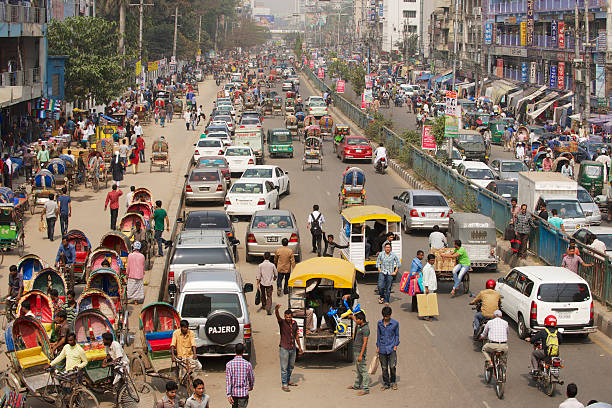
Typical Dhaka street scene – a constant flow of rickshaws, cars, and pedestrians
Old Dhaka – The Historic Heart
Old Dhaka (Puran Dhaka) represents the city’s Mughal and colonial heritage, squeezed into labyrinthine streets south of Sadarghat. This is Dhaka at its most authentic and challenging—narrow lanes barely accommodate rickshaws, buildings lean against each other, street vendors overflow sidewalks, and humanity presses in from all sides. Yet this chaos conceals extraordinary treasures.
Lalbagh Fort, an incomplete 17th-century Mughal fortress, showcases Indo-Islamic architecture with its mosque, tomb, and audience hall. Ahsan Manzil, the Pink Palace, served as the nawab’s residence and now houses a museum documenting Dhaka’s aristocratic past. Star Mosque dazzles with intricate star-pattern mosaics covering its walls and domes. Armenian Church reminds visitors of Dhaka’s once-thriving Armenian merchant community.
Sadarghat River Port presents organized chaos as hundreds of boats transport thousands of passengers daily up and down the Buriganga River. Watching the sunrise over the river from Sadarghat, with boats silhouetted against the sky and the call to prayer echoing across the water, ranks among Dhaka’s most memorable experiences.
Traditional industries survive in Old Dhaka’s specialized quarters. Shankhari Bazar produces Hindu religious items. Islampur specializes in wholesale textiles. Nawabpur Road houses spice markets. Tanti Bazar weaves traditional fabrics. These commercial areas maintain crafts and trading patterns centuries old.
Navigating Old Dhaka requires patience and preferably a guide. Streets form an impenetrable maze for newcomers. Addresses make little sense. But the reward is authentic Dhaka—where traditional Muslim life continues largely as it has for generations, where architecture spans centuries, and where street food vendors serve incredible flavors at tiny prices.
Gulshan – Modern Dhaka’s Face
Gulshan represents modern Dhaka’s prosperity and aspirations. This upscale neighborhood features wide(r) streets, lakeside parks, embassies, and international hotels. Gulshan Lake provides open space rare in Dhaka, with walking paths attracting morning joggers and evening strollers. The neighborhood caters to expatriates, diplomats, and wealthy Bangladeshis with its restaurants, cafes, and shops.
Gulshan Avenue and Road 11 concentrate dining options spanning global cuisines—Italian, Japanese, Thai, Chinese, Indian, and continental alongside Bangladeshi restaurants. Cafes serve quality espresso and pastries. Bars (rare in conservative Dhaka) operate in international hotels. Shopping ranges from boutiques selling designer clothes to art galleries showcasing contemporary Bangladeshi artists.
The neighborhood’s security is visibly tighter than elsewhere following a 2016 terrorist attack at Holey Artisan Bakery. Police checkpoints, armed guards, and security barriers mark Gulshan’s boundaries. This security apparatus both protects residents and creates psychological distance from the rest of Dhaka.
Banani – Corporate and Residential Hub
Adjacent to Gulshan, Banani serves as both a residential neighborhood and corporate district. Modern office towers house multinational companies, banks, and tech startups. Residential areas feature apartment buildings housing middle and upper-class families. Like Gulshan, Banani caters to relatively affluent Dhakaiyas with its restaurants, shops, and services.
Banani Lake mirrors Gulshan Lake’s recreational function. The neighborhood also houses several hospitals, schools, and shopping centers. Property values rank among Dhaka’s highest, making Banani aspirational for upwardly mobile Bangladeshis.
Dhanmondi – Historic Residential Area
Dhanmondi developed as a planned residential area in the 1960s and remains one of Dhaka’s more pleasant neighborhoods. Tree-lined streets (a rarity in Dhaka) and lakes provide some relief from urban density. The area houses Dhaka University’s western campus and numerous educational institutions.
Dhanmondi Lake offers recreational space, though pollution diminishes its appeal. Road 32 (Satmasjid Road) concentrates restaurants, cafes, and small shops. The neighborhood maintains a somewhat quieter character than commercial districts while remaining conveniently located.
House 32 on Road 32 preserves Sheikh Mujibur Rahman’s residence where he and most of his family were assassinated in 1975. Now the Bangabandhu Memorial Museum, it documents the founding father’s life and Bangladesh’s independence struggle.
Uttara – Northern Expansion
Uttara, in Dhaka’s far north, represents a planned development attempting to manage growth through organized layout. Wide streets (by Dhaka standards), designated commercial areas, and residential sectors create more order than older parts of the city. The neighborhood attracts middle-class families seeking modern housing at relatively affordable prices.
Hazrat Shahjalal International Airport sits in Uttara, making it convenient for frequent travelers. The area houses shopping centers, schools, and hospitals serving its growing population. However, Uttara suffers from the same traffic congestion plaguing all Dhaka, and commuting to southern employment centers can take hours.
Mirpur – Working Class Hub
Mirpur houses a large working and lower-middle class population, many employed in garment factories or service sector jobs. The area developed rapidly and somewhat haphazardly, creating dense, often poorly planned neighborhoods. However, Mirpur possesses vibrant street life, markets, and authentic local character.
Mirpur-10 features the city’s most famous betel leaf (paan) market. The area also houses garment factories, shops, and restaurants serving workers and residents. Sher-e-Bangla National Cricket Stadium in Mirpur hosts international cricket matches, drawing huge crowds.
Old Dhaka
Character: Historic, traditional, crowded
Highlights: Mughal architecture, street food, authentic culture
Best For: History buffs, cultural explorers, photographers
Gulshan
Character: Upscale, modern, international
Highlights: Restaurants, cafes, shopping, embassies
Best For: Dining, expatriate services, business visitors
Dhanmondi
Character: Residential, educated, relatively green
Highlights: Universities, lakes, museums, restaurants
Best For: Peaceful living, educational institutions
Top Attractions: Must-See Sites in Dhaka
Historical and Cultural Sites
Lalbagh Fort: This unfinished 17th-century Mughal fortress remains Dhaka’s most impressive historical monument. Built by Prince Muhammad Azam (son of Emperor Aurangzeb) between 1678-1684, it showcases classic Mughal architecture including a mosque, the tomb of Pari Bibi (the prince’s wife), and Diwan-i-Aam (audience hall). Beautiful gardens surround the structures, providing rare green space. The fort feels like stepping back three centuries, with its red sandstone and white marble construction evoking Mughal grandeur.
Ahsan Manzil (Pink Palace): This stunning Indo-Saracenic palace served as the residence of the Dhaka Nawab family from 1872 until 1952. The distinctive pink color gives it the nickname “Pink Palace.” Now a museum, it displays artifacts, photographs, and documents chronicling Dhaka’s aristocratic past and the nawabs’ role in regional politics and culture. The interior features period furniture, chandeliers, and decorative elements showcasing 19th-century wealthy Bengali lifestyle.
National Museum: Bangladesh’s largest museum houses over 100,000 artifacts spanning prehistory to independence. Collections include archaeological finds from ancient Bengal, coins, sculptures, paintings, decorative arts, and extensive Liberation War documentation. The natural history section displays regional flora and fauna. Allow several hours to explore the four-story building properly—it provides crucial context for understanding Bangladesh’s history and culture.
Liberation War Museum: This poignant museum documents Bangladesh’s 1971 independence struggle through photographs, weapons, documents, and personal accounts. Exhibits chronicle the Pakistan period’s discrimination, the 1952 Language Movement, the 1970 cyclone and inadequate response, 1971’s military crackdown, guerrilla warfare, and eventual victory. The museum serves as a memorial to the 3 million estimated killed and honors the freedom fighters’ sacrifices.
Dhakeshwari Temple: Dhaka’s most important Hindu temple dates to the 12th century, though the current structure is much newer following repeated destruction and rebuilding. The temple hosts major Hindu festivals including Durga Puja, when thousands gather for ceremonies and celebrations. It represents Dhaka’s religious diversity and Hindu community’s continuing presence despite being a minority.
Religious Architecture
Star Mosque (Tara Masjid): This small mosque in Old Dhaka dazzles with its star-pattern mosaic decoration covering walls, domes, and floors. Japanese and English porcelain tiles create intricate geometric patterns. Built in the early 19th century and expanded later, it exemplifies the decorative approach to religious architecture that makes Dhaka the “City of Mosques.”
Baitul Mukarram Mosque: Bangladesh’s national mosque stands as a modernist interpretation of Islamic architecture. Completed in 1968, it can accommodate 30,000 worshippers. The design consciously breaks from traditional dome-and-minaret forms, instead featuring clean lines and geometric shapes. Located in the city center, it serves as both a functional prayer space and symbolic representation of Bangladeshi Islam’s modern character.
Armenian Church: This 18th-century church represents Dhaka’s once-thriving Armenian community, which has since dwindled to nothing. The building’s neoclassical design contrasts with surrounding structures. The cemetery contains graves dating to the 1700s. Though rarely used now, the church stands as testament to Dhaka’s cosmopolitan past when Armenian merchants traded in muslin and other goods.
Contemporary Attractions
Hatirjheel: This recently developed lakefront area provides much-needed public space in congested Dhaka. Walkways, bridges, and seating areas attract crowds during cooler evenings. Fountains and lights create pleasant ambiance after dark. While primarily serving local recreation needs, Hatirjheel shows Dhaka’s attempts to create livable public spaces amid urban density.
Botanical Garden: Located in Mirpur, this 84-hectare garden offers escape from urban intensity. Thousands of plant species including many rare varieties grow in organized sections. Lakes, paths, and benches provide places to relax. While maintenance sometimes lapses, the garden remains a valuable green refuge in a predominantly concrete city.
Food & Dining: Dhaka’s Incredible Culinary Scene

Traditional Bengali thali – a feast of rice, fish curry, vegetables, and dal
Street Food Paradise
Dhaka’s street food scene ranks among Asia’s best, offering incredible flavors at prices that seem impossible. Street vendors operate throughout the city, particularly concentrated in areas like Puran Dhaka, New Market, and outside educational institutions where student crowds demand cheap, tasty food.
Fuchka (Pani Puri): Perhaps Dhaka’s most addictive street snack—crispy hollow shells filled with spiced potatoes, chickpeas, and tamarind water. Vendors prepare them fresh, cracking shells and stuffing them to order. The combination of crunchy shell, spicy filling, and tangy tamarind water creates flavor explosions. Quality varies dramatically by vendor—observe where locals queue and join them.
Chotpoti: A Bangladeshi invention featuring boiled chickpeas and potatoes in a spicy-sweet tamarind sauce, topped with chopped onions, chilies, and sometimes boiled eggs. Served in small clay cups or bowls, chotpoti satisfies afternoon hunger perfectly. The flavor balance—spicy, sweet, tangy—exemplifies Bengali cuisine’s complexity.
Jhalmuri: Puffed rice mixed with mustard oil, chopped onions, chilies, peanuts, chanachur (crunchy mix), and sometimes raw mango. Vendors prepare it fresh in newspaper cones. This light, crunchy snack costs almost nothing yet provides surprising satisfaction. Its simplicity belies the skill required to achieve perfect flavor balance.
Singara and Samosa: Triangular pastries stuffed with spiced potatoes (singara) or meat (samosa), deep-fried until crispy. Morning tea stalls and street vendors sell these ubiquitous snacks piping hot. Pair with cha (sweet milk tea) for a classic Bangladeshi breakfast or afternoon snack.
Traditional Restaurants
Dhaka’s traditional restaurants specialize in authentic Bengali cuisine, particularly the kacchi biriyani and traditional fish dishes that define Dhaka’s culinary heritage.
Haji Biriyani: This legendary Old Dhaka restaurant has served kacchi biriyani since 1939. The biriyani—fragrant rice layered with marinated meat, slow-cooked in a sealed pot—achieves flavor depths that make it worth the challenging journey to Old Dhaka. The restaurant’s bare-bones ambiance (plastic chairs, fluorescent lights, no-frills service) contrasts with the sophisticated biriyani flavors.
Star Kabab: Another Puran Dhaka institution specializing in grilled meats. Kababs arrive sizzling, accompanied by paratha bread, salad, and hot sauce. The smoky flavor from charcoal grilling and perfectly spiced meat make this a carnivore’s paradise.
Kasturi: Multiple locations serve traditional Bengali home-style cooking in slightly more upscale settings than street vendors. The menu features daily specials based on fresh ingredients—various fish curries, vegetable dishes, dal, and rice. Thalis (complete meals on a single platter) provide sampling opportunities across multiple dishes.
Modern Dining
Gulshan and Banani concentrate Dhaka’s modern restaurant scene, offering everything from molecular gastronomy to authentic international cuisines.
Pan Pacific Sonargaon Hotel: Multiple restaurants including Café Bazar (international buffet), Jharna Grill (Bengali and Mughlai), and Chinese options. The hotel represents Dhaka’s upscale dining scene with quality food, professional service, and air-conditioned comfort—luxuries not to underestimate in Dhaka’s heat.
Gunpowder: Contemporary Bengali cuisine with modern presentation. The menu reinterprets traditional dishes with creative techniques while respecting authentic flavors. This represents Bangladesh’s emerging fine dining scene where chefs trained abroad return to elevate local cuisine.
International Options: Gulshan offers Thai, Italian, Japanese, Korean, Mexican, and other international cuisines of varying authenticity. While rarely matching home-country quality, these restaurants serve expatriates craving familiar flavors and Bangladeshis exploring global cuisines.
Dhaka Tea Culture
Cha (tea) dominates Dhaka’s social life. Roadside stalls serve strong, sweet, milky tea for pennies. People gather at tea stalls for conversations spanning politics to cricket. Seven-layer tea, prepared in Sylhet-style tea stalls by carefully layering different colored tea preparations, has become a tourist attraction. Coffee culture is emerging—cafes serving espresso and specialty drinks attract young, urban Bangladeshis—but tea remains king.
Street Food
Incredibly cheap and delicious but requires careful vendor selection for food safety
Bengali Cuisine
Rich, complex flavors emphasizing fish, rice, and subtle spicing – a true food lover’s paradise
Tea Culture
Cha (tea) stalls everywhere serve social gathering spots and incredible sweet milk tea
International Dining
Growing scene in Gulshan/Banani offers Thai, Italian, Japanese though authenticity varies
Experience Authentic Dhaka Food Tours
Taste the real Dhaka with guided food tours to hidden gems and legendary restaurants
Book Food Tour →Shopping Districts: From Traditional Markets to Modern Malls
New Market – Dhaka’s Shopping Institution
Since 1954, New Market has served as Dhaka’s premier shopping destination for locals and visitors alike. This massive marketplace houses thousands of shops selling everything imaginable—clothing, electronics, cosmetics, household goods, books, and handicrafts. The multi-story complex sprawls across a large area, creating a maze of corridors, stairways, and alleys.
Navigating New Market requires patience and bargaining skills. Shops rarely display prices—negotiation is expected. Start at 50% of the initial quote and work toward a fair price through friendly haggling. The atmosphere is intense—crowded, noisy, and overwhelming for newcomers. However, prices are generally lower than modern malls, and the selection is unmatched. Particularly good for textiles, traditional clothing, and bargain electronics.
Bashundhara City – South Asia’s Largest Mall
This massive shopping complex claims to be South Asia’s largest mall with over 2,500 shops spread across multiple floors. Bashundhara City offers a very different experience from traditional markets—air-conditioned comfort, fixed prices, organized layout, and modern retail environment. The mall houses international brands, local retailers, a food court, cinema, and entertainment zone.
For visitors overwhelmed by traditional markets’ chaos, Bashundhara provides familiar mall shopping. Prices are higher and negotiation impossible, but convenience and comfort compensate. The food court offers various cuisines in clean surroundings. The mall stays open late and attracts middle-class families browsing, shopping, and socializing.
Specialized Markets
Chandni Chowk: This traditional market in Old Dhaka specializes in textiles, particularly wedding saris and formal wear. Shops display gorgeous silk saris, embroidered fabrics, and jewelry. The market comes alive during wedding season when families shop for wedding outfits and gifts.
Islampur: Wholesale fabric market offering incredibly low prices for bulk purchases. While technically wholesale, many shops sell smaller quantities to retail customers. Quality ranges from basic cotton to luxurious silk. Bring bargaining skills and patience—the market is crowded and chaotic.
Elephant Road: Electronics and computer market where numerous shops sell laptops, smartphones, components, and accessories. Prices are competitive but buyer beware—counterfeit products exist. Reputable shops provide warranties and genuine products, but research before major purchases.
Handicrafts and Souvenirs
Aarong: This chain operated by BRAC (Bangladesh’s largest NGO) sells high-quality handicrafts, textiles, and clothing made by rural artisans. Products include nakshi kantha embroidery, jamdani saris, brass work, ceramics, and jewelry. Prices are fixed and higher than markets but quality is assured and purchases support rural artisans. Multiple locations including Gulshan make it convenient.
Jatra: Another social enterprise selling handicrafts and eco-friendly products. The store focuses on sustainable, traditional crafts while providing fair wages to artisans. Good for authentic souvenirs with social impact.
Getting Around: Navigating Dhaka’s Transport Chaos
The Traffic Reality
Dhaka’s traffic congestion ranks among the world’s worst. A journey that should take 20 minutes often stretches to 2 hours. Traffic jams occur throughout the day, though mornings (8-11 AM) and evenings (5-9 PM) are particularly brutal. Roads designed for far fewer vehicles carry overwhelming loads. Limited public transport infrastructure forces most commuters onto roads in private vehicles, buses, or rickshaws, creating gridlock.
Planning is essential. Allow double or triple estimated travel time for important appointments. Consider traffic patterns when scheduling activities. Early mornings (before 8 AM) and late nights offer the only relatively clear roads. Patience becomes a survival skill—frustration accomplishes nothing in Dhaka traffic.
Rickshaws – Dhaka’s Defining Transport
An estimated 400,000-600,000 cycle rickshaws operate in Dhaka, creating the city’s most iconic sight. These human-powered three-wheelers navigate through traffic, carry passengers and cargo, and provide livelihoods for hundreds of thousands of rickshaw pullers. The vehicles feature elaborate hand-painted decorations—film stars, landscapes, geometric patterns, tigers, and flowers—making them mobile art galleries.
Rickshaws work well for short distances (under 3 kilometers) in congested areas where motor vehicles can’t navigate narrow lanes. Always agree on fare before departure—typical rides cost 30-100 Taka depending on distance. Expect to pay more during rain or rush hours. Some rickshaw pullers try to overcharge foreigners, so knowing approximate local rates helps. Despite slow speed, rickshaws often move faster than cars in gridlocked traffic.
Auto-Rickshaws (CNGs)
Three-wheeled auto-rickshaws locally called “CNGs” (Compressed Natural Gas) provide faster motorized transport. They’re more expensive than cycle rickshaws but cheaper than taxis. CNGs operate on meters theoretically, though drivers often refuse to use them, necessitating fare negotiation. Typical journeys cost 100-300 Taka depending on distance.
CNGs are ubiquitous and convenient for medium distances. However, they’re noisy, lack air conditioning, offer minimal safety features, and drivers sometimes engage in aggressive, dangerous driving. Ride-hailing apps like Uber and Pathao (local equivalent) now offer CNG services with fixed prices and GPS tracking, eliminating negotiation hassles.
Ride-Hailing Apps
Uber, Pathao, and Shohoz (local apps) have revolutionized Dhaka transport by providing reliable, metered service with GPS tracking. These apps work similarly to Uber globally—request rides through smartphone apps, see estimated fares upfront, pay electronically or cash, and rate drivers. Services include cars, bikes, and CNGs at various price points.
Ride-hailing offers significant advantages: no fare negotiation, driver accountability through ratings, GPS tracking for security, and generally safer, more professional drivers. Prices vary by demand but remain reasonable—a typical cross-city car ride costs 300-600 Taka. Bike services (motorbike taxis) are cheapest and fastest, weaving through traffic though less safe.
Buses – For the Brave
Dhaka’s bus system carries millions daily but challenges foreign visitors. Buses range from basic metal boxes to slightly more comfortable “sitting service” buses with reserved seats. Routes are confusing, stops informal, and overcrowding extreme during rush hours. Drivers operate aggressively, racing to pick up passengers before competitors. Sexual harassment on crowded buses is a serious problem, particularly for women.
However, buses cost almost nothing—journeys across the city cost 20-40 Taka. They’re environmentally friendlier than private vehicles. For adventurous travelers willing to research routes and brave crowds, buses provide authentic Dhaka experience and save money. Women-only buses on some routes provide safer options for female passengers.
Taxis and Private Cars
Traditional taxis are relatively rare in Dhaka compared to rickshaws and CNGs. Hotel taxis charge premium rates but offer comfort and safety. Hiring private cars with drivers for full days (8-10 hours) costs 3,000-5,000 Taka depending on vehicle and bargaining—convenient for intensive sightseeing or business purposes.
Rental cars without drivers are uncommon and not recommended for visitors. Dhaka traffic requires local knowledge, aggressive driving, and familiarity with informal road rules that visitors lack.
Culture & Arts: Dhaka’s Creative Soul
Literary Heritage
Dhaka maintains strong literary traditions rooted in Bengali culture. Ekushey Book Fair, held annually in February near Dhaka University, is the world’s largest Bengali book fair. Hundreds of publishers showcase new titles, authors sign books, and thousands gather daily. The fair celebrates Bengali language and literature, commemorating the Language Movement martyrs.
Dhaka University’s campus remains the intellectual and cultural heart of the city. Students and professors debate politics, literature, and philosophy at tea stalls. The university’s arts and sciences faculties produce writers, poets, and intellectuals who shape Bangladeshi culture. Several major publishers operate near the campus, maintaining Dhaka’s role as Bangladesh’s publishing center.
Visual Arts Scene
Contemporary Bangladeshi art has gained international recognition, with Dhaka as its center. The Bengal Foundation Gallery, Shilpakala Academy, and smaller commercial galleries showcase paintings, photography, sculpture, and installations by established and emerging artists. Works often engage with social issues, identity, politics, and development themes.
The Faculty of Fine Arts at Dhaka University, established in 1948, created the foundation for Bangladesh’s modern art movement. Artists trained there developed distinctive styles blending international modernism with Bengali cultural elements. Today’s artists continue evolving these traditions while experimenting with contemporary global art movements.
Music and Performance
Dhaka offers diverse musical traditions from classical ragas to contemporary rock. The Bangladesh Shilpakala Academy hosts regular performances of Tagore songs (Rabindra Sangeet), classical music, and traditional folk forms. Concert halls and cultural centers present professional performances, while cafes and restaurants feature live music ranging from acoustic covers to original rock.
Theater remains active despite limited venues and funding. Groups perform Bengali plays addressing social issues, political satire, and cultural themes. The National Theatre near Gulistan regularly stages productions, though Bengali language limits accessibility for non-speakers.
Film and Cinema
Bangladesh produces roughly 100 films annually, though quality varies dramatically. Most follow commercial formulas featuring romance, action, and melodrama. However, a small independent cinema movement creates artistically ambitious films gaining international festival recognition.
Dhaka’s cinemas screen both Bangladeshi and Bollywood films. Star Cineplex in Bashundhara City and other multiplexes offer modern facilities screening Hollywood releases alongside local productions. Film societies and cultural centers occasionally show classic and art films.
Festivals and Celebrations
Pohela Boishakh (Bengali New Year) on April 14 transforms Dhaka with massive celebrations. Ramna Park hosts Mangal Shobhajatra, a colorful procession featuring giant papier-mâché animals and figures symbolizing good conquering evil. People wear traditional clothes—women in white saris with red borders, men in panjabis. Cultural programs, concerts, and fairs occur throughout the city. Restaurants serve traditional Bengali foods, and streets fill with celebrants regardless of religious background.
Eid ul-Fitr and Eid ul-Adha essentially empty Dhaka as millions travel to ancestral villages. Those remaining enjoy unusually quiet streets. After Eid prayers, people visit family and friends, share meals, and exchange gifts. The festive atmosphere pervades neighborhoods with new clothes, special foods, and charitable giving.
Durga Puja showcases Hindu culture through elaborate temporary temples (pandals) featuring extraordinary artistic creativity. Though Hindus are a minority, the festival attracts visitors of all backgrounds who admire the artistry and enjoy the festive atmosphere. Major pandals in Dhaka become tourist attractions in their own right.
Economy & Business: Bangladesh’s Economic Engine
Economic Hub
Dhaka generates approximately 40% of Bangladesh’s GDP despite occupying less than 1% of the land area, making it the undisputed economic center. The city houses headquarters of major corporations, banks, financial institutions, and multinational companies. Nearly all significant business decisions affecting Bangladesh are made in Dhaka’s corporate offices.
The garment industry, Bangladesh’s largest export sector, concentrates in and around Dhaka. Countless factories produce clothing for international brands including H&M, Zara, Gap, and Walmart. The sector employs approximately 4 million workers nationwide, with a significant portion in the Dhaka area. While controversial for labor conditions and environmental impacts, the garment industry has driven Bangladesh’s economic transformation and urban employment growth.
Financial Sector
Motijheel serves as Dhaka’s financial district, housing the Bangladesh Bank (central bank), stock exchange, and major commercial banks. The area buzzes with business activity as professionals rush between meetings, negotiate deals, and manage the financial flows sustaining Bangladesh’s economy.
The Bangladesh Stock Exchange has grown dramatically, though it remains small compared to regional peers. Several major banks are publicly traded, alongside garment companies and other businesses. The financial sector has modernized rapidly with digital banking, mobile financial services, and improving regulatory frameworks.
Technology and Startups
Dhaka has emerged as South Asia’s fastest-growing startup ecosystem. Young entrepreneurs create technology companies addressing local challenges—ride-hailing apps (Pathao, Shohoz), food delivery (Foodpanda, HungryNaki), e-commerce platforms, and fintech services. Co-working spaces, incubators, and venture capital funds support this emerging ecosystem.
The software development sector exports services globally. Bangladeshi programmers and designers work for international clients at competitive rates. While the sector remains small compared to India’s IT industry, it’s growing rapidly and attracting investment.
Informal Economy
Behind Dhaka’s modern corporate façade, a massive informal economy employs millions in unregistered, unregulated work. Street vendors, rickshaw pullers, domestic workers, small shop owners, and countless others operate outside formal systems. This informal sector provides livelihoods but lacks legal protections, social security, and worker rights.
The informal and formal economies interconnect in complex ways. Informal workers supply formal businesses with goods and services. Many formal sector employees rely on informal services for transport, food, and daily needs. Understanding Dhaka’s economy requires recognizing both sectors’ roles and their interactions.
Living in Dhaka: Expat and Local Life
Housing and Accommodation
Dhaka’s housing market ranges from basic apartments to luxury compounds. Expatriates and wealthy Bangladeshis typically live in Gulshan, Banani, Dhanmondi, or Baridhara where relatively better infrastructure, security, and amenities exist. Modern apartments in these areas cost $500-2,000+ monthly depending on size, location, and quality.
Middle-class Bangladeshis live in smaller apartments in various neighborhoods, paying $200-500 monthly. Working-class families crowd into basic accommodations in dense neighborhoods like Mirpur, often sharing facilities among multiple families. The poorest residents inhabit slums (jhupri) lacking basic services, built informally on government or private land.
Finding quality housing challenges newcomers. Work with reputable agencies, inspect properties carefully, and understand what’s included (some apartments lack appliances or furnishings). Negotiate leases in advance—most landlords expect 2-3 months advance payment plus security deposits.
International Schools
Expatriate families typically send children to international schools following British, American, or International Baccalaureate curricula. Notable schools include American International School Dhaka, Dhaka International School, Scholastica, and International Turkish Hope School. Tuition ranges from $5,000-20,000 annually depending on school and grade level.
These schools offer familiar educational systems, English instruction, and international student bodies. However, spaces are limited and waiting lists exist for popular schools. Apply well in advance and prepare for entrance exams or interviews.
Healthcare
Healthcare quality varies dramatically in Dhaka. International-standard hospitals including Apollo, Square Hospital, and United Hospital provide excellent care with English-speaking doctors, modern equipment, and international accreditation. These facilities cater to wealthy Bangladeshis and expatriates, charging rates comparable to American hospitals without insurance.
Government hospitals offer free or low-cost care but suffer from overcrowding, limited resources, and variable quality. Middle-tier private clinics provide acceptable care at moderate prices. Medical tourism has emerged as wealthy Bangladeshis seek treatment abroad in Thailand, Singapore, or India for complex procedures.
Health insurance is essential for expatriates. International insurance plans provide access to private hospitals and emergency evacuation if needed. Verify coverage before arrival and understand which facilities accept your insurance.
Cost of Living
Dhaka’s cost of living depends entirely on lifestyle. Expatriates maintaining Western standards spend $2,000-4,000+ monthly including housing, food, transportation, entertainment, and schooling. Middle-class Bangladeshis live comfortably on $500-1,000 monthly. Working-class families survive on $200-400 monthly through careful budgeting and shared housing.
Specific costs: apartment rent ($200-2,000), restaurant meal ($3-30), groceries for a week ($30-100), domestic help ($50-150 monthly), utilities ($30-100), international school ($5,000-20,000 annually). Local products and services are extremely cheap, while imported goods and Western amenities cost premium prices.
Social Life and Community
Expatriates often connect through their embassies, international schools, and professional networks. Social clubs like the American Club and Gulshan Club provide facilities and events, though membership fees are substantial. International organizations, NGOs, and diplomatic communities host events and gatherings.
Making local Bangladeshi friends enriches the Dhaka experience immensely. Bangladeshis are generally welcoming and eager to share their culture. However, cultural differences in social norms, gender relations, and communication styles require sensitivity and patience to navigate successfully.
Essential Travel Tips for Visiting Dhaka
Best Time to Visit
November through February provides the most comfortable weather—cool temperatures (15-25°C), low humidity, and minimal rainfall. This period is ideal for sightseeing and outdoor exploration. However, this is also peak season for conferences and events, so book hotels in advance.
March through May brings extreme heat and humidity that many find unbearable. The pre-monsoon months see temperatures regularly exceeding 35°C with oppressive humidity. Only visit during this period if heat tolerance is high or business necessitates it.
June through October encompasses monsoon season with heavy rains, flooding, and high humidity. While challenging for tourism, this period offers lower hotel rates and fewer crowds. Dedicated travelers willing to handle rain and disruption can explore Dhaka during monsoon, experiencing a different side of the city.
Health and Safety
Consult a travel medicine specialist before visiting Dhaka. Recommended vaccinations typically include Hepatitis A and B, typhoid, tetanus, and routine immunizations. Malaria isn’t a concern in Dhaka itself but may be for surrounding areas. Dengue fever, transmitted by mosquitoes, peaks during and after monsoon—use mosquito repellent and avoid standing water.
Drink only bottled or boiled water. Avoid ice unless certain it’s made from purified water. Eat freshly cooked hot food. Be cautious with raw vegetables and fruits you can’t peel. Street food is generally safe at busy stalls with high turnover, but start slowly to let your digestive system adjust.
Dhaka is relatively safe regarding violent crime, but petty theft occurs. Keep valuables secure. Use hotel safes for passports and excess cash. Be cautious in crowds where pickpockets operate. Avoid political demonstrations. Traffic represents the greatest daily hazard—exercise extreme caution crossing streets.
Money and Banking
The Bangladeshi Taka (BDT) is the local currency, with exchange rates around 110-120 Taka per US Dollar. ATMs are widespread in Dhaka, accepting major international cards (Visa, Mastercard). Banks and authorized money changers exchange foreign currency—rates are better than hotels.
Credit cards work at upscale hotels, restaurants, and shops, but cash dominates transactions. Carry sufficient small bills as change can be scarce. Mobile banking (bKash, Nagad) is ubiquitous among Bangladeshis but requires local bank accounts unavailable to tourists.
Communication and Internet
Tourist SIM cards are available at the airport and mobile shops for $5-10 with data packages very affordable. Major operators include Grameenphone and Robi. You’ll need your passport to register. WiFi is available in most hotels, cafes, and restaurants, though speeds vary. 4G coverage is good throughout Dhaka.
WhatsApp and Facebook Messenger are extremely popular communication tools. Download offline maps and translation apps before arrival. VPN usage is sometimes restricted. Internet speeds in hotels and cafes generally suffice for work and communication.
Cultural Etiquette
Dress modestly—cover shoulders and knees, particularly women. Remove shoes when entering homes, mosques, and temples. Use your right hand for eating and greeting. Avoid public displays of affection. Ask permission before photographing people, especially women. Don’t eat, drink, or smoke publicly during Ramadan daylight hours.
Bangladeshis appreciate attempts to speak Bengali even if limited to basic greetings. “Assalamu Alaikum” (peace be upon you) serves as a universal greeting. Learn to say “thank you” (dhonnobad) and “please” (dorun kore). Small efforts at language go far in building rapport.
💡 Practical Tips
- Allow 2-3x estimated travel time for traffic congestion
- Hire guides for Old Dhaka—navigation is extremely difficult alone
- Download Uber/Pathao apps for reliable transportation
- Carry small bills—change is often unavailable
- Stay hydrated—heat and humidity are intense
- Be patient—things move slowly and unpredictably
- Negotiate rickshaw fares before departure
- Keep copies of passport and documents separately
- Learn basic Bengali phrases—greatly appreciated
- Respect prayer times—mosques broadcast calls 5x daily
Frequently Asked Questions About Dhaka
Yes, Dhaka is generally safe for tourists regarding violent crime. Foreign visitors rarely experience serious security incidents. However, take normal precautions: keep valuables secure, use hotel safes for passports and excess cash, be cautious in crowds where pickpockets operate, and avoid political demonstrations. The main dangers are traffic-related—roads are chaotic and crossing streets requires extreme caution. Petty theft occurs but violent crime against tourists is rare. Women should dress modestly and consider hiring guides for added security and cultural navigation. Overall, millions visit Dhaka safely by using common sense and respecting local customs.
Dhaka’s traffic ranks among the world’s worst. A journey that should take 20 minutes often stretches to 2 hours during peak times. Mornings (8-11 AM) and evenings (5-9 PM) are particularly brutal. The city wasn’t designed for current vehicle numbers, creating constant gridlock. However, Dhakaiyas have adapted—allow double or triple estimated travel time for appointments, plan around traffic patterns, and consider early mornings (before 8 AM) for important meetings. Ride-hailing apps help by providing estimated times. Rickshaws sometimes navigate traffic better than cars. While frustrating, the congestion is manageable with proper planning and patience. Consider it part of the authentic Dhaka experience rather than a problem to solve.
The best transportation depends on distance and budget. For short distances (under 3km), rickshaws work well and cost 30-100 Taka. For longer distances, use ride-hailing apps like Uber, Pathao, or Shohoz—they provide reliable service with fixed prices and GPS tracking. Car rides typically cost 100-300 Taka across the city. CNGs (auto-rickshaws) are cheaper alternatives but require fare negotiation. For adventurous travelers on tight budgets, buses cost 20-40 Taka but are crowded and confusing. Avoid traditional taxis as they’re rare and expensive. Download ride-hailing apps before arrival and keep small bills for rickshaws. Allow generous time for all journeys due to traffic. Walking is impractical beyond very short distances due to heat, pollution, and chaotic sidewalks.
Gulshan and Banani offer the most tourist-friendly accommodations with modern hotels, restaurants, and relative security. These upscale neighborhoods cater to expatriates and business travelers with international-standard facilities. Mid-range options exist throughout the city, but Gulshan/Banani provide easiest access to services tourists need. Budget travelers can find cheaper hotels in areas like Dhanmondi or near Dhaka University, though facilities are more basic. Avoid staying in Old Dhaka unless specifically seeking that experience—while culturally rich, it lacks tourist infrastructure and can be overwhelming. Book hotels in advance, especially during peak season (November-February) when conferences and events fill rooms. Read recent reviews carefully as quality varies dramatically. Expect to pay $30-80 for decent mid-range hotels, $100+ for international standards.
Yes, food can be safe with reasonable precautions. Eat at busy restaurants and street stalls with high turnover (ensuring freshness). Choose freshly cooked hot food over items sitting out. Drink only bottled water and avoid ice unless you know it’s made from purified water. Peel fruits yourself and avoid raw vegetables you can’t wash properly. Start with milder dishes to let your stomach adjust before trying spicy street food. Reputable restaurants in Gulshan/Banani maintain high standards. Street food is generally safe at popular vendors with long lines—observe where locals eat and follow their lead. Carry anti-diarrheal medication just in case. Most travelers experience no problems, though some digestive adjustment is normal. The incredible flavors make minor risks worthwhile for most visitors.
Most tourists find 2-3 days sufficient to see Dhaka’s main attractions. Day 1: Explore Old Dhaka including Lalbagh Fort, Ahsan Manzil, Star Mosque, and Sadarghat River Port. Day 2: Visit museums (National Museum, Liberation War Museum), Dhakeshwari Temple, and modern areas like Gulshan. Day 3 (optional): Hatirjheel, shopping at New Market or Bashundhara City, and additional museums or neighborhoods. However, Dhaka grows on you—spending 4-5 days allows deeper exploration, food experiences, and understanding the city’s rhythm. Business travelers might spend weeks and discover unexpected charms beneath the chaos. First-time visitors often want to escape quickly, but returning visitors appreciate Dhaka’s complexity. Consider Dhaka as a base for exploring Bangladesh rather than just a destination itself.
Dress modestly to respect local culture and avoid unwanted attention. Women should cover shoulders and knees—loose-fitting long pants, long skirts, or traditional salwar kameez paired with light long-sleeved tops work well. A scarf is useful for covering head/shoulders when visiting mosques. Men should avoid shorts except at hotel pools—long pants and collared shirts are appropriate. In Gulshan’s upscale areas, dress codes relax slightly, but modest dress is still expected. Choose lightweight, breathable natural fabrics for the heat. During monsoon, waterproof footwear helps navigate flooded streets. Remove shoes when entering homes, mosques, and temples (wear slip-ons for convenience). Dressing appropriately shows respect and makes interactions more comfortable for everyone.
Alcohol is heavily restricted in Dhaka. Public consumption is prohibited and Muslims cannot legally purchase alcohol. Non-Muslim foreigners can buy alcohol with permits from certain licensed hotels and bars—you’ll need to show your passport. Selection is limited and prices are high (beer $5-8, spirits $10-20+ per drink). Major international hotels like Pan Pacific Sonargaon, Westin, and Radisson have bars serving guests. Most restaurants don’t serve alcohol. Bringing alcohol through customs requires declaration with limited quantities allowed. Public drunkenness risks arrest. Many travelers simply abstain and discover excellent tea culture instead. If alcohol is important to your experience, stay at hotels with bars and plan accordingly, but don’t expect the drinking culture found in Thailand or other Asian destinations.
Yes, WiFi is widely available in Dhaka hotels, cafes, restaurants, and shopping malls, though speed and reliability vary. International hotels provide good WiFi suitable for work and communication. Cafes in Gulshan/Banani offer reliable connections. However, WiFi in budget hotels and local restaurants can be slow or unstable. Mobile data provides a more reliable option—tourist SIM cards cost $5-10 at the airport or mobile shops with generous data packages ($2-5 for several GB). 4G coverage is good throughout Dhaka. Major operators include Grameenphone and Robi. You’ll need your passport to register a SIM. Download offline maps, translation apps, and essential documents before arriving. For business travelers needing reliable connectivity, consider portable WiFi hotspots or high-end hotels with dedicated business services.
While not strictly necessary, hiring a guide significantly enhances the Dhaka experience, particularly for first-time visitors. Guides are essential for Old Dhaka—the labyrinthine streets are impossible to navigate alone, and cultural context transforms random sightseeing into meaningful understanding. Guides explain Mughal history, negotiate with rickshaw drivers, find authentic street food, and handle language barriers. They know hidden gems tourists miss independently. For 1-2 days of guided tours ($40-60/day for quality guides), you’ll see more, understand more, and save time. Modern areas like Gulshan are more manageable independently, though guides still add value. Business travelers benefit from guides who understand commercial culture. Consider hiring guides through reputable services rather than random touts. The investment pays off through richer experiences and avoiding frustration navigating Dhaka’s challenges alone.
Experience the Real Dhaka
Dhaka isn’t an easy city—it’s chaotic, congested, polluted, and overwhelming. But beneath the surface challenges lies a megacity of extraordinary energy, resilience, and human warmth. From the Mughal heritage of Old Dhaka to the modern aspirations of Gulshan, from street food vendors serving incredible flavors to contemporary artists pushing boundaries, Dhaka rewards those willing to embrace its intensity.
This is urban Asia in its rawest, most authentic form. It’s a city where 21 million people navigate daily challenges with humor and grace, where ancient traditions collide with rapid modernization, and where understanding requires moving past first impressions to appreciate the complex reality beneath.
Start planning your Dhaka adventure today with expert local guides who bring this incredible megacity to life.
Explore Dhaka Now →