Your Complete Guide to Bangladesh Travel Requirements 2026
Everything you need to know about visas, documents, health requirements, and entry procedures for hassle-free Bangladesh travel
Introduction: Navigating Bangladesh Entry Requirements
Proper documentation ensures smooth Bangladesh entry
Planning a trip to Bangladesh requires understanding the country’s entry requirements—a process that has evolved significantly in recent years to become more tourist-friendly while maintaining security standards. Whether you’re visiting for tourism, business, or other purposes, knowing what documents you need, which visa category applies to you, and what procedures await at the airport eliminates stress and potential delays that could derail your carefully planned journey.
Bangladesh has simplified visa procedures for tourists from many countries, introducing visa-on-arrival facilities at Dhaka and Chittagong airports for citizens of 168 countries. This represents a major shift from previous policies requiring all visitors to obtain visas from Bangladesh missions abroad. However, navigating the system still requires understanding various visa categories, eligibility criteria, required documentation, and entry procedures that differ significantly from neighboring countries like India or Thailand.
This comprehensive guide walks you through every aspect of Bangladesh travel requirements as of 2026. We’ll explore different visa types and which applies to your travel purpose, explain the visa-on-arrival process step-by-step, detail documents needed for different visa categories, cover health and vaccination requirements, outline customs regulations and currency rules, discuss special permits needed for restricted areas, and provide insider tips for smooth entry and exit. Whether you’re planning to explore Bangladesh’s incredible tourist destinations or conduct business in Dhaka, this guide ensures you’re properly prepared.
Understanding Bangladesh’s entry requirements prevents common mistakes that cause delays, additional costs, or even denied entry. Simple oversights—missing passport validity requirements, lacking proper invitation letters for business visas, not obtaining yellow fever certificates when coming from endemic countries, or failing to declare currency exceeding limits—create problems easily avoided with proper preparation. This guide addresses these pitfalls while providing context that helps you make informed decisions about your Bangladesh travel plans.
🎯 Quick Overview: What You’ll Need
- Valid passport with 6+ months validity
- Appropriate visa (or eligibility for visa-on-arrival)
- Proof of sufficient funds ($500+ recommended)
- Return/onward ticket confirmation
- Accommodation details (hotel bookings)
- Health requirements met (vaccinations if needed)
- Travel insurance (highly recommended)
- Special permits for restricted areas (if applicable)
The Bangladesh visa system balances accessibility with security. Tourist visas allow 30-90 days depending on nationality and are relatively straightforward to obtain either on arrival or through embassies abroad. Business visas require invitation letters from Bangladesh companies but offer longer validity and multiple entries. Other categories serve specific purposes including work, study, journalism, and diplomatic travel. Understanding which category fits your purpose ensures you apply for the correct visa type and provide appropriate documentation.
Recent improvements to Bangladesh’s visa system include online applications for pre-arrival visas, expanded visa-on-arrival eligibility, simplified documentation requirements for tourists, and clearer fee structures. However, regulations change periodically, and implementation can vary between ports of entry. This guide provides current information as of 2026 but emphasizes verifying details with official sources (Bangladesh embassies, the Ministry of Foreign Affairs website, or the Department of Immigration) before travel, particularly if your situation involves complexities like dual citizenship, previous visa violations, or travel to restricted areas.
Beyond visas, successful Bangladesh entry requires understanding health requirements including recommended and mandatory vaccinations, COVID-19 protocols that may still be in effect, customs regulations governing what you can bring into the country, financial requirements demonstrating ability to support yourself, and procedures for extending stays if plans change. Special considerations apply to certain areas like the Chittagong Hill Tracts which require permits beyond standard visas. This guide covers all these aspects in detail, providing the comprehensive information needed for confident, hassle-free Bangladesh travel planning.
Planning Your Bangladesh Visit?
Let expert guides help you navigate entry procedures and discover Bangladesh’s incredible attractions hassle-free
Find Your Guide →Visa Types & Categories Explained
Bangladesh offers multiple visa categories designed for different travel purposes. Understanding which type suits your needs prevents application errors and ensures you receive appropriate authorization for your intended activities. Applying for the wrong visa category can result in denied entry, even if you technically qualify for a different visa type.
Tourist Visa
The tourist visa serves visitors traveling to Bangladesh for leisure, sightseeing, visiting friends or family, or short-term recreational purposes. This is the most common visa category for international visitors and offers the most straightforward application process.
Key Features: Tourist visas typically allow 30-90 day stays depending on your nationality. Single-entry tourist visas permit one entry to Bangladesh, while multiple-entry versions (available for certain nationalities) allow leaving and re-entering during the visa validity period. The visa validity period (how long you have to enter Bangladesh) differs from the permitted stay duration (how long you can remain once you enter).
Eligibility: Available to citizens of most countries visiting Bangladesh for tourism. No business activities, paid work, or extended stays are permitted on tourist visas. Evidence of genuine tourism intent may be requested, including hotel bookings, tour itineraries, or invitation letters from Bangladesh residents you plan to visit.
Fees: Tourist visa fees vary by nationality and duration, ranging from approximately $51 for single-entry 30-day visas to $160 for multiple-entry 90-day visas. Visa-on-arrival typically costs $51 for most eligible nationalities.
Business Visa
Business visas allow entry for legitimate business activities including attending meetings, conferences, negotiations, exploring business opportunities, or short-term consultations. This does NOT authorize employment or paid work in Bangladesh—a work permit is required separately for employment.
Requirements: Business visas require invitation letters from Bangladesh companies or organizations you’ll be visiting, explaining the purpose and duration of your visit. Letters should be on company letterhead with proper authorization. Multiple-entry business visas allow frequent trips for ongoing business relationships. Validity can extend from 3 months to 5 years depending on circumstances and nationality.
Documentation: Beyond standard visa requirements, business applicants must provide invitation letters, business registration documents of the inviting company, itinerary of business activities, proof of professional status (employment letter, business card), and sometimes financial statements demonstrating business legitimacy.
Work/Employment Visa
Employment visas are required for foreigners working in Bangladesh, whether for international companies, NGOs, educational institutions, or Bangladesh organizations. These require significantly more documentation than tourist or business visas and typically involve Bangladesh employer sponsorship.
Process: Employers must obtain Board of Investment (BOI) approval for foreign employment before visa applications. Work visas are usually single-entry initially, with multiple-entry versions available after arrival and work permit processing. Validity matches employment contract duration, typically 1-2 years initially with renewal options.
Dependents: Family members (spouse, minor children) of work visa holders can apply for dependent visas allowing them to reside in Bangladesh. Dependent visas don’t authorize employment—separate work authorization is needed if dependents wish to work.
Student Visa
Students accepted to recognized Bangladesh educational institutions require student visas for stays exceeding tourist visa limits. Universities, colleges, and research institutions can sponsor student visa applications.
Requirements: Acceptance letter from recognized Bangladesh institution, proof of enrollment and fee payment, evidence of financial support for living expenses, academic credentials, and sometimes police clearance certificates. Student visas are typically valid for one academic year with annual renewal based on continued enrollment and satisfactory academic progress.
Other Visa Categories
Transit Visa: For travelers passing through Bangladesh en route to other destinations who will leave the airport or stay longer than 72 hours. Transit visas allow stays up to 5 days.
Journalist/Media Visa: Required for journalists, photographers, and film crews working in Bangladesh. Requires authorization from Bangladesh Ministry of Information and prior approval of work plans.
Diplomatic/Official Visa: For diplomats and government officials traveling on official duties. Processed through diplomatic channels with exemption from standard fees.
Conference/Seminar Visa: Specialized category for international conference attendees, requiring event documentation and sometimes invitation letters from organizers.
Visa-on-Arrival: Complete Step-by-Step Guide
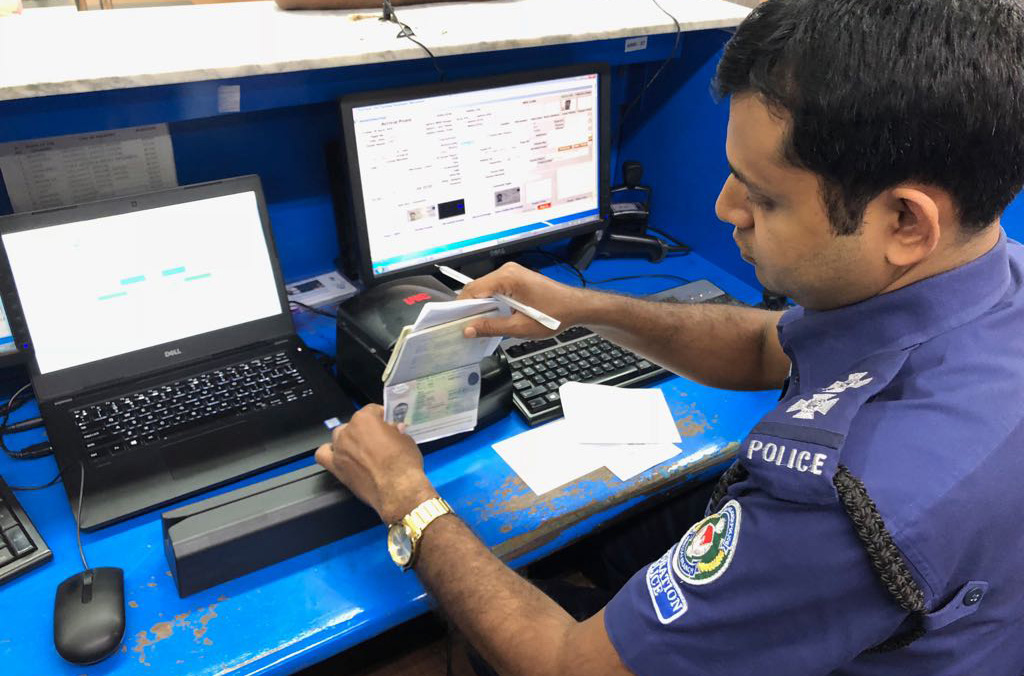
Visa-on-arrival counters at Dhaka and Chittagong airports
Bangladesh offers visa-on-arrival (VOA) facilities at Shahjalal International Airport in Dhaka and Shah Amanat International Airport in Chittagong for citizens of 168 countries. This convenient option eliminates the need to visit Bangladesh missions abroad, though proper preparation remains essential to avoid delays or complications.
Eligibility for Visa-on-Arrival
Citizens of most developed countries including the United States, Canada, United Kingdom, European Union nations, Australia, New Zealand, Japan, South Korea, and many others qualify for VOA. The complete list includes 168 countries and changes periodically. Before relying on VOA, verify current eligibility through official Bangladesh government sources or your country’s Bangladesh embassy, as regulations update without advance notice.
Excluded Nationalities: Citizens of certain countries must obtain visas in advance from Bangladesh missions abroad. These primarily include neighboring countries and nations with specific bilateral arrangements. If unsure about eligibility, contact the nearest Bangladesh embassy or consulate well before travel.
Special Cases: Dual citizens should use passports from VOA-eligible countries if possible. Travelers with complex travel histories (previous visa violations, overstays, or denied entries) should apply for visas in advance rather than relying on VOA to avoid problems at immigration.
VOA Application Process
Step 1 – Prepare Documents: Before departure, ensure you have a passport valid for at least 6 months beyond your intended stay, two recent passport-sized photographs (color, white background, 35x45mm), return or onward flight ticket confirmation, hotel reservations or accommodation details, proof of sufficient funds ($500+ in cash or traveler’s checks recommended, though credit cards may be accepted), and $51 USD in exact change for the visa fee (credit cards sometimes accepted but cash is more reliable).
Step 2 – Arrival at Airport: Upon landing at Dhaka or Chittagong, follow signs to the visa-on-arrival counter located before immigration checkpoints. During peak hours (particularly evening arrivals when multiple international flights land), expect queues. Allow 30-60 minutes for the entire VOA and immigration process, though it can be faster during off-peak times.
Step 3 – Application Form: Complete the visa application form available at VOA counters. Forms request standard information including personal details, passport information, purpose of visit, accommodation address in Bangladesh, employment information, and emergency contact details. Fill forms completely and accurately—incomplete applications cause delays.
Step 4 – Document Submission: Submit your completed application form, passport, photographs, return ticket confirmation, and accommodation details to VOA officials. Be prepared to answer questions about your visit purpose, planned activities, and financial means. Officials may request additional documentation if they have concerns about your application.
Step 5 – Fee Payment: Pay the $51 visa fee (exact amount in USD recommended, though some counters accept other major currencies at prevailing exchange rates). Request a receipt for your payment. The fee grants a 30-day single-entry tourist visa in most cases, though some nationalities may receive different durations.
Step 6 – Visa Issuance: After payment and document verification, officials will stamp your visa in your passport. Verify that all details are correct before leaving the counter—errors should be corrected immediately. Your visa specifies entry date, expiry date, and permitted stay duration. Ensure you understand when you must exit Bangladesh to avoid overstay penalties.
Step 7 – Immigration Clearance: Proceed to immigration counters with your visa-stamped passport. Immigration officers will verify your visa, may ask brief questions about your visit, and stamp your entry into Bangladesh. Keep this entry stamp—you’ll need it when exiting the country.
VOA Tips and Warnings
⚠️ Important VOA Considerations
- Not Guaranteed: VOA is granted at immigration discretion. Officials can refuse VOA and require you to obtain visas from embassies, particularly if documentation is insufficient or they have concerns about your visit purpose.
- Limited Duration: VOA typically grants only 30 days, which may be insufficient for extended trips. Extensions can be requested but aren’t guaranteed.
- Single Entry Only: VOA is usually single-entry. If you plan to leave Bangladesh and return during your trip, obtain a multiple-entry visa in advance.
- Queue Times: Peak arrival times see long VOA queues. Budget extra time for processing, particularly on flights arriving late evening when multiple international flights land simultaneously.
- Cash Required: While some counters accept credit cards, having exact cash (USD) is most reliable. ATMs in arrival halls may have long lines or run out of currency.
Stress-Free Bangladesh Travel
Navigate visa procedures and discover Bangladesh with expert local assistance
Get Expert Help →Pre-Arrival Visa Application Process
While visa-on-arrival offers convenience, many travelers prefer obtaining visas in advance for various reasons: guaranteed entry (VOA can be refused at immigration discretion), avoiding airport queues, obtaining longer validity or multiple-entry visas not available on arrival, business visa requirements, or peace of mind knowing authorization is secured before purchasing flights.
Where to Apply
Bangladesh visas can be obtained from Bangladesh embassies, high commissions, and consulates worldwide. Most countries have at least one Bangladesh diplomatic mission, typically in capital cities. If no mission exists in your country, you may be able to apply at missions in neighboring countries, though this requires additional planning and may involve postal applications.
Some Bangladesh missions now offer online application systems where you fill forms digitally, upload documents, and schedule appointments electronically. However, many still require physical visits to submit applications and collect passports. Check your nearest mission’s website for current procedures before visiting.
Application Steps
Step 1 – Determine Visa Type: Identify which visa category suits your purpose (tourist, business, work, etc.). This determines required documentation and fees.
Step 2 – Gather Documents: Collect all required documents for your visa category. Standard requirements include valid passport (6+ months validity, 2+ blank pages), completed visa application form (available from mission websites), recent passport photographs (2-4 photos, specifications vary by mission), proof of accommodation, return/onward tickets, financial statements, and category-specific documents (invitation letters for business, acceptance letters for students, employment contracts for workers).
Step 3 – Complete Application Form: Fill out the visa application form carefully and completely. Incomplete or incorrect forms cause delays. Some missions require forms filled in black ink with no corrections, while others accept typed forms. Verify specific mission requirements.
Step 4 – Submit Application: Visit the Bangladesh mission during visa application hours (typically limited to specific morning hours). Submit your passport, completed forms, photographs, supporting documents, and fees. Some missions accept postal applications for applicants unable to visit in person. Processing times vary from 2-3 business days for tourist visas to 2-3 weeks for work visas requiring additional approvals.
Step 5 – Pay Fees: Visa fees vary by nationality, type, duration, and number of entries. Tourist visas typically range from $51-80, business visas $80-160, and work visas $200-300. Fees are usually payable in cash (local currency or USD) or money order. Credit cards are accepted at some but not all missions. Always request official receipts.
Step 6 – Collect Passport: Return to the mission on the specified collection date to retrieve your passport with visa. Some missions mail passports via registered post. Verify all visa details immediately—errors should be corrected before you leave. Check visa type, validity dates, entry number (single/multiple), and permitted stay duration.
Online Visa Application (e-Visa)
Bangladesh has introduced an online visa application system for certain categories and nationalities. The e-visa system allows applicants to submit applications, upload documents, and pay fees online, receiving electronic visas without visiting embassies.
Eligibility: Currently, e-visas are available primarily for business visas and select nationalities for tourist visas. The system is gradually expanding. Check the Bangladesh e-visa portal for current eligibility.
Process: Create an account on the e-visa portal, complete the online application form, upload required documents (passport scan, photographs, supporting documents), pay fees online via credit/debit card, and submit the application. Processing typically takes 5-7 business days. Upon approval, download and print your e-visa, which you must present along with your passport at Bangladesh immigration.
Advantages: No embassy visits required, faster processing than traditional applications, online fee payment, and ability to track application status. However, technical issues can occur, and not all visa types or nationalities are eligible.
Required Documents: Complete Checklist
Proper documentation prevents visa denials, entry refusals, and stressful situations at airports. While specific requirements vary by visa type and nationality, certain documents are universally important for Bangladesh travel.
Essential Documents for All Travelers
1. Valid Passport: Your passport must be valid for at least 6 months beyond your intended stay in Bangladesh. Many countries issue passports valid for 10 years, but Bangladesh immigration can refuse entry if validity is insufficient. Additionally, passports should have at least 2-3 blank pages for visa stamps and entry/exit stamps. Damaged passports may be rejected—ensure pages are intact and information is clearly legible.
2. Visa: Appropriate visa for your travel purpose, whether obtained on arrival, from an embassy in advance, or electronically (e-visa). Ensure your visa type matches your intended activities—entering on a tourist visa and conducting business activities can result in penalties or deportation.
3. Passport Photographs: Carry extra passport-sized photographs (35x45mm, color, white background) beyond those submitted with visa applications. You may need these for visa extensions, special permits, or other administrative purposes during your stay. Four to six extra photos cover most contingencies.
4. Return or Onward Ticket: Immigration requires proof you will leave Bangladesh. This can be a return flight ticket to your home country or an onward ticket to another destination. Open-ended one-way tickets raise concerns about overstaying. If your plans are flexible, book refundable tickets or use services offering temporary ticket reservations for visa purposes.
5. Accommodation Confirmation: Hotel reservations, invitation letters from Bangladesh residents you’re staying with, or rental agreements demonstrate where you’ll reside. Immigration may question travelers who can’t specify their accommodation. For extended stays at private residences, hosts may need to register you with local police within 48 hours of arrival.
6. Financial Proof: Evidence of sufficient funds to support yourself during your Bangladesh stay. This can include bank statements (recent, showing healthy balances), credit cards with available credit, traveler’s checks, or cash (though large cash amounts require declaration). Immigration guidelines suggest $500 minimum for tourist stays, though more is advisable for longer visits. Some travelers carry bank letters confirming account balances and credit card limits.
7. Travel Insurance: While not legally mandatory for Bangladesh entry, comprehensive travel insurance is strongly recommended. Insurance covering medical emergencies, evacuation, trip cancellation, and personal liability protects against unexpected costs. Some insurance policies require purchase before departure, so arrange this in advance. Carry policy documents and emergency contact numbers.
8. Health Documents: Yellow fever vaccination certificates are mandatory if arriving from yellow fever endemic countries. Other vaccination records aren’t routinely checked but may be requested. COVID-19 vaccination certificates and test results may be required depending on current protocols. Carry medication prescriptions for any prescription drugs you’re bringing to avoid customs issues.
Additional Documents by Visa Type
Business Visa Applicants: Invitation letter from Bangladesh company (on letterhead, signed by authorized official, specifying visit purpose and duration), business registration documents of inviting company, your employment letter or business registration, business cards, meeting schedules or conference registration, and previous business relationship evidence if applicable.
Work Visa Applicants: Employment contract with Bangladesh employer, employer’s work permit application/approval from Board of Investment, academic credentials and professional qualifications (often requiring authentication), police clearance certificates from residence country, medical fitness certificates from approved clinics, and employer’s business registration and tax documents.
Student Visa Applicants: Official acceptance letter from recognized Bangladesh educational institution, proof of enrollment and fee payment, academic transcripts and certificates, financial support evidence (scholarship letters, sponsor bank statements), study plan or research proposal, and institutional registration documents.
Dependent Visa Applicants: Marriage certificate (for spouses) or birth certificates (for children), principal visa holder’s valid visa and work permit, financial support evidence from principal, and relationship proof (photographs, joint documents).
Passport Validity
Must be valid 6+ months beyond stay with 2-3 blank pages for stamps
Return Ticket
Proof of onward travel prevents overstay concerns and entry denial
Financial Proof
$500+ in accessible funds via bank statements, cards, or cash
Accommodation
Hotel bookings or host invitation letters show where you’ll stay
Health Documents
Yellow fever certificate mandatory from endemic countries, COVID protocols may apply
Travel Insurance
Not mandatory but strongly recommended for medical and emergency coverage
Health Requirements & Vaccinations

Proper health documentation and vaccinations are essential
Mandatory Vaccinations
Yellow Fever: Bangladesh requires yellow fever vaccination certificates from travelers arriving from yellow fever endemic countries. This includes most of sub-Saharan Africa and parts of South America. If you’ve spent time in these regions within the past month, you must present a valid yellow fever vaccination certificate upon Bangladesh entry. The vaccination must be administered at least 10 days before travel to be valid. Certificates issued by WHO-approved vaccination centers are accepted internationally.
Travelers without required yellow fever certificates may be quarantined, required to be vaccinated at the airport (if facilities are available), or denied entry. Since Bangladesh doesn’t have yellow fever, this requirement protects public health by preventing disease introduction.
Recommended Vaccinations
While not mandatory for entry, several vaccinations are strongly recommended by health authorities for Bangladesh travel:
Hepatitis A: Highly recommended as hepatitis A spreads through contaminated food and water, which can be concerns in Bangladesh despite improvements in food safety. The vaccine provides long-term protection (20+ years with booster doses).
Hepatitis B: Recommended for longer stays, healthcare workers, those likely to have medical procedures, or travelers who may be exposed to blood or body fluids. The vaccine series requires multiple doses over several months, so plan ahead.
Typhoid: Recommended as typhoid fever spreads through contaminated food and water. Both injectable and oral vaccines are available, offering 2-5 years protection.
Tetanus-Diphtheria: Ensure routine vaccinations are current. Tetanus boosters are recommended every 10 years. These protect against common pathogens found worldwide.
Polio: Bangladesh has eliminated polio, but travelers from countries with active polio transmission may need documentation of polio vaccination. Verify current requirements if traveling from polio-endemic regions.
Measles-Mumps-Rubella (MMR): Ensure routine vaccinations are current, particularly for children. Measles outbreaks occasionally occur in South Asia.
Japanese Encephalitis: Consider if spending extended time in rural areas, particularly during monsoon season when mosquito-borne diseases peak. The vaccine requires multiple doses over several weeks.
Rabies: Pre-exposure vaccination is recommended for travelers who’ll be in rural areas far from medical care, working with animals, or engaging in outdoor activities where animal encounters are likely. Post-exposure treatment is available in Bangladesh but may not meet international standards in all areas.
Malaria Prevention
Malaria risk exists in certain Bangladesh areas, particularly the Chittagong Hill Tracts, Sylhet division, and along the border with Myanmar. Dhaka and major cities have minimal malaria risk. Consult travel medicine specialists about antimalarial medication based on your specific itinerary.
Options include doxycycline (daily tablet started before travel), atovaquone-proguanil (daily, started shortly before travel), or mefloquine (weekly). Each has pros and cons regarding side effects, cost, and dosing frequency. Regardless of medication, mosquito bite prevention remains crucial—use DEET repellent, wear long sleeves/pants during dawn and dusk, and sleep under mosquito nets if staying in endemic areas.
Dengue and Other Mosquito-Borne Diseases
Dengue fever represents a significant health risk in Bangladesh, particularly during and after monsoon season (June-October). Unlike malaria, dengue mosquitoes bite during daylight hours. No vaccine or preventive medication exists for dengue (though vaccines are in development), making mosquito bite prevention essential. Use repellent, protective clothing, and avoid standing water where mosquitoes breed.
Chikungunya and Zika viruses also occur in Bangladesh but are less common than dengue. The same mosquito prevention strategies protect against all these diseases.
Medical Consultation
Schedule a travel medicine consultation 4-6 weeks before departure. Specialists familiar with Bangladesh health risks can provide personalized recommendations based on your itinerary, activities, medical history, and current health conditions. Some vaccinations require multiple doses over weeks or months, necessitating early planning.
Bring sufficient supplies of prescription medications for your entire trip plus extra in case of delays. Carry medications in original containers with prescriptions to avoid customs issues. Generic medications may be available in Bangladesh, but brands and quality can differ from your home country.
COVID-19 Requirements & Protocols
COVID-19 entry requirements for Bangladesh have evolved significantly since the pandemic began. As of 2026, many restrictions have been relaxed, but some protocols may remain in place or be reinstated if new variants emerge. Always verify current requirements shortly before travel.
Vaccination Requirements
Bangladesh currently does not mandate COVID-19 vaccination for entry, though this may change. Travelers are strongly encouraged to be fully vaccinated with WHO-recognized vaccines. Some airlines or transit countries may have their own vaccination requirements independent of Bangladesh regulations.
Carry digital or physical vaccination certificates. The WHO yellow card vaccination certificate is widely accepted. Some countries’ digital health passes (EU Digital COVID Certificate, UK NHS COVID Pass, etc.) may be recognized, though physical documentation is more universally accepted.
Testing Requirements
Pre-departure COVID-19 testing requirements have been largely eliminated for most travelers. However, verify current rules before travel as policies can be reintroduced quickly if health situations change. If tests are required, specifications typically include PCR tests taken within 72 hours of departure or rapid antigen tests within 24-48 hours.
Bangladesh airports may conduct random testing upon arrival. If selected for testing and test positive, quarantine protocols may apply, including hotel quarantine at your expense. Travel insurance covering COVID-related medical treatment and quarantine costs is advisable.
Quarantine Protocols
Mandatory quarantine for arriving travelers has been discontinued for most situations. However, travelers showing COVID symptoms upon arrival may be required to quarantine. Additionally, quarantine requirements can be reinstated quickly in response to new variants or outbreaks.
Health Declarations
Some airlines or airports may require health declaration forms confirming you haven’t experienced COVID symptoms, haven’t been in close contact with confirmed cases, and meet entry requirements. Complete these honestly—providing false information can result in denied entry or legal consequences.
Domestic Travel Restrictions
Domestic travel within Bangladesh generally doesn’t have COVID-related restrictions currently, though this could change during outbreaks. Monitor local news and health authority announcements for any sudden changes to movement restrictions, masking requirements, or business closures.
💡 Staying Updated on COVID Requirements
COVID-19 policies change frequently based on epidemiological conditions. Always verify current requirements 1-2 weeks before departure through:
- Bangladesh Ministry of Health and Family Welfare official website
- Your airline’s COVID travel requirements page
- Your country’s Bangladesh embassy or consulate
- International Air Transport Association (IATA) Travel Centre
- Official government travel advisory websites
Consider flexible booking options and travel insurance that covers COVID-related cancellations and medical costs.
Customs Regulations: What You Can Bring
Understanding Bangladesh customs regulations prevents delays, confiscation of items, or fines. Customs rules govern what you can bring into Bangladesh, in what quantities, and whether duties apply.
Duty-Free Allowances
Adult travelers (18+) may bring certain items duty-free within specified limits:
Tobacco Products: 200 cigarettes OR 50 cigars OR 225 grams of tobacco. Exceeding these limits requires duty payment.
Alcohol: 2 bottles (1.5 liters total) of alcoholic beverages for non-Muslim foreign nationals. Bangladesh is a Muslim-majority country where alcohol is heavily regulated. Muslims cannot import alcohol. Non-Muslims must declare alcohol at customs. Public consumption and purchasing within Bangladesh face restrictions.
Perfume: Reasonable quantities for personal use (typically up to 60ml of perfume plus 250ml of eau de toilette).
Personal Effects: Used clothing, toiletries, and personal items in reasonable quantities for trip duration are duty-free. New items in commercial quantities raise questions and may incur duties.
Electronic Devices: One laptop, one camera, one video camera, and one mobile phone per person are typically duty-free for personal use. Multiple devices or professional equipment may require declaration and potentially temporary import permits or duty payment.
Prohibited Items
The following are prohibited from import into Bangladesh:
Drugs and Narcotics: Illegal drugs are strictly prohibited. Bangladesh has severe penalties for drug trafficking, including life imprisonment or death sentences. Even small amounts for personal use result in serious consequences.
Weapons and Ammunition: Firearms, explosives, ammunition, and weapon replicas without proper authorization are prohibited. Antique weapons, decorative swords, or martial arts equipment may require permits.
Pornographic Materials: Pornography in any form (print, digital, video) is prohibited. This includes materials on electronic devices that may be checked.
Politically Sensitive Materials: Materials deemed subversive or against Bangladesh national interests may be confiscated. This is broadly defined and can include political publications critical of Bangladesh.
Counterfeit Goods: Fake branded items violate intellectual property laws and will be confiscated.
Endangered Species Products: Items made from protected wildlife (ivory, certain furs, coral, etc.) violate CITES regulations and are prohibited.
Restricted Items Requiring Declaration
Currency: Foreign currency exceeding $5,000 USD (or equivalent) must be declared on arrival. Bangladesh Taka exceeding 1,000 Taka must also be declared. Keep declaration forms for departure—you may need them to export currency. Undeclared amounts exceeding limits can be confiscated.
Gold and Jewelry: Gold jewelry for personal use is allowed in reasonable quantities (typically up to 100 grams for women, 40 grams for men). Commercial quantities or gold bullion require declaration and may incur import duties.
Prescription Medications: Bring medications in original containers with prescriptions. Carry letters from doctors explaining medical necessity for controlled substances. Quantities should match trip duration plus reasonable extra.
Professional Equipment: Professional cameras, multiple electronics, scientific equipment, or business samples should be declared. Temporary import permits may be required with guarantees you’ll export items upon departure.
Export Restrictions
Bangladesh restricts export of antiques (items over 100 years old), archaeological artifacts, and cultural heritage items without Department of Archaeology approval. Purchasing antiques requires proper documentation for export. Wildlife products, including protected species, cannot be exported.
Customs Procedures
Upon arrival, proceed through customs after immigration. Declare items on customs forms honestly. If you have nothing to declare and fall within duty-free limits, proceed through the “Green Channel” for faster processing. If you’re declaring goods, use the “Red Channel” where customs officers will assess duties or verify declarations.
Keep receipts for expensive items (cameras, laptops, jewelry) to prove ownership and facilitate re-export if questioned. Customs officers may request baggage screening. Cooperate politely—antagonistic behavior causes additional scrutiny.
Currency & Financial Requirements
Understanding Bangladesh currency regulations and financial requirements helps you manage money effectively and legally during your stay.
Currency Information
Bangladesh’s currency is the Bangladeshi Taka (BDT or ৳). Exchange rates fluctuate but typically hover around 110-120 BDT per USD. The Taka is a restricted currency with controls on import, export, and conversion. Foreign currencies (particularly USD, EUR, GBP) are widely accepted at banks and authorized money changers but cannot be used for transactions—you must exchange to Taka.
Bringing Money Into Bangladesh
Foreign Currency: No limit on foreign currency you can bring, but amounts exceeding $5,000 USD equivalent must be declared on arrival using the Currency Declaration Form (CDF). Keep this form—you’ll need it when exporting currency upon departure. Failing to declare amounts exceeding limits can result in confiscation.
Bangladesh Taka: Limited to bringing 1,000 BDT into Bangladesh. Amounts exceeding this must be declared. In practice, most travelers don’t bring Taka, instead exchanging foreign currency after arrival.
Traveler’s Checks: Though declining in use globally, traveler’s checks can be cashed at major banks in Bangladesh. Carry documentation proving purchase.
Currency Exchange
Exchange currency at authorized locations only:
Airport Exchange Counters: Available at Dhaka and Chittagong airports but offer less favorable rates than city banks. Useful for immediate cash needs (taxi fare, initial expenses).
Banks: Offer best exchange rates and are most reliable. Major banks have foreign exchange services. Bring your passport—it’s required for all currency transactions. Banks typically open 9 AM-4 PM Sunday-Thursday (Bangladesh weekend is Friday-Saturday).
Authorized Money Changers: Licensed exchange businesses operate in cities, particularly in areas with tourist hotels. Rates are better than airports but slightly worse than banks. Verify licensing—unlicensed changers operate illegally and may provide counterfeit currency.
Hotels: Major international hotels offer currency exchange but at poor rates. Use only when banks are closed and you need immediate cash.
Avoid: Black market currency exchange. While you might encounter street offers for currency exchange at “better rates,” this is illegal and risky. You could receive counterfeit currency or be robbed, with no legal recourse.
ATMs and Cards
ATM Availability: ATMs are widespread in cities and towns, particularly in areas with shopping centers, hotels, and tourist sites. Rural areas have limited ATM access. Major international networks (Visa, Mastercard, Maestro) are accepted. Withdraw sufficient cash before visiting remote areas.
Withdrawal Limits: Daily withdrawal limits vary by bank and your home card limits but typically range from 20,000-50,000 BDT per transaction. ATM fees apply—your home bank may charge international withdrawal fees ($3-5) plus the Bangladesh ATM operator fee (100-200 BDT per transaction).
Credit Cards: Accepted at upscale hotels, restaurants, and large shops in cities. Small businesses, local restaurants, and rural areas operate cash-only. Visa and Mastercard are most widely accepted. American Express and Discover have limited acceptance. Notify your card company of Bangladesh travel to avoid fraud blocks.
Safety: Use ATMs in secure locations (banks, hotels, shopping centers) rather than isolated street machines. Cover your PIN, check for card skimmers, and be aware of your surroundings.
Exporting Currency
When leaving Bangladesh, you can export foreign currency up to the amount you declared on arrival. The Currency Declaration Form from arrival must be presented. Amounts exceeding declared amounts may be confiscated unless you have exchange receipts proving legal acquisition.
Bangladesh Taka export is limited to 1,000 BDT. Exchange excess Taka before departure—airport exchange counters accept Taka conversion but at poor rates. Better to exchange at city banks before reaching the airport.
| Method | Exchange Rate | Convenience | Availability | Recommendation |
|---|---|---|---|---|
| Banks | Best rates | Requires visit during business hours | Cities and larger towns | Best for large amounts |
| ATMs | Good rates minus fees | Very convenient 24/7 | Widespread in urban areas | Best for regular cash needs |
| Money Changers | Fair rates, negotiate | Convenient in tourist areas | Cities, tourist zones | Good backup option |
| Airport Exchange | Poor rates | Immediate upon arrival | Dhaka, Chittagong airports | Small amounts only |
| Hotels | Worst rates | Very convenient for guests | Major hotels only | Emergency use only |
Expert Bangladesh Travel Assistance
Navigate requirements and explore the country with professional guides who handle logistics
Start Planning →Special Area Permits & Restrictions
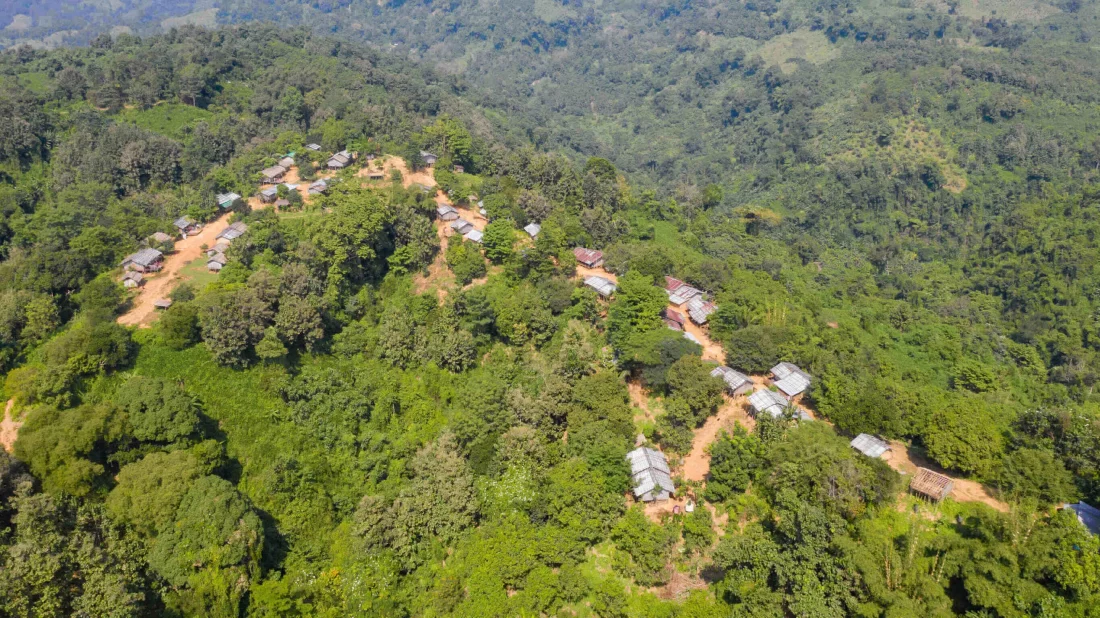
The Chittagong Hill Tracts require special permits for visitors
Certain areas in Bangladesh require special permits beyond standard visas due to security concerns, environmental protection, or indigenous land rights. Visiting these areas without proper authorization can result in fines, deportation, or legal issues.
Chittagong Hill Tracts Permit
The Chittagong Hill Tracts—comprising Rangamati, Bandarban, and Khagrachari districts—require special permits for all visitors, including Bangladeshis from other parts of the country. These southeastern mountainous regions are home to indigenous tribal communities and have experienced historical conflicts, leading to controlled access.
Application Process: Permits must be arranged through authorized tour operators or travel agencies with official permission to take tourists to the Hill Tracts. Independent applications are difficult and often require connections or multiple bureaucratic steps. Most travelers arrange Hill Tracts tours through agencies that handle permit applications as part of tour packages.
Required Information: Permit applications require passport copies, visa copies, detailed itinerary including dates and destinations, accommodation details, and sometimes character references or sponsor letters. Processing takes 1-2 weeks minimum, so plan well in advance.
Restrictions: Even with permits, certain areas within the Hill Tracts remain off-limits. Permits specify exactly where you can visit and travel. Deviating from approved routes can cause serious problems. Military checkpoints verify permits throughout the region.
Costs: Tour operators typically include permit costs in package prices. If arranging independently, permits may cost 1,000-3,000 BDT plus any “facilitation fees” (bribes, unofficially but commonly required).
Sundarbans Protected Area Permit
While less restrictive than Hill Tracts permits, visiting the Sundarbans mangrove forest requires permits from the Forest Department. These are typically arranged by tour operators offering Sundarbans boat tours.
Process: Tour operators obtain permits as part of their packages. Independent travelers theoretically can apply directly to Forest Department offices in Khulna but face bureaucratic challenges. Going through tour operators is vastly simpler.
Fees: Permits include forest entry fees (around 500-1,000 BDT per person) plus boat permits, guide requirements, and other charges. Total costs are typically included in multi-day tour packages (150-400 USD total).
Archaeological Site Permits
Major archaeological sites like Paharpur and Mahasthangarh require entry permits obtained on-site. These are simple ticket purchases at modest fees (100-300 BDT for foreigners). Some sites require photography permits for professional equipment beyond tourist cameras.
Military and Sensitive Areas
Photography or entry near military installations, government buildings, airports, and border areas is prohibited or restricted. Signs usually indicate restricted zones. Violating these restrictions can result in arrest, especially near borders with India and Myanmar. Always ask permission before photographing government buildings or security personnel.
Entry & Exit Procedures
Arrival Process
Airport Arrival: Most international visitors arrive at Shahjalal International Airport in Dhaka, though some flights land at Shah Amanat International Airport in Chittagong. Upon landing, follow signs to immigration. If obtaining visa-on-arrival, stop at VOA counters before immigration. With pre-arranged visas, proceed directly to immigration checkpoints.
Immigration Inspection: Present your passport and visa to immigration officers. They may ask basic questions about your visit purpose, duration, and accommodation. Answer truthfully and concisely. Officers stamp your entry, noting arrival date. This stamp is crucial—you’ll need it for departure. Verify the stamp is legible and correct date before leaving the counter.
Baggage Claim: Proceed to baggage claim and collect luggage. Airports provide trolleys (sometimes requiring small fees or deposits). If luggage is missing or damaged, report to airline counters before leaving baggage areas.
Customs Clearance: Pass through customs declaring any items requiring declaration. Use Green Channel (nothing to declare) or Red Channel (items to declare). Officers may request baggage screening. Cooperate politely.
Arrival Hall: After customs, you enter the arrival hall where taxi services, hotel representatives, and tour operators meet clients. Pre-arranged airport transfers wait in designated areas. If taking taxis, use official airport taxi counters rather than unauthorized drivers to avoid scams.
Land Border Crossings
Bangladesh shares land borders with India and Myanmar. Several official border crossings exist, though not all handle international tourism traffic.
India-Bangladesh Borders: Major crossings include Benapole-Petrapole (Jessore-Kolkata route), Hili-Hili (Dinajpur-West Bengal), and others. Tourist visas must be obtained before reaching borders—visa-on-arrival is not available at land borders. Immigration and customs procedures at land borders are similar to airports but can be slower. Ensure your visa specifically allows land border entry if arriving this way.
Myanmar Border: The Bangladesh-Myanmar border at Teknaf-Maungdaw is generally closed to tourist traffic due to security situations. Verify current status if considering this route.
Departure Process
Airport Check-In: Arrive at the airport 3-4 hours before international flights. Dhaka airport can be congested, and security screening takes time. Check airline requirements for check-in deadlines.
Security Screening: All passengers and luggage undergo security screening before entering departure areas. Have boarding passes and passports readily accessible. Liquids in carry-on must follow international rules (containers ≤100ml in clear plastic bag).
Immigration Clearance: Present your passport to immigration officers who verify you’re leaving before your visa expires. They’ll stamp your exit and may ask about your stay. Any overstay results in fines and potential future entry bans.
Customs: Exiting customs checks that you’re not illegally exporting currency, antiques, or restricted items. Declare any items requiring declaration and present your Currency Declaration Form if you declared amounts on arrival.
Departure Tax: Most international airfares include departure tax, but verify with your airline. If not included, departure tax must be paid (usually around 1,700 BDT) before immigration.
Overstay Penalties
Overstaying your visa is serious. Penalties include fines (approximately 200 BDT per day of overstay), potential detention, blacklisting preventing future Bangladesh visits, and deportation at your expense. If circumstances prevent departing before visa expiry, apply for extensions before the expiry date—never wait until after becoming illegal.
Visa Extensions & Changes
Circumstances sometimes require extending stays beyond original visa durations. Bangladesh allows visa extensions through the Department of Immigration, though approval isn’t guaranteed and requires valid justification.
Extension Eligibility
Tourist visa extensions are possible but approval depends on your reasons. Acceptable justifications include medical emergencies requiring extended treatment, delayed flights or transportation issues beyond your control, or compelling family circumstances. “I’m enjoying Bangladesh and want to stay longer” typically doesn’t suffice, though it might work with some discretion from officials.
Business, work, and student visas are more readily extended if employers, sponsors, or institutions support extensions and valid reasons exist for longer stays.
Extension Process
Timing: Apply for extensions at least one week before your current visa expires. Never wait until the last day or after expiry—processing takes time and overstaying while waiting creates problems.
Location: Visit the Department of Immigration office in Dhaka (Agargaon area) or the immigration office in Chittagong. Dhaka handles most applications. Office hours are typically Sunday-Thursday 9 AM-4 PM (Bangladesh weekend is Friday-Saturday).
Documents Required: Valid passport with current visa, completed visa extension application form (available at immigration office), passport photographs (2-4, recent, 35x45mm), extension justification (medical documents, flight change confirmations, employer letters), financial proof (bank statements or cash showing ability to support extended stay), current accommodation proof, and extension fees (vary by duration and visa type, typically 2,000-5,000 BDT).
Processing Time: Extensions typically process in 3-7 days, though urgent cases might be expedited for additional fees. You’ll receive notification when to collect your passport with the extension stamp or denial.
Approval: Extensions aren’t guaranteed. Officials have discretion based on your justification, past compliance with visa rules, and other factors. Having sponsors (Bangladesh residents or organizations) support your application improves chances.
Visa Type Changes
Changing visa types while in Bangladesh is difficult but sometimes possible. For example, visitors on tourist visas who decide to work must convert to work visas. This requires:
Employment offer from recognized Bangladesh organization, employer sponsorship and application to Board of Investment, police clearance, medical certificates, and immigration approval. The process takes weeks or months. It’s usually easier to exit Bangladesh and apply for the correct visa type from your home country.
Extension Alternatives
If extensions are denied or impractical, consider visa runs—exiting Bangladesh briefly (to Nepal, Thailand, India if you have visas) and returning with a new Bangladesh visa. This resets your permitted stay but requires leaving Bangladesh completely and obtaining a new visa, which may not be possible with single-entry visas.
Another option is applying for new visas at Bangladesh missions in neighboring countries while traveling the region, though this requires valid visas for those countries and accepting the time and expense involved.
Common Mistakes to Avoid
Understanding frequent errors prevents problems that derail travel plans:
Passport Validity Errors
Mistake: Arriving with passports valid less than 6 months or lacking sufficient blank pages.
Consequence: Denied boarding by airlines or entry refusal at immigration.
Prevention: Verify passport validity and blank pages months before booking flights. Renew passports with less than 9 months validity to ensure they meet requirements.
Wrong Visa Category
Mistake: Entering on tourist visas but conducting business activities, or assuming business visas authorize employment.
Consequence: Deportation, fines, and future entry bans if discovered.
Prevention: Apply for visas matching your actual activities. If plans change, apply for correct visa types before traveling.
Missing Yellow Fever Certificates
Mistake: Travelers from yellow fever endemic countries arriving without vaccination certificates.
Consequence: Quarantine, forced vaccination, or denied entry.
Prevention: If you’ve been in yellow fever regions within the past month, get vaccinated at least 10 days before Bangladesh travel and carry your WHO yellow card.
Currency Declaration Failures
Mistake: Not declaring currency exceeding $5,000 on arrival, then attempting to export undeclared amounts.
Consequence: Confiscation of excess undeclared currency.
Prevention: Declare all amounts exceeding limits using Currency Declaration Forms. Keep forms until departure.
Overstaying Visas
Mistake: Miscalculating visa expiry dates or assuming automatic grace periods exist.
Consequence: Fines, detention, blacklisting, and deportation.
Prevention: Track visa expiry carefully. Apply for extensions well before expiry if needed. Set phone reminders for visa expiry dates.
Inadequate Financial Proof
Mistake: Arriving with minimal visible funds and no bank statements or credit cards.
Consequence: Immigration officers may question your ability to support yourself and deny entry.
Prevention: Carry proof of financial means—bank statements, credit cards with statements showing available credit, or significant cash (properly declared if exceeding limits).
No Return Ticket
Mistake: Arriving with one-way tickets and vague onward travel plans.
Consequence: Entry denial or extensive questioning causing delays.
Prevention: Have confirmed return or onward tickets before arriving. If plans are flexible, book refundable tickets or use temporary reservation services.
Visiting Hill Tracts Without Permits
Mistake: Attempting to visit Chittagong Hill Tracts without required permits, assuming tourist visas suffice.
Consequence: Stopped at checkpoints, fined, detained, or deported.
Prevention: Research permit requirements for all destinations. Arrange Hill Tracts permits through authorized tour operators before visiting.
Ignoring COVID Protocols
Mistake: Assuming COVID requirements no longer exist without verification.
Consequence: Denied boarding or entry if protocols have been reinstated.
Prevention: Verify current COVID requirements 1-2 weeks before travel. Requirements change quickly—don’t rely on outdated information.
Frequently Asked Questions
Most foreign nationals require visas to enter Bangladesh. However, citizens of 168 countries can obtain visa-on-arrival at Dhaka and Chittagong airports for tourist purposes. This includes citizens of the United States, Canada, United Kingdom, European Union nations, Australia, New Zealand, Japan, South Korea, and many others. The visa-on-arrival process is straightforward, requiring valid passport (6+ months validity), return ticket, accommodation details, and $51 fee. Business travelers, those visiting for work or study, and visitors from countries not on the visa-on-arrival eligible list must obtain visas in advance from Bangladesh embassies or consulates. Always verify your nationality’s eligibility for visa-on-arrival before relying on it, as the list changes periodically.
Processing times vary by visa type and application method. Visa-on-arrival at Dhaka or Chittagong airports processes in 30-60 minutes upon arrival, though peak times can cause longer waits. Pre-arranged tourist visas from embassies typically take 2-5 business days if all documents are in order. Business visas require 5-10 business days as they need additional verification. Work permits and employment visas can take 2-4 weeks due to Board of Investment approvals required. Online e-visa applications (where available) process in 5-7 business days. Apply well in advance of travel—at least 2-3 weeks for tourist visas, and 4-6 weeks for business or work visas to account for potential delays or requests for additional documentation. Processing times can extend during peak travel seasons or holidays.
Yellow fever vaccination certificate is MANDATORY if arriving from or transiting through yellow fever endemic countries (most of sub-Saharan Africa and parts of South America). Without the certificate, you may be denied entry, quarantined, or required to vaccinate at the airport. For all travelers, recommended vaccinations include: Hepatitis A (highly recommended for food/water protection), Hepatitis B (recommended for longer stays or healthcare exposure), Typhoid (recommended due to food/water risks), routine vaccinations including Tetanus-Diphtheria, Measles-Mumps-Rubella, and Polio. Additional vaccines to consider based on your itinerary include Japanese Encephalitis (for extended rural stays), Rabies (pre-exposure for rural travelers or animal contact), and Malaria prevention medication for Chittagong Hill Tracts and border areas. Consult a travel medicine specialist 4-6 weeks before departure for personalized recommendations based on your specific itinerary and medical history.
While no official minimum is strictly enforced for all travelers, immigration guidelines suggest demonstrating access to approximately $500 USD or equivalent for tourist stays. This can be shown through: cash (in foreign currency or Taka), bank statements showing healthy account balances, credit cards with recent statements showing available credit, or traveler’s checks. The amount should be proportional to your intended stay duration—longer visits require demonstrating greater financial means. Immigration officers have discretion to question travelers who appear unable to support themselves financially. Business travelers should carry company letters, credit cards, and financial documentation demonstrating legitimate business purposes. It’s better to show excess funds than risk entry denial due to insufficient means. Keep financial documents easily accessible during immigration processing in case officers request them.
Yes, tourist visa extensions are possible but not guaranteed. Apply at the Department of Immigration office in Dhaka or Chittagong at least one week before your current visa expires. Required documents include: valid passport with current visa, completed extension application form, passport photographs, proof of justification for extension (medical issues, flight delays, compelling reasons—simply wanting to stay longer typically doesn’t suffice), financial proof showing ability to support extended stay, current accommodation details, and extension fees (typically 2,000-5,000 BDT depending on duration). Processing takes 3-7 days. Extensions are granted at immigration officials’ discretion based on your justification and compliance history. Never overstay your visa while waiting for extension decisions—apply well before expiry. If extension is denied, you must depart before your original visa expires to avoid overstay penalties including fines, blacklisting, and potential deportation.
Bangladesh strictly prohibits: illegal drugs and narcotics (severe penalties including life imprisonment or death for trafficking), weapons and ammunition without proper authorization, pornographic materials in any form (print, digital, video), politically sensitive materials deemed subversive, counterfeit goods violating intellectual property, and products from endangered species (ivory, certain furs, coral). Additionally restricted items requiring declaration include: foreign currency exceeding $5,000 USD equivalent, gold jewelry beyond personal use limits (100g for women, 40g for men), prescription medications (bring in original containers with prescriptions), professional equipment and multiple electronics (may require temporary import permits). Alcohol import is permitted for non-Muslim foreign nationals only (2 bottles/1.5L total) and must be declared. Always declare questionable items rather than risk confiscation or legal issues. Customs officers have discretion in applying rules, so cooperate politely if questioned about any items.
Yes, visiting the Chittagong Hill Tracts (Rangamati, Bandarban, Khagrachari districts) requires special permits beyond standard visas. This applies to all visitors, including Bangladeshis from other regions. Due to historical conflicts and indigenous land rights, access is controlled. The easiest and most reliable way to obtain permits is through authorized tour operators who handle applications as part of tour packages. Independent permit applications are bureaucratically complex, require 1-2 weeks minimum processing, and often need connections or “facilitation fees.” Required information includes passport and visa copies, detailed itinerary with specific dates and destinations, accommodation details, and sometimes character references. Even with permits, certain areas remain off-limits and you must follow approved routes. Military checkpoints throughout the region verify permits. Attempting to visit without proper authorization results in being stopped at checkpoints, fines, detention, or deportation. Always arrange Hill Tracts permits well in advance through reputable tour operators.
Overstaying your Bangladesh visa is a serious immigration violation with significant consequences. Penalties include: fines of approximately 200 BDT per day of overstay (can accumulate to substantial amounts for extended overstays), potential detention at immigration facilities, blacklisting preventing future Bangladesh visits for several years or permanently, deportation at your expense, and a permanent negative mark on your immigration record that may affect future travel to other countries. When discovered (typically at departure but sometimes during domestic travel if checked), you must pay all fines before being allowed to leave. Severe overstays can result in imprisonment and legal proceedings. If circumstances prevent departing before visa expiry, apply for extensions well before the expiry date—never wait until after becoming illegal. Immigration officials are more sympathetic to extension requests made proactively rather than dealing with overstays retroactively. Set phone reminders for visa expiry dates and track your permitted stay carefully to avoid this serious mistake.
No, absolutely not. Tourist visas explicitly prohibit employment, paid work, or business activities beyond preliminary meetings. Working on a tourist visa violates Bangladesh immigration law and can result in: immediate deportation, substantial fines, permanent blacklisting from Bangladesh, imprisonment in serious cases, and damage to your professional reputation. Even unpaid volunteer work technically violates tourist visa terms. If you want to work in Bangladesh, you must obtain proper work authorization through: employment visa application requiring Bangladesh employer sponsorship, Board of Investment approval for foreign employment, work permit processing after arrival, and compliance with labor laws including contracts and tax obligations. The proper process takes weeks or months and involves significant paperwork, but it’s essential for legal employment. Business visas allow attending meetings and exploring opportunities but not actual employment. If your plans change from tourism to work, exit Bangladesh and apply for the correct visa type rather than attempting to work illegally on a tourist visa.
Bangladesh visa fees vary by visa type, duration, number of entries, and your nationality. Standard fees as of 2026 include: Visa-on-arrival tourist visa: $51 for most eligible nationalities (30-day single entry); Pre-arranged tourist visa: $51-80 depending on duration and entries (30-day single entry on lower end, 90-day multiple entry on higher end); Business visa: $80-160 depending on duration and entries (single entry 3 months to multiple entry 1-5 years); Transit visa: $30-50 for stays up to 5 days; Work/employment visa: $200-300 initially, with additional work permit fees; Student visa: $100-150 depending on duration; Conference/seminar visa: $51-100 depending on length. Fees are typically payable in USD cash at airports or local currency at embassies. Some missions accept credit cards but cash is more reliable. Always request official receipts. Fees are non-refundable even if visas are denied. Processing fees may be additional to visa fees at some embassies. Verify current fees with your nearest Bangladesh mission before applying as they change periodically.
Ready for Your Bangladesh Journey
Understanding Bangladesh travel requirements transforms what could be a stressful, confusing process into a manageable series of straightforward steps. With proper documentation, appropriate visas, health preparations, and awareness of customs and financial regulations, you can enter Bangladesh confidently and focus on experiencing this fascinating country rather than worrying about administrative issues.
Bangladesh has made significant strides in becoming more accessible to international visitors through visa-on-arrival facilities, clearer regulations, and improved processes. Yet navigating the system still requires attention to details that differ from other popular Asian destinations. This comprehensive guide has equipped you with the knowledge to handle every aspect of Bangladesh entry requirements successfully.
Whether you’re visiting Bangladesh for its incredible natural beauty, rich history, vibrant culture, or business opportunities, proper preparation ensures smooth entry and allows you to make the most of your time in this remarkable country. Start your Bangladesh adventure on the right foot by handling requirements properly—then let the real journey begin.
Plan Your Bangladesh Trip →