Bangladesh: The Complete Country Guide 2026
Discover the land of rivers, rich culture, and resilient people — Your ultimate resource for understanding Bangladesh
Introduction: Discover Bangladesh – South Asia’s Hidden Gem

Dhaka, the bustling capital city and economic heart of Bangladesh
Bangladesh, a country that defies expectations at every turn, stands as one of South Asia’s most fascinating yet frequently misunderstood nations. Nestled between India and Myanmar on the Bay of Bengal, this deltaic country of over 170 million people occupies an area roughly the size of Iowa, creating one of the world’s highest population densities. Yet beyond the statistics lies a nation of extraordinary resilience, rich cultural heritage, breathtaking natural beauty, and remarkable human stories.
The name “Bangladesh” translates to “Country of Bengal” in the Bengali language, reflecting the region’s ancient identity. Though the nation only gained independence in 1971, its cultural roots stretch back millennia. Ancient Bengal was renowned throughout Asia for its fine muslins—fabrics so delicate they were called “woven air”—its sophisticated poetry, and its contributions to Buddhist and Hindu philosophy. This legacy continues today in Bangladesh’s vibrant arts scene, literary traditions, and deeply held cultural values.
What makes Bangladesh truly unique is its relationship with water. The country sits atop the massive Ganges-Brahmaputra-Meghna Delta, the world’s largest river delta. Over 700 rivers crisscross the landscape, creating a complex network of waterways that shape everything from agriculture and transportation to architecture and daily life. During monsoon season, approximately one-third of the country floods annually—a phenomenon Bangladeshis have learned not just to survive but to thrive alongside through innovative farming techniques, flood-resistant construction, and sophisticated early warning systems.
Modern Bangladesh represents a remarkable transformation story. In the aftermath of a devastating independence war in 1971, international observers doubted the new nation’s viability. Facing massive challenges including widespread poverty, cyclone-induced disasters, and limited infrastructure, Bangladesh seemed destined for perpetual crisis. Yet over the past five decades, the country has defied these predictions through impressive economic growth, pioneering microfinance programs, dramatic improvements in women’s empowerment, and innovative approaches to disaster management that have become models for other vulnerable nations.
🇧🇩 Bangladesh Quick Facts
- Official Name: People’s Republic of Bangladesh
- Capital: Dhaka
- Population: ~170 million (2024)
- Area: 147,570 km² (56,977 sq mi)
- Official Language: Bengali (Bangla)
- Currency: Bangladeshi Taka (৳)
- Independence: March 26, 1971
- Government: Parliamentary Democracy
- GDP: ~$460 billion (2024)
- Religion: Islam (90%), Hinduism (9%)
- Time Zone: BST (UTC+6)
- Literacy Rate: ~75%
Today’s Bangladesh stands at a crossroads. The country has emerged as a global leader in ready-made garment production, exporting clothing to major international brands and employing millions of workers (predominantly women). The economy has maintained impressive 6-7% annual growth rates for years. Life expectancy has risen from 45 years in 1971 to 73 years today. Infant mortality has plummeted. Female education now exceeds male enrollment at secondary levels. These aren’t just statistics—they represent transformed lives and expanded opportunities for millions of Bangladeshis.
Yet Bangladesh also faces profound challenges. Climate change poses an existential threat to this low-lying delta nation, with rising sea levels potentially displacing tens of millions of people. Rapid urbanization has created sprawling megacities struggling with infrastructure deficits. Air and water pollution affect health and quality of life. Political tensions periodically disrupt stability. Income inequality persists despite overall economic progress. Understanding Bangladesh requires acknowledging both its remarkable achievements and its ongoing struggles.
For travelers and visitors, Bangladesh offers experiences found nowhere else. The country remains refreshingly untouched by mass tourism, meaning authentic cultural encounters are the norm rather than the exception. Bangladeshis are renowned for their hospitality—foreign visitors often find themselves overwhelmed by generous welcomes and genuine curiosity. From the world’s longest natural beach at Cox’s Bazar to the mangrove wilderness of the Sundarbans (home to Royal Bengal Tigers), from ancient archaeological sites to vibrant festivals celebrating centuries-old traditions, Bangladesh rewards curious travelers willing to look beyond stereotypes.
This comprehensive guide explores every facet of Bangladesh in depth. You’ll discover the nation’s complex geography and vulnerable ecosystems, trace its rich history from ancient civilizations through colonial rule to hard-won independence, explore its diverse cultural traditions and religious practices, learn about its economic transformation and development challenges, understand daily life in both bustling cities and rural villages, and gain practical insights for visiting this remarkable country.
Whether you’re planning to travel to Bangladesh, conducting business, pursuing academic research, or simply satisfying curiosity about this often-overlooked nation, this guide provides detailed, nuanced information that goes beyond surface impressions. Bangladesh is a country that challenges assumptions and rewards deeper understanding—a place where ancient wisdom meets modern ambition, where devastating challenges inspire innovative solutions, and where human resilience shines brightest in the face of adversity.
Ready to Experience Bangladesh?
Explore Bangladesh’s rich culture and hidden treasures with expert local guides
Find Your Expert Guide →Geography & Climate: The Land of Rivers

The Sundarbans – the world’s largest mangrove forest and a UNESCO World Heritage Site
Geographic Overview
Bangladesh’s geography is dominated by one defining characteristic: water. The country sits atop the Ganges-Brahmaputra-Meghna Delta, the world’s largest river delta system, creating a vast floodplain that covers most of the nation. Three mighty rivers—the Ganges (known locally as the Padma), the Brahmaputra (Jamuna), and the Meghna—converge in Bangladesh before emptying into the Bay of Bengal, depositing enormous amounts of fertile silt that make the land extraordinarily productive for agriculture.
The country’s total area of 147,570 square kilometers (56,977 square miles) makes it slightly smaller than the U.S. state of Iowa or roughly equivalent to England and Wales combined. Yet this relatively small territory is home to over 170 million people, creating a population density of approximately 1,265 people per square kilometer—among the highest in the world for countries with populations over 10 million.
Bangladesh shares borders with India to the west, north, and east (4,096 km of border) and Myanmar to the southeast (193 km). The southern coastline along the Bay of Bengal stretches for 580 kilometers, featuring extensive mangrove forests, mudflats, and the world’s longest natural beach at Cox’s Bazar.
Topography and Landscape
The vast majority of Bangladesh consists of flat alluvial plains created by river sediment deposits. The average elevation is just 85 meters above sea level, with much of the country sitting barely above high tide. This extreme flatness contributes to Bangladesh’s vulnerability to flooding and cyclones but also provides exceptionally fertile agricultural land that has sustained dense populations for millennia.
The landscape can be divided into several distinct regions. The northwestern part features slightly higher terrain with some remnant Pleistocene terraces. The central basin contains the confluence of the major river systems and experiences the most severe flooding. The northeastern region includes the Sylhet valley and haor wetlands, which become vast inland seas during monsoon season. The southeast features the only mountainous terrain in Bangladesh—the Chittagong Hill Tracts rise to 1,064 meters at Mount Keokradong (or possibly 1,230 meters at Saka Haphong, though this is disputed).
Over 700 rivers and tributaries crisscross Bangladesh, creating a dense network of waterways totaling approximately 24,000 kilometers. These rivers serve as highways for commerce, provide fish and irrigation water, deposit nutrient-rich silt, but also cause devastating floods and erosion. River bank erosion displaces hundreds of thousands of people annually as the shifting channels consume villages and agricultural land.
Climate Patterns
Bangladesh experiences a tropical monsoon climate characterized by high temperatures, heavy rainfall, and high humidity. The year divides into three main seasons that profoundly affect daily life, agriculture, and the environment.
Winter (November-February): The coolest and most pleasant season features temperatures ranging from 10-20°C (50-68°F) in the north to 15-25°C (59-77°F) in the south. Humidity drops, skies are generally clear, and this period represents the peak tourist season. This is also the main harvest season for rice and other crops.
Summer/Pre-Monsoon (March-May): Temperatures soar to 30-40°C (86-104°F) with crushing humidity levels often exceeding 80%. Occasional thunderstorms called “nor’westers” (kalbaishakhi) bring brief but violent wind and rain. This uncomfortable season tests human endurance and infrastructure systems.
Monsoon (June-October): The monsoon season defines Bangladesh’s relationship with water. Heavy rains drench the country, with annual rainfall ranging from 1,400mm in the west to over 4,300mm in the northeast. Rivers swell and overflow, flooding approximately one-third of the country in normal years. Major flood years can inundate two-thirds of the land. Cyclones from the Bay of Bengal pose additional threats during this period, particularly in April-May and October-November.
Climate Change Vulnerability
Bangladesh ranks among the world’s most climate-vulnerable countries. Its low elevation, extensive coastline, dependence on agriculture, and enormous population concentrated in flood-prone areas create a perfect storm of climate risk. Rising sea levels threaten to inundate coastal regions home to tens of millions of people. Increasing cyclone intensity and frequency endanger lives and infrastructure. Changing rainfall patterns disrupt agriculture. Saltwater intrusion destroys arable land and contaminates drinking water supplies.
Scientists predict that a one-meter sea-level rise—increasingly likely by 2100—could displace 20-30 million Bangladeshis and submerge 17% of the country’s land area. This would create one of the largest forced migrations in human history, with profound implications not just for Bangladesh but for regional stability and global migration patterns.
Yet Bangladeshis have demonstrated remarkable adaptive capacity. The country has become a global leader in disaster preparedness, with early warning systems, cyclone shelters, and community-based risk reduction programs that have dramatically reduced death tolls from natural disasters. Bangladesh has pioneered floating agriculture, flood-resistant housing, and mangrove restoration projects. These innovations offer valuable lessons for other climate-vulnerable nations worldwide.
⚠️ Natural Disaster Awareness
Bangladesh experiences regular natural disasters including floods (annually), cyclones (particularly April-May and October-November), and occasional earthquakes. The country has developed sophisticated early warning systems and extensive cyclone shelter networks. Visitors should monitor weather forecasts, heed local warnings, and understand evacuation procedures. The Bangladesh Meteorological Department and disaster management authorities provide real-time alerts.
Natural Resources
Bangladesh’s primary natural resource is its extraordinarily fertile land, renewed annually by river silt deposits. This fertility has sustained dense agricultural populations for thousands of years and continues to support one of the world’s highest population densities. The country produces rice, jute, tea, and various crops on its limited but productive land.
Natural gas represents Bangladesh’s most significant mineral resource, with substantial reserves in the northeast and offshore in the Bay of Bengal. Gas provides approximately 75% of commercial energy and fuels the growing power generation sector. However, reserves are depleting, raising concerns about future energy security.
The rivers and coastal waters provide abundant fish stocks that are crucial for protein intake and employment. Bangladesh ranks among the world’s top inland fish producers. The Sundarbans mangrove forest offers timber, honey, and crucial coastal protection. Recent offshore oil and gas discoveries offer potential for energy independence, though extraction challenges remain significant.
Explore Bangladesh’s Natural Wonders
From the Sundarbans to Cox’s Bazar, discover Bangladesh’s incredible landscapes with local experts
Plan Your Adventure →Rich History: From Ancient Kingdoms to Modern Nation
Ancient and Medieval Period
The history of the Bengal region—of which modern Bangladesh comprises the eastern portion—stretches back millennia. Archaeological evidence suggests human settlement dating to 20,000 BCE, with organized urban civilizations emerging around 4,000 years ago. Ancient Bengali ports traded with Southeast Asia, China, the Middle East, and even the Roman Empire, establishing commercial networks that made Bengal wealthy and cosmopolitan.
The region’s strategic location and agricultural wealth attracted successive waves of conquerors and settlers. Hindu kingdoms dominated from the 4th century CE, developing sophisticated philosophical traditions and creating magnificent temple architecture. Buddhist empires flourished particularly between the 8th and 12th centuries, with the Pala dynasty making Bengal a major center of Buddhist learning that attracted scholars from across Asia. The famous Nalanda and Vikramshila universities drew students from Tibet, China, Korea, and Southeast Asia.
Ancient Bengal was renowned for its muslins—ultra-fine cotton fabrics so delicate they were called “woven air” and “running water.” These textiles were exported along the Silk Road to Rome, Egypt, and China, making Bengal wealthy and famous throughout the ancient world. The region also developed distinctive literary traditions, including early Buddhist and Hindu philosophical texts, and pioneered mathematical concepts including the decimal number system.
Islamic Rule and Mughal Period
Islamic influence entered Bengal through traders and Sufi mystics beginning in the 12th century. The Delhi Sultanate conquered Bengal in 1204, establishing Muslim political control that would last for centuries. However, Islam’s spread occurred primarily through peaceful Sufi missionaries who blended Islamic teachings with local cultural practices, creating the syncretic Bengali Islam that characterizes Bangladesh today.
The Mughal Empire incorporated Bengal in 1576, ushering in a golden age of prosperity and cultural flowering. Mughal Dhaka and Murshidabad became major centers of commerce, arts, and architecture. The famous Dhaka muslin reached its peak quality under Mughal patronage. European travelers called Bengal the “richest country to trade with”—it accounted for over 12% of global GDP in the 18th century, more than all of Europe combined.
Mughal Conquest
Bengal incorporated into the Mughal Empire, beginning a golden age of prosperity, arts, and architecture
Battle of Plassey
British East India Company defeats Bengal Nawab, establishing colonial rule that would last 190 years
Partition of India
British India divided into India and Pakistan; Bengal split with eastern portion becoming East Pakistan
Independence War
Nine-month liberation war against Pakistan results in Bangladesh independence on December 16, 1971
British Colonial Period
The Battle of Plassey in 1757 marked the beginning of British rule in Bengal. The British East India Company gradually dismantled the region’s manufacturing base, particularly its textile industry, to favor British industrial exports. Bengal’s share of global GDP plummeted from 12% in 1700 to less than 2% by 1900. Famines killed millions as British policies prioritized profit over food security.
The colonial period wasn’t entirely negative. British investment in railways, telegraph, and administrative systems modernized infrastructure. Western education created a new middle class of educated Bengalis who would later lead independence movements. The Bengal Renaissance of the 19th century produced remarkable intellectual and cultural achievements, including the works of Rabindranath Tagore, the first non-European Nobel laureate in literature.
The 1905 partition of Bengal along religious lines sparked massive protests and the first organized nationalist movement. Though the partition was annulled in 1911, it planted seeds for the eventual religious division that would shape South Asian history. The Bengal famine of 1943, which killed an estimated 2-3 million people due to British wartime policies, hardened anti-colonial sentiment and accelerated demands for independence.
Pakistan Period (1947-1971)
When British India gained independence in 1947, it was partitioned into Hindu-majority India and Muslim-majority Pakistan. Bengal was divided along religious lines, with the western portion (predominantly Hindu) joining India as West Bengal and the eastern portion (predominantly Muslim) becoming East Pakistan, part of the new nation of Pakistan.
This arrangement proved deeply problematic. East and West Pakistan were separated by 1,600 kilometers of Indian territory and shared little except religion. West Pakistan, despite having a smaller population, dominated politically, economically, and militarily. The Pakistani government imposed Urdu as the national language despite Bengali being spoken by the majority in East Pakistan. This sparked the 1952 Language Movement, when students protested for recognition of Bengali—several protesters were killed, creating the first martyrs of Bengali nationalism.
Economic disparities fueled growing resentment. Despite East Pakistan generating the majority of export earnings (primarily through jute), West Pakistan received the lion’s share of development funds and foreign aid. Political power remained concentrated in West Pakistan, with East Pakistanis largely excluded from decision-making. Repeated denial of democratic rights, economic exploitation, and cultural suppression created mounting tensions.
Liberation War and Independence
The crisis came to a head in 1970 when the Awami League, led by Sheikh Mujibur Rahman, won an absolute majority in Pakistan’s national elections. The Pakistan military government refused to transfer power, instead launching a brutal crackdown on March 25, 1971. Operation Searchlight targeted Bengali intellectuals, students, and political activists, killing thousands in a single night.
This sparked the Bangladesh Liberation War—a nine-month struggle that would claim between 300,000 to 3 million lives (estimates vary widely) and create 10 million refugees who fled to India. The Pakistani military and collaborating local militias committed widespread atrocities including mass killings, systematic rape, and targeted assassination of intellectuals. The Mukti Bahini (liberation army) waged guerrilla warfare against Pakistani forces.
India intervened militarily in December 1971, and within two weeks the Pakistani forces surrendered. On December 16, 1971, Bangladesh achieved independence. The war left the new nation devastated—its infrastructure destroyed, economy shattered, and population traumatized. International observers doubted Bangladesh’s viability as an independent nation.
Post-Independence Bangladesh
The early years of independence proved extraordinarily challenging. Widespread destruction, disrupted agriculture, and returning refugees created food shortages. The 1974 famine killed hundreds of thousands. Political instability led to the assassination of founding leader Sheikh Mujibur Rahman in 1975, followed by decades of military rule and political turmoil.
Yet Bangladesh gradually stabilized and began developing. The country pioneered microfinance through Grameen Bank, lifting millions from poverty. The ready-made garment industry emerged as a major employer and export earner. Development programs improved health and education outcomes remarkably. Women’s empowerment progressed significantly. Democratic governance was restored in 1991 and has largely persisted despite periodic turbulence.
Today, Bangladesh has transformed from a “basket case” (as it was cruelly labeled in the 1970s) into a development success story, demonstrating that written-off nations can achieve remarkable progress through resilience, innovation, and human determination.
Culture & Traditions: The Soul of Bangladesh
Bengali Identity and Values
Bangladeshi culture centers on Bengali identity—a unique blend of linguistic pride, literary tradition, and syncretic religious practice that distinguishes it from other South Asian Muslim-majority societies. The 1952 Language Movement, when students died protesting for recognition of Bengali, established language as central to national identity. February 21 is observed as Language Martyrs’ Day in Bangladesh and is recognized globally as International Mother Language Day.
Family lies at the heart of Bengali culture. Extended families often live together or in close proximity, with strong bonds extending to cousins, aunts, uncles, and grandparents. Respect for elders is paramount—younger people greet elders with formal gestures, seek their advice on major decisions, and defer to their authority. Collective welfare typically trumps individual desires, and family reputation carries enormous weight.
Hospitality defines Bengali social interaction. Guests are treated with exceptional warmth and generosity, often receiving the best food and accommodations a family can offer. Refusing hospitality can be seen as insulting, and hosts will insist repeatedly that guests eat more, stay longer, or accept gifts. This hospitality extends to strangers, particularly foreign visitors who often find themselves invited to homes or offered help unprompted.
Arts and Literature
Bangladesh boasts rich literary traditions stretching back over a millennium. Medieval Bengali literature includes mystical Sufi poetry and devotional songs that remain popular today. The 19th-century Bengal Renaissance produced world-class writers, with Rabindranath Tagore towering as the most celebrated. Tagore’s poetry, novels, short stories, and songs shaped modern Bengali identity and earned him the Nobel Prize in Literature in 1913. He composed both Bangladesh’s and India’s national anthems.
Music permeates daily life in Bangladesh. Rabindra Sangeet (Tagore’s songs) holds special reverence, played at cultural programs and national celebrations. Nazrul Geeti honors rebel poet Kazi Nazrul Islam’s revolutionary and romantic compositions. Baul music, performed by wandering mystic minstrels, expresses spiritual yearning through haunting melodies. Modern Bangladesh has vibrant pop, rock, and folk fusion scenes alongside traditional forms.
Visual arts include intricate alpana (decorative floor designs), nakshi kantha (embroidered quilts featuring narrative scenes), and terracotta temple sculpture. Contemporary Bangladeshi artists have gained international recognition for works addressing social issues, identity, and development challenges. The fine arts movement beginning in the 1950s created a distinctive modernist tradition that continues evolving.
Literary Heritage
Bangladesh produced Rabindranath Tagore and has a 1,000+ year literary tradition celebrated worldwide
Musical Diversity
From classical ragas to Baul mystical songs to modern rock—music shapes daily life and celebrations
Handicraft Mastery
Nakshi kantha embroidery, jamdani weaving, and terracotta art showcase centuries of artisan skill
Architectural Fusion
Hindu, Buddhist, Mughal, and British colonial influences create unique architectural heritage
Family Centrality
Extended families provide social security, childcare, eldercare, and emotional support systems
Legendary Hospitality
Welcoming guests with warmth and generosity is a point of pride and cultural obligation
Traditional Crafts and Textiles
Bangladesh maintains vibrant handicraft traditions despite industrialization pressures. Jamdani weaving produces extraordinarily intricate cotton and silk fabrics with patterns woven directly into the cloth—a UNESCO-recognized intangible cultural heritage. Each jamdani sari requires weeks or months to complete by hand, making them treasured heirlooms.
Nakshi kantha represents another distinctive tradition. Women stitch together layers of old saris with running stitches, creating quilts decorated with narrative scenes, geometric patterns, or nature motifs. Originally a thrift practice, nakshi kantha has become a celebrated art form with pieces displayed in museums worldwide.
Pottery, brass work, bamboo crafts, and traditional boat building continue in villages across Bangladesh. These crafts provide livelihoods while maintaining cultural continuity. Government and NGO initiatives work to preserve traditional skills and connect artisans with modern markets.
Social Customs and Etiquette
Understanding Bengali social customs enhances any Bangladesh experience. Greetings typically involve “Assalamu Alaikum” (peace be upon you) among Muslims or “Namaskar” among Hindus. Handshakes between men are common, but men and women traditionally don’t shake hands across genders unless the woman initiates.
Removing shoes before entering homes, mosques, and temples is mandatory. Dress modestly, particularly women, covering shoulders and knees. Public displays of affection between couples are frowned upon. Using the right hand for eating and greeting is important, as the left hand is considered unclean. Pointing with fingers is rude—use an open hand instead.
Gift-giving follows specific customs. Bring sweets or fruit when visiting homes. Wrap gifts nicely. Gifts are typically not opened immediately in front of the giver. Refusing gifts or food too quickly seems rude—accept graciously or refuse politely three times before firmly declining if you must.
Bengali Cuisine: A Feast for the Senses
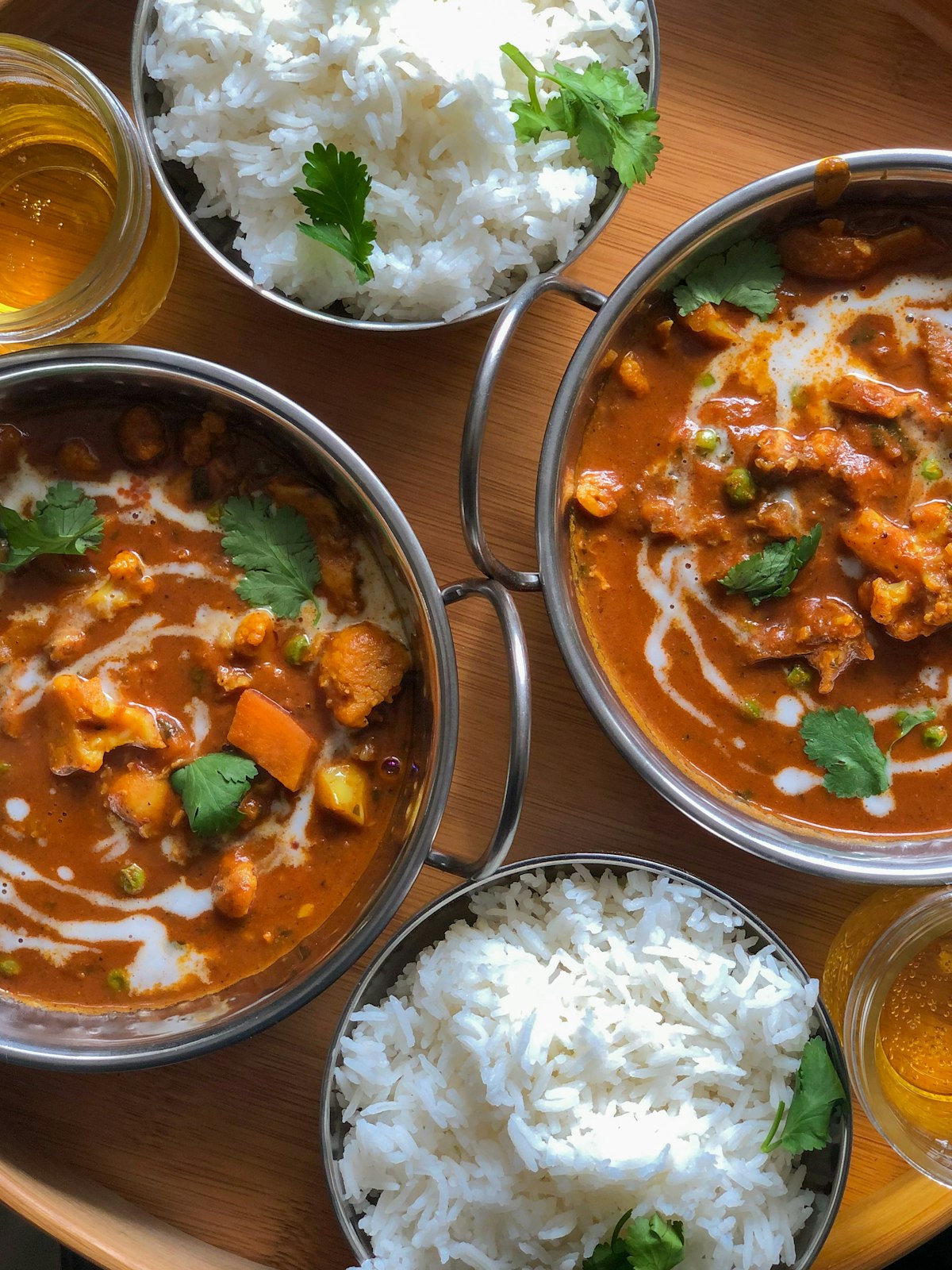
Traditional Bengali meal featuring rice, fish curry, and vegetables
Culinary Philosophy and Basics
Bengali cuisine, the foundation of Bangladeshi food culture, ranks among the world’s great culinary traditions. It emphasizes subtle flavors, skillful use of spices, and particular attention to fish and rice—the dietary staples that have sustained Bengalis for millennia. Unlike some South Asian cuisines that favor strong, assertive spicing, Bengali cooking often highlights delicate, complex flavor layers developed through patient cooking techniques.
Rice forms the centerpiece of virtually every meal, consumed multiple times daily. The phrase “have you eaten rice?” (bhat kheyecho?) serves as a standard greeting, equivalent to “how are you?” Several varieties are grown, with aromatic miniket and Chinigura rice particularly prized. Panta bhat (fermented rice soaked overnight) provides a cooling breakfast, particularly welcomed during hot summer months.
Fish holds sacred status in Bengali cuisine—the saying “Machhe bhaate Bangali” (fish and rice make a Bengali) captures this devotion. Bangladesh’s rivers, ponds, and wetlands provide hundreds of fish species. Hilsa (ilish), the national fish, inspires particular passion. This flavorful but bony fish appears in countless preparations, with steamed hilsa in mustard sauce considered the pinnacle of Bengali cooking. Other favorites include rui (rohu), katla (catla), magur (catfish), and chingri (prawns).
Signature Dishes and Preparations
Rice Dishes: Beyond plain white rice, Bangladeshis prepare elaborate rice dishes for celebrations. Kacchi biriyani layers marinated meat with fragrant rice, slow-cooked in a sealed pot to meld flavors. Polao (pilaf) fragrant with whole spices accompanies special meals. Khichuri, a comforting rice and lentil porridge, is consumed during monsoon rains and considered healing for the sick.
Curries and Preparations: Fish curries vary regionally and by fish type. Jhol (thin curry) suits delicate fish, while jhaal (spicy gravy) pairs with robust varieties. Shorshe ilish (hilsa in mustard sauce) exemplifies Bengali flavor sophistication—mustard seeds create a pungent, complex base that perfectly complements the rich fish. Meat curries featuring beef, mutton, or chicken appear frequently, often slow-cooked with yogurt, onions, and warming spices.
Vegetables: Despite heavy emphasis on fish and rice, vegetables play important supporting roles. Shukto, a bitter-sweet vegetable medley, traditionally opens formal meals to stimulate digestion. Aloo bhorta (mashed potatoes), begun bhorta (roasted eggplant), and various vegetable curries provide variety and nutrition. Lentils (dal) accompany nearly every meal, providing essential protein.
Street Food: Bangladesh’s vibrant street food scene offers incredible flavors at tiny prices. Fuchka (pani puri)—crispy hollow shells filled with spiced potatoes and tangy tamarind water—addicts first-time tasters. Jhal muri (spicy puffed rice) provides crunchy, savory snacking. Chotpoti (chickpeas with potatoes in spicy-sweet sauce) satisfies afternoon hunger. Cha (tea) from roadside stalls fuels the nation—strong, sweet, and milky, consumed countless times daily.
Rice (Bhat)
The absolute staple consumed at nearly every meal, forming the foundation of Bengali cuisine
Hilsa (Ilish)
National fish, prepared dozens of ways, with mustard sauce being the most beloved preparation
Biriyani
Fragrant rice dish with meat, the crown jewel of special occasions and celebrations
Fuchka
Crispy street snack filled with spiced potatoes and tangy tamarind water—utterly addictive
Roshogolla
Spongy cottage cheese balls in sweet syrup, the most famous Bengali sweet
Cha (Tea)
Strong, sweet, milky tea consumed countless times daily from roadside stalls
Sweets and Desserts
Bengalis possess legendary sweet tooths, manifested in extraordinary variety of milk-based desserts. Roshogolla—spongy cottage cheese balls soaking in cardamom-scented syrup—ranks as the most iconic. Sandesh, made from fresh chhana (cottage cheese) subtly sweetened and flavored, comes in countless variations. Mishti doi (sweet yogurt) provides creamy, caramelized satisfaction. Gulab jamun, ras malai, and chomchom offer additional temptations.
Sweet shops (mishti doi shops) occupy prominent positions in every neighborhood, their displays attracting constant customers. Sweets mark every celebration—festivals, weddings, business deals, and happy occasions all involve sharing sweets. The phrase “mukhe mishti” (sweetness in the mouth) captures the tradition of celebrating good news with confections.
Regional Variations
Though Bengali cuisine provides the common thread, regional variations add diversity. Sylheti cuisine features more sour and spicy flavors with unique preparations. Chittagong cooking incorporates Southeast Asian influences with more dried fish and different spice combinations. Dhaka offers the most cosmopolitan food scene with restaurants serving everything from traditional Bengali to international cuisines.
Muslim and Hindu communities maintain some dietary distinctions. Muslims consume beef and avoid pork, while Hindus typically avoid beef. However, fish, chicken, mutton, and vegetarian dishes cross religious lines freely, creating shared culinary ground.
Dining Customs
Traditional Bengali meals follow specific sequencing. Begin with something bitter (shukto) to prepare digestion, followed by dal (lentils), then vegetables, fish or meat curries, and finally rice with ghee (clarified butter) and sweets. This order supposedly aids digestion according to Ayurvedic principles.
Eating with hands (specifically the right hand) remains common, particularly in homes and informal settings. Restaurants provide cutlery, but many Bangladeshis believe food tastes better eaten traditionally. Mix rice with curry using fingers, form a small ball, and bring it to your mouth with your thumb.
Meals are social events centered on sharing and conversation. Hosts insist guests eat more, and refusing repeatedly demonstrates politeness before accepting. Leaving a little food on your plate indicates satiation and satisfaction. Cleaning your plate completely might suggest you’re still hungry, prompting hosts to offer more food.
Taste the Real Bangladesh
Experience authentic Bengali cuisine and culinary traditions with expert food tour guides
Book Food Tour →Top Destinations: Where to Explore Bangladesh
Dhaka – The Megacity Capital
Dhaka, Bangladesh’s capital and largest city, overwhelms first-time visitors with its sheer intensity. Over 21 million people inhabit the greater metropolitan area, creating one of the world’s most densely populated urban spaces. The city pulses with chaotic energy—rickshaws weave through traffic jams, street vendors hawk goods alongside modern shopping malls, colonial architecture stands beside glass-and-steel towers, and the call to prayer echoes from countless mosques.
Old Dhaka preserves the city’s Mughal heritage. Lalbagh Fort, an incomplete 17th-century fortress, showcases Indo-Islamic architecture. Ahsan Manzil (Pink Palace) served as the nawab’s residence and now houses a museum. The Star Mosque dazzles with intricate star-pattern mosaics. Sadarghat River Port presents organized chaos as hundreds of boats transport people and goods along the Buriganga River.
Modern Dhaka offers world-class museums, including the Liberation War Museum documenting Bangladesh’s independence struggle and the National Museum housing archaeological treasures. Dhaka University’s campus provides green respite amid urban density. Gulshan and Banani neighborhoods feature upscale restaurants, cafes, and shopping centers catering to Dhaka’s growing middle class.

Chittagong – Bangladesh’s main seaport and second-largest city
Cox’s Bazar – The World’s Longest Beach
Cox’s Bazar holds the Guinness World Record for the longest natural beach—an unbroken 120-kilometer stretch of golden sand along the Bay of Bengal. This southeast coastal town draws Bangladeshi tourists en masse, particularly during winter months when pleasant weather makes beach activities enjoyable. The main beach buzzes with activity—families paddling in waves, children flying kites, vendors selling snacks, and fishermen hauling catches.
Beyond the crowded main beach, quieter stretches offer more peaceful experiences. Inani Beach, 32 kilometers south, features stunning coral-strewn sands and clear waters. Himchari National Park provides waterfalls and forested hills perfect for escaping beach crowds. Marine Drive, a scenic coastal road, offers spectacular ocean views while connecting Cox’s Bazar to Teknaf.
Cox’s Bazar serves as a gateway to exploring the region. Saint Martin’s Island, Bangladesh’s only coral island, lies offshore. The Rohingya refugee camps housing nearly a million displaced Myanmar Muslims exist nearby, representing a massive humanitarian challenge. Ramu Buddhist temples showcase the area’s religious diversity.
Sylhet – Tea Gardens and Green Hills
Northeast Bangladesh’s Sylhet division offers the country’s most picturesque landscapes. Rolling tea estates carpet hillsides with emerald-green plants, creating the iconic scenery featured in Bangladeshi films and advertisements. Sreemangal, the “tea capital,” contains dozens of estates where visitors can tour plantations, observe tea processing, and sample fresh brews.
Lawachara National Park protects endangered hoolock gibbons and other wildlife in remaining forest patches. Ratargul Swamp Forest becomes a magical place during monsoon when trees stand in several feet of water, accessible only by boat. Jaflong, near the Indian border, features stone collection from riverbeds against a backdrop of Khasi hills.
The region’s seven-layer tea, prepared in roadside stalls by carefully floating different colored tea preparations atop each other, has become a tourist attraction. Manipuri and Khasi indigenous communities maintain distinct cultural traditions, languages, and crafts. The area’s natural beauty, cooler climate, and cultural diversity make Sylhet a favorite escape from Dhaka’s urban intensity.
Chittagong Hill Tracts – Bangladesh’s Mountains
The Chittagong Hill Tracts—comprising Rangamati, Bandarban, and Khajurhat districts—provide Bangladesh’s only mountainous terrain. These southeastern borderlands rise to over 1,000 meters, covered in forests and inhabited by numerous indigenous tribal communities including Chakma, Marma, Tripura, and Mru peoples.
Rangamati centers on Kaptai Lake, created by damming the Karnaphuli River for hydroelectric power. Hanging bridges span valleys, Buddhist temples perch on hilltops, and indigenous markets sell traditional handicrafts. Bandarban offers trekking opportunities to remote villages, waterfalls, and Bangladesh’s highest peaks. The Golden Temple (Buddha Dhatu Jadi) near Bandarban ranks among South Asia’s largest Theravada Buddhist temples.
Visiting the Hill Tracts requires special permits due to historical tribal insurgencies and ongoing tensions. Travel should be arranged through authorized agencies. The region’s natural beauty, cultural diversity, and relative remoteness create unique experiences unavailable elsewhere in Bangladesh.

Sylhet Tea Gardens
Rolling emerald hills covered in tea plantations, natural forests, and indigenous culture in Bangladesh’s most scenic region.

Cox’s Bazar
The world’s longest natural beach stretching 120 kilometers along the Bay of Bengal with golden sands and seafood.

Sundarbans
The world’s largest mangrove forest, home to Royal Bengal Tigers and incredible biodiversity in this UNESCO site.
UNESCO World Heritage Sites
The Sundarbans – Nature’s Masterpiece
The Sundarbans, meaning “beautiful forest” in Bengali, comprises the world’s largest mangrove forest system, covering approximately 10,000 square kilometers across Bangladesh and India. The Bangladesh portion, inscribed as a UNESCO World Heritage Site in 1997, represents about 60% of the total forest. This extraordinary ecosystem exists where the Ganges, Brahmaputra, and Meghna rivers meet the Bay of Bengal, creating a vast tidal delta.
The Sundarbans’ true fame stems from its population of Royal Bengal Tigers adapted to this unique habitat. Unlike other tigers, these swim regularly, crossing channels between islands and even drinking brackish water. Estimates suggest 100-200 tigers inhabit the Bangladesh Sundarbans, though exact numbers remain uncertain given the dense, difficult terrain. Beyond tigers, the forest supports spotted deer, wild boars, rhesus macaques, estuarine crocodiles, and over 300 bird species.
Exploring the Sundarbans requires multi-day boat trips navigating narrow channels between mangrove islands. Watchtowers provide elevated viewing platforms for spotting wildlife. The ethereal landscape—gnarled mangrove roots emerging from brackish water, dense green canopy overhead, haunting bird calls, and constant awareness that tigers may be watching—creates an unforgettable wilderness experience unique in the world.
Historic Mosque City of Bagerhat
Bagerhat, in southwest Bangladesh, preserves an extraordinary collection of 15th-century mosques and monuments built by Khan Jahan Ali, a Turkish Muslim saint-general. The Historic Mosque City of Bagerhat, inscribed as a UNESCO World Heritage Site in 1985, showcases early Islamic architecture in the Bengal delta, blending Muslim design with local construction techniques and materials.
The Shait Gumbad Mosque (Sixty Dome Mosque) dominates the complex. Despite its name suggesting sixty domes, it actually features 77 domes supported by 60 pillars, creating a magnificent prayer hall. The mosque’s austere brick exterior contrasts with the elegant interior featuring terracotta ornamentation. Khan Jahan Ali’s tomb, located at the Mazar of Khan Jahan, attracts pilgrims year-round.
Other notable structures include the Nine Dome Mosque, Singar Mosque, and Khan Jahan Ali’s Dighi (tank). The monuments demonstrate sophisticated hydraulic engineering—wells, tanks, and drainage systems supported the medieval city’s population. The complex offers insight into 15th-century Islamic urbanism in Bengal and represents an important stage in South Asian architectural development.
Ruins of the Buddhist Vihara at Paharpur
Paharpur, in northwest Bangladesh, contains the ruins of Somapura Mahavihara, the most important Buddhist monastery south of the Himalayas. Dating to the 8th century CE under the Pala dynasty, this massive complex once housed thousands of monks and served as a renowned center of Buddhist learning attracting scholars from across Asia. UNESCO inscribed the site in 1985, recognizing its archaeological and cultural significance.
The monastery’s layout follows a unique cruciform design with a massive central shrine surrounded by 177 monastic cells arranged in a square. The central stupa, though partly ruined, still rises impressively. Terracotta plaques decorating the structure depict Hindu, Buddhist, and local folk deities, illustrating Bengal’s syncretic religious traditions. Excavations have recovered sculptures, inscriptions, ceramics, and other artifacts now displayed in museums.
Paharpur represents the pinnacle of Pala architectural achievement. Its design influenced temple architecture across Cambodia, Burma, Java, and other Buddhist regions. The site provides crucial evidence of pre-Islamic Bengal’s sophisticated Buddhist civilization and demonstrates cultural connections spanning maritime Southeast Asia.
Wildlife & Biodiversity: Natural Treasures
Iconic Species
Bangladesh’s biodiversity reflects its position at the ecological crossroads between the Indian subcontinent and Southeast Asia. Despite significant habitat loss, the country still harbors remarkable wildlife, particularly in protected areas like the Sundarbans, Lawachara National Park, and various wetlands.
The **Royal Bengal Tiger** represents Bangladesh’s most celebrated wildlife species, designated as the national animal. These magnificent predators have adapted to the Sundarbans’ mangrove habitat, becoming powerful swimmers and developing tolerance for brackish water. However, human-tiger conflict remains challenging as tigers occasionally attack villagers collecting forest products, while habitat loss and poaching threaten long-term survival.
**Asian Elephants** survive in small populations in the Chittagong Hill Tracts and southeast forests. These herds migrate between Bangladesh and Myanmar, facing threats from habitat fragmentation and human-elephant conflict. **Hoolock Gibbons**, Bangladesh’s only ape species, inhabit northeastern forests. These endangered primates require continuous forest canopy for survival, making them particularly vulnerable to deforestation.
**Irrawaddy Dolphins** inhabit the Sundarbans waterways and coastal areas, representing one of few freshwater dolphin populations globally. These distinctive round-headed dolphins face threats from fishing nets, pollution, and habitat degradation. **Gangetic Dolphins** once swam Bangladesh’s rivers widely but now survive in critically endangered numbers, victims of river pollution and accidental capture in fishing nets.
Avian Diversity
Bangladesh supports over 700 bird species, making it a premier birding destination. The country’s position on major migratory flyways brings spectacular seasonal visitors. Winter months (November-February) see massive influxes of waterfowl, shorebirds, and raptors escaping harsh northern winters.
Wetlands like the Haor basin and Tanguar Haor become temporary homes for hundreds of thousands of ducks, geese, and waders. The Sundarbans support specialized mangrove species including kingfishers, herons, eagles, and the rare masked finfoot. Endemic species like the Sylhet White-eye add to Bangladesh’s ornithological significance.
Marine Life
Bangladesh’s Bay of Bengal coastline and rivers teem with marine life. Commercial fisheries target hilsa, pomfret, prawns, and numerous other species providing protein and livelihoods for millions. However, overfishing threatens stocks. The hilsa, Bangladesh’s national fish, faces declining populations due to excessive harvest of juveniles before they can reproduce.
Sea turtles including olive ridleys and hawksbills nest on isolated beaches. Whale sharks occasionally appear in offshore waters. The coastal and estuarine ecosystems support complex food webs from microscopic plankton to apex predators, though pollution and climate change increasingly stress these systems.
Conservation Challenges
Bangladesh faces severe conservation challenges despite growing environmental awareness. Rapid population growth drives habitat conversion for agriculture, housing, and industry. Wetlands are drained, forests cleared, and coastal mangroves removed. Pollution from industries, agriculture, and urban areas degrades remaining habitats. Climate change compounds these threats through sea-level rise, increased cyclone intensity, and altered rainfall patterns.
However, conservation initiatives show promising results. Community-based programs engage local people in wildlife protection, creating economic incentives for conservation. Protected area networks have expanded. International partnerships support critical habitats. Reforestation programs plant millions of trees annually. These efforts demonstrate that with political will and resources, Bangladesh can preserve its natural heritage alongside development.
Economy & Development: The Bangladesh Growth Story
Economic Transformation
Bangladesh’s economic journey represents one of the developing world’s most remarkable success stories. In 1971, following a devastating liberation war, the new nation faced catastrophic poverty, destroyed infrastructure, and international skepticism about its viability. Henry Kissinger infamously called it an “international basket case.” Yet Bangladesh has defied these predictions, achieving average GDP growth of 6-7% annually over the past two decades and more than tripling per capita income since 1990.
The economy has grown from approximately $8 billion GDP in 1972 to over $460 billion in 2024, making Bangladesh the world’s 41st largest economy. Per capita income reached approximately $2,700 in 2024, up from less than $100 in 1971. Poverty rates dropped from over 80% in the 1970s to around 20% today. These achievements stem from export-oriented industrialization, particularly garments, combined with improvements in agriculture, remittances from overseas workers, and microfinance innovations.
The Garment Industry Phenomenon
Ready-made garments (RMG) transformed Bangladesh’s economy, becoming the second-largest garment exporter globally after China. The sector accounts for over 80% of export earnings, contributes approximately 12% to GDP, and employs 4 million workers—predominantly women who previously lacked formal employment opportunities. Major international brands source clothing from Bangladesh, attracted by low labor costs, improving quality, and adequate infrastructure.
The RMG industry’s growth has driven broader development. It facilitated women’s economic empowerment by providing millions of jobs. Export earnings funded infrastructure development. Backward linkages stimulated textile, chemical, and packaging industries. The sector created a new entrepreneurial class and expanded Bangladesh’s middle class.
However, the industry faces challenges. Safety concerns were highlighted by the 2013 Rana Plaza collapse that killed over 1,100 workers, spurring international pressure for improved standards. Workers demand better wages and working conditions. Competition from even lower-cost countries like Ethiopia and Myanmar threatens market share. Environmental impacts from textile processing require addressing. Despite these issues, garments will likely remain Bangladesh’s economic backbone for years to come.
Agriculture – Still Vital
Though industry has grown rapidly, agriculture remains crucial, employing approximately 40% of the workforce and contributing 13% to GDP. Bangladesh achieved food security through agricultural innovations including high-yielding rice varieties, expanded irrigation, and modern farming techniques. Rice production tripled since 1971 despite minimal expansion of cultivated land, demonstrating remarkable productivity gains.
Beyond rice, Bangladesh produces vegetables, fruits, fish (inland aquaculture is a major success story), jute, and tea. The country ranks among the world’s top rice, fish, and vegetable producers. However, agriculture faces challenges from climate change, water scarcity, soil degradation, and fragmented landholdings. Transitioning from subsistence farming to commercial agriculture could unlock further productivity.
Remittances – The Lifeline
Over 10 million Bangladeshis work abroad, primarily in Middle Eastern countries, Southeast Asia, and increasingly the West. They send home approximately $20-22 billion annually in remittances—roughly equivalent to the garment export earnings. These flows support rural households, fund education and healthcare, and provide foreign exchange.
Labor migration represents both opportunity and challenge. While remittances reduce poverty and provide valuable foreign exchange, workers often face exploitation, dangerous conditions, and social dislocation. Female domestic workers in Gulf countries particularly face abuse risks. Recruiting agencies sometimes charge excessive fees. The COVID-19 pandemic disrupted migration flows, reducing remittances and stranding workers abroad. Managing migration better could enhance benefits while reducing harms.
Development Challenges
Despite impressive progress, Bangladesh confronts significant economic challenges. Infrastructure deficits in power generation, transportation, and ports constrain growth. Corruption undermines business confidence and efficiency. The financial sector suffers from high non-performing loans. Education and skills training lag behind regional competitors. Income and wealth inequality have worsened even as absolute poverty declined.
Environmental degradation threatens long-term sustainability. Air and water pollution affect health and productivity. Climate change poses existential risks to this low-lying delta nation. The country must navigate graduating from Least Developed Country (LDC) status, which will eliminate preferential trade access to major markets. Diversifying beyond garments to higher-value manufacturing and services represents a critical challenge.
Yet Bangladesh has repeatedly exceeded expectations. The combination of entrepreneurial energy, human capital development, strategic geographic location, and improving governance creates optimism about continued progress despite substantial obstacles ahead.
Discover Bangladesh with Expert Guidance
From business tours to cultural experiences, explore Bangladesh with professional local guides
Plan Your Trip →People & Demographics: Understanding Bangladeshis
Population Overview
Bangladesh’s approximately 170 million people make it the world’s eighth most populous country despite its small geographic size. This creates a population density of about 1,265 people per square kilometer—among the highest globally for countries with populations exceeding 10 million. To visualize this density, if the entire United States had Bangladesh’s population density, it would be home to over 12 billion people.
The population is overwhelmingly homogeneous. About 98% are ethnic Bengalis who speak Bengali and share common cultural traditions. Small minority communities include Biharis (Urdu-speaking Muslims who migrated from India), indigenous tribal groups primarily in the Chittagong Hill Tracts and Sylhet, and tiny populations of other ethnicities. This ethnic homogeneity differs from neighbors India and Myanmar with their greater diversity.
Religion and Religious Life
Islam is practiced by approximately 90% of Bangladeshis, making Bangladesh the world’s third-largest Muslim-majority country after Indonesia and Pakistan. However, Bangladeshi Islam typically follows a moderate, syncretic form blending Islamic teachings with local Bengali cultural traditions and Sufi mysticism. This creates a religious practice distinct from Middle Eastern or South Asian orthodoxy.
Hinduism is the largest minority religion at about 9% of the population, concentrated particularly in certain districts and among urban middle classes. Buddhism (less than 1%) is practiced primarily by indigenous communities in the Chittagong Hill Tracts. Christianity and other religions account for tiny percentages.
Religious tolerance generally characterizes daily life, with Muslims and Hindus sharing neighborhoods, friendships, and workplaces. However, periodic communal tensions and violence against minorities occur, particularly Hindus. Secular Bengali nationalism competes with Islamic identity in shaping national character and politics.
Urban and Rural Divide
Approximately 40% of Bangladeshis live in urban areas, up from about 15% in 1980. Dhaka alone houses over 21 million people in its metropolitan area, with growth continuing at breakneck pace. Chittagong, Khulna, Rajshahi, and Sylhet constitute other major cities. Urban areas offer better employment opportunities, education, healthcare, and infrastructure but also face overwhelming pollution, traffic, inadequate housing, and strained services.
Rural Bangladesh remains home to 60% of the population, primarily engaged in agriculture and related activities. Villages typically consist of clustered houses surrounded by rice paddies and fish ponds, connected by foot paths and narrow roads. Rural life maintains traditional social structures, closer community bonds, and slower pace compared to cities. However, rural areas face limited economic opportunities, weaker infrastructure, and social conservatism that can restrict individual freedoms, particularly for women.
Women and Gender Dynamics
Bangladesh has made remarkable progress in women’s empowerment over recent decades, though significant challenges remain. Girls’ education enrollment now exceeds boys’ at secondary levels. Female labor force participation increased dramatically, primarily through garment industry employment. Women have occupied top political positions including prime minister (currently Sheikh Hasina). Microfinance programs have predominantly targeted women, providing access to credit and entrepreneurship opportunities.
Despite these gains, gender inequality persists. Child marriage remains common despite being illegal. Domestic violence affects many women. Workplace sexual harassment creates hostile environments. Women’s political representation in parliament lags behind regional peers. Cultural norms still favor sons, restrict women’s mobility, and limit career options. The garment industry employs millions of women but often in exploitative conditions with low wages.
Bangladesh demonstrates that even conservative Muslim-majority societies can achieve substantial gender progress when political will, education, and economic opportunities align. Continued advancement requires sustained effort against deeply rooted patriarchal attitudes and structures.
| Demographic Indicator | Current Status (2024) | Historical Comparison (1990) |
|---|---|---|
| Population | ~170 million | ~106 million |
| Life Expectancy | 73 years | 59 years |
| Infant Mortality | 24 per 1,000 births | 94 per 1,000 births |
| Literacy Rate | ~75% | ~35% |
| Urban Population | ~40% | ~20% |
| Fertility Rate | 2.0 children per woman | 4.4 children per woman |
Social Structure and Class
Traditional Bangladesh featured relatively rigid class structures based on land ownership, education, and family lineage. Wealthy landlords, educated professionals, and traditional elites dominated society while vast majorities lived in poverty. Economic development has complicated this picture, creating a substantial middle class, new entrepreneurial wealth, and greater social mobility.
However, inequality persists and has arguably worsened in some dimensions. A small elite controls disproportionate wealth and political power. The bottom 50% of the population owns less than 25% of national wealth. Urban slums house millions in dire poverty alongside luxurious neighborhoods. Access to quality education, healthcare, and opportunities remains heavily stratified.
Caste systems, though officially abolished and less rigid than in India, still influence social interactions in some contexts, particularly marriage. Family background, education credentials, and wealth determine social standing and access to opportunities. Yet Bangladesh’s relative ethnic and linguistic homogeneity prevents some social divisions present in more diverse societies.
Festivals & Celebrations: Bangladesh Through the Year
Religious Festivals
**Eid ul-Fitr** marks the end of Ramadan, the month of fasting. This is Bangladesh’s most important religious celebration. Families gather for special prayers, elaborate feasts, new clothes, and exchanging gifts. Cities empty as millions travel to ancestral villages, creating massive migration that strains transportation networks. Markets bustle for weeks beforehand as people shop for clothes, gifts, and food ingredients. Charitable giving (zakat) helps the poor participate in celebrations.
**Eid ul-Adha**, the Festival of Sacrifice, commemorates Abraham’s willingness to sacrifice his son. Families who can afford it sacrifice cattle, goats, or sheep, distributing meat among family, friends, and the poor. The sight and smell of thousands of animals in cities, temporary markets selling livestock, and the logistics of sacrifice create a unique urban spectacle.
**Durga Puja** represents the Hindu community’s largest festival, honoring the goddess Durga. Elaborate temporary temples (pandals) are constructed and decorated with extraordinary artistry. Five days of ceremonies culminate in immersion of Durga statues in rivers or ponds. The festival showcases Hindu Bengali culture and draws Muslim visitors who admire the artistry and festive atmosphere, demonstrating Bangladesh’s religious pluralism.
Secular National Celebrations
**Pohela Boishakh** (Bengali New Year) on April 14 transcends religious divisions as Bengal’s most important cultural celebration. People wear traditional clothes—women in white saris with red borders, men in panjabis. Festivities begin with Mangal Shobhajatra, a colorful procession of giant papier-mâché animals and figures symbolizing good conquering evil. Families enjoy traditional foods including panta bhat (fermented rice) and ilish fish. Cultural programs featuring music, dance, and poetry occur nationwide.
**Ekushey February** (February 21) commemorates the Language Movement martyrs who died in 1952 protesting for Bengali language rights. This solemn observance includes barefoot processions to the Shaheed Minar (Martyrs’ Monument), where people lay flowers and sing patriotic songs. UNESCO recognizes February 21 as International Mother Language Day, making Bangladesh’s language struggle globally significant.
**Independence Day** (March 26) and **Victory Day** (December 16) celebrate Bangladesh’s liberation. Flag-raising ceremonies, military parades, cultural programs, and official events mark these occasions. The nation collectively remembers the sacrifices made during the 1971 Liberation War and honors martyrs and freedom fighters.
Cultural and Harvest Festivals
**Nabanna** celebrates the rice harvest, particularly important in rural areas. Communities share newly harvested rice in special dishes. Traditional games, folk music, and dance accompany festivities. Though less prominent than in the past, Nabanna represents continuing agricultural roots.
**Shakrain** (kite festival) in Dhaka’s Old City features competitive kite flying on rooftops during mid-January. Spectators watch as skilled flyers maneuver kites using glass-coated strings to cut opponents’ kites. Fireworks and traditional foods add to celebrations. This Hindu festival increasingly involves participants of all backgrounds.
Various **melas** (fairs) occur throughout the year, combining commerce, entertainment, and culture. The Baishakhi Mela during Bengali New Year, book fairs promoting literacy, and village melas featuring traditional products and entertainment maintain community traditions while adapting to modern tastes.
Contemporary Celebrations
Valentine’s Day, though controversial among religious conservatives, has gained popularity among urban youth. Western New Year (December 31/January 1) sees celebrations in cities. Mother’s Day and Father’s Day are increasingly observed. These global celebrations coexist with traditional festivals, creating a layered calendar reflecting Bangladesh’s blend of tradition and modernity.
Essential Travel Tips for Visiting Bangladesh
Best Time to Visit
The ideal time to visit Bangladesh is during the winter dry season from November through February. This period offers the most pleasant weather—cool temperatures (15-25°C/59-77°F), low humidity, minimal rainfall, and clear skies. This is peak tourist season when major festivals occur and outdoor activities are most enjoyable. Book accommodations in advance during December-January when demand peaks.
The pre-monsoon months (March-May) feature intense heat (30-40°C/86-104°F) and humidity that many visitors find uncomfortable. However, this period sees fewer tourists and lower prices. The monsoon season (June-October) brings heavy rains, flooding, and occasional cyclones. While challenging for travel, the monsoon has its own beauty—lush green landscapes, full rivers, and fewer crowds. Dedicated travelers can enjoy monsoon Bangladesh with proper preparation.
Visa Requirements
Most foreign nationals require visas to enter Bangladesh. Tourist visas can be obtained from Bangladeshi embassies and consulates abroad or as visa-on-arrival at Dhaka and Chittagong airports for citizens of many countries (confirm eligibility beforehand). Standard tourist visas allow 30-90 day stays. Business visas require invitation letters from Bangladeshi companies. Overstaying visas results in fines and potential deportation.
Certain areas including the Chittagong Hill Tracts require special permits due to security concerns. Arrange these through authorized travel agencies or tour operators before visiting. Regulations change periodically, so verify current requirements well in advance of travel.
Health and Safety
Consult a travel medicine specialist 4-6 weeks before departure. Recommended vaccinations typically include Hepatitis A and B, typhoid, tetanus, and routine immunizations. Malaria prophylaxis may be advised for certain rural areas. Japanese encephalitis vaccination is recommended for extended rural stays. Rabies vaccination should be considered given stray dog populations.
Drink only bottled or boiled water. Avoid ice unless you know it’s made from purified water. Eat freshly cooked hot food. Be cautious with raw vegetables and fruits you can’t peel yourself. Street food is generally safe if freshly prepared and busy (high turnover ensures freshness), but start slowly to let your digestive system adjust.
Bangladesh is generally safe for tourists. Violent crime against foreigners is rare. However, petty theft occurs, particularly in crowded areas. Keep valuables secure. Use hotel safes for passports and excess cash. Be cautious in large crowds where pickpockets operate. Avoid demonstrations and political gatherings. Traffic represents the greatest daily hazard—exercise extreme caution when crossing streets.
💡 Money Matters
Currency: Bangladeshi Taka (৳ or BDT). Exchange rates hover around 110-120 BDT per USD (fluctuates). ATMs are widespread in cities but less common rurally. Major hotels and upscale establishments accept credit cards, but cash dominates transactions. Exchange money at banks or authorized dealers (rates better than hotels). Carry small bills as change can be scarce. Budget travelers can survive comfortably on $30-50 daily while luxury travelers might spend $100+.
Cultural Sensitivity
Dress conservatively, particularly outside Dhaka’s cosmopolitan neighborhoods. Women should cover shoulders and knees; loose-fitting clothes work best. Men should avoid shorts except at beaches. Remove shoes when entering homes, mosques, and temples. Use your right hand for eating and greeting (left hand considered unclean). Ask permission before photographing people, particularly women. Avoid public displays of affection. During Ramadan, don’t eat, drink, or smoke publicly during daylight fasting hours out of respect.
Getting Around
Domestic flights connect major cities quickly but can be expensive. Trains offer comfortable first-class compartments and sleeper berths for overnight journeys, though delays are common. Buses range from basic local services to air-conditioned coaches with varying comfort and safety standards. Rickshaws dominate short-distance urban transport—always agree on fares before departure. River ferries and launches provide scenic travel options for appropriate routes. Hiring private cars with drivers offers flexibility and comfort for those who can afford it.
Communication
English is understood in tourist areas, hotels, and by educated urban Bangladeshis, but limited elsewhere. Learn basic Bengali phrases—efforts to speak the local language are appreciated. SIM cards are cheap and widely available with good 4G coverage in cities and major towns. Many hotels and cafes offer WiFi. WhatsApp is extremely popular for communication. Consider hiring guides for complex travel or areas where English is scarce.
Frequently Asked Questions About Bangladesh
Yes, Bangladesh is generally safe for tourists. Violent crime against foreigners is rare, and Bangladeshis are renowned for their hospitality toward visitors. The main safety concerns include petty theft in crowded areas (keep valuables secure), traffic hazards (roads are chaotic—be extremely careful crossing streets), and occasional political demonstrations (avoid these gatherings). Natural disasters like floods and cyclones occur seasonally—monitor weather forecasts and follow local warnings. Solo female travelers should exercise normal precautions, dress modestly, and consider hiring local guides for added security and cultural navigation. Overall, millions of tourists visit Bangladesh safely each year by using common sense and respecting local customs.
The best time to visit Bangladesh is during the winter dry season from November through February. This period offers the most comfortable weather with cool temperatures (15-25°C/59-77°F), low humidity, minimal rainfall, and clear skies—ideal for sightseeing, beach visits, and outdoor activities. Major festivals including Bengali New Year occur during this season. However, this is peak tourist season with higher prices and more crowds. The shoulder months of October and March offer good weather with fewer tourists. Summer (April-May) brings intense heat and humidity that many find challenging. Monsoon season (June-September) features heavy rains and flooding, making travel difficult but offering lush landscapes and dramatically lower prices for adventurous travelers who don’t mind challenging conditions.
Most foreign nationals require visas to enter Bangladesh. Citizens of many countries including USA, UK, EU nations, Canada, Australia, and most Asian countries can obtain visa-on-arrival at Dhaka and Chittagong airports for tourist purposes (check current eligibility as it changes). Standard tourist visas allow 30-90 day stays depending on nationality. You can also obtain visas in advance from Bangladeshi embassies and consulates abroad. Business visas require invitation letters from Bangladeshi companies. Extensions are possible through the Department of Immigration. Some areas like the Chittagong Hill Tracts require special permits regardless of visa status—arrange these through authorized travel agencies. Always verify current visa requirements well before travel as regulations change periodically.
Bangladesh uses the Bangladeshi Taka (৳ or BDT), with exchange rates typically around 110-120 BDT per USD (fluctuates daily). ATMs are widespread in cities and towns, accepting major international cards (Visa, Mastercard) with reasonable fees. Exchange money at banks, authorized money changers, or hotels (banks offer better rates than hotels). Major credit cards are accepted at upscale hotels, restaurants, and shops, but cash dominates most transactions. Carry small bills as change can be scarce. Many vendors don’t accept large notes (1000 BDT). Budget travelers can live comfortably on $30-50 daily while mid-range travelers spend $50-100. Luxury travelers might budget $100-200+ daily. Mobile banking (bKash, Nagad) is ubiquitous among locals but requires local bank accounts unavailable to tourists.
The official language of Bangladesh is Bengali (Bangla), spoken by over 98% of the population. Bengali has its own script and rich literary tradition stretching back over 1,000 years. English is taught in schools and understood by educated urban Bangladeshis, hotel staff, tour operators, and in tourist areas, but proficiency is limited elsewhere. Many signs in cities include English, and major hotels and restaurants have English menus. In rural areas, English speakers are rare. Learning basic Bengali phrases (greetings, numbers, “thank you,” “please”) is appreciated and helpful. Hiring guides who speak both Bengali and English fluently greatly enhances the experience, particularly outside major tourist areas. Translation apps can help with basic communication but don’t replace human guides for complex interactions.
Bangladesh is a conservative Muslim-majority country where modest dress is expected, particularly outside Dhaka’s cosmopolitan areas. Women should cover shoulders and knees—loose-fitting long pants, long skirts, or dresses paired with light long-sleeved tops work well. Avoid tight-fitting clothes. A scarf is useful for covering head/shoulders when visiting mosques. Men should avoid shorts except at beaches—long pants and collared shirts are appropriate. Both genders should remove shoes when entering homes, mosques, and temples (wear slip-on shoes for convenience). In Dhaka’s upscale neighborhoods and hotels, dress codes are more relaxed. At beaches, women typically swim fully clothed (shorts and t-shirts) rather than in swimsuits, though bikinis appear at resort beaches. During hot months, choose lightweight, breathable natural fabrics. Dressing appropriately shows respect and makes interactions more comfortable.
Yes, food in Bangladesh can be safe if you take reasonable precautions. Eat at busy restaurants and street stalls with high customer turnover (ensuring freshness). Choose freshly cooked hot food over items sitting out. Avoid raw vegetables and fruits you can’t peel yourself. Drink only bottled water or beverages (check seals). Avoid ice unless you know it’s made from purified water. Start with milder dishes to let your digestive system adjust before trying very spicy street food. Reputable restaurants and hotels maintain high hygiene standards. Street food is generally safe when busy and freshly prepared—observe locals’ favorites. Bengali cuisine emphasizes hygiene due to religious washing requirements. Most travelers experience no problems, though some stomach adjustment is normal. Carry anti-diarrheal medication just in case. The incredible flavors of authentic Bengali cuisine are worth minor digestive risks for most visitors.
Bangladesh is very affordable for international travelers. Budget travelers can survive comfortably on $25-40 daily including basic accommodations ($10-20/night), local food ($5-10/day), local transportation, and entrance fees. Mid-range travelers spending $50-100 daily enjoy comfortable hotels ($30-60/night), restaurant meals, private transportation for some routes, and guided tours. Luxury travelers budgeting $150+ daily access top hotels, fine dining, private cars with drivers, and premium services. Specific costs: street food meals $1-3, restaurant meals $5-15, domestic flights $50-150, long-distance bus $5-15, rickshaw rides $0.50-2, beer (where available) $3-5, admission fees $2-10. Hiring guides costs $30-50/day for quality English-speaking professionals. Sundarbans tours run $150-300 for 2-3 days all-inclusive. Bangladesh offers excellent value compared to other Asian destinations.
Alcohol is heavily restricted but not completely banned in Bangladesh. As a Muslim-majority country, public alcohol consumption is prohibited. Muslims cannot legally purchase or consume alcohol. Non-Muslim foreigners can purchase alcohol with permits from certain licensed hotels and bars in Dhaka and major cities—you’ll need to show your passport. Selection is limited and prices are high (beer $5-8, spirits $10-20+ per drink). Most restaurants don’t serve alcohol. Some upscale hotels have bars catering to foreigners and non-Muslim locals. Bringing alcohol through customs requires declaring it (limited quantities allowed). Public drunkenness or drinking in public spaces risks arrest. Many travelers simply abstain during their Bangladesh visit, discovering the country’s excellent tea culture instead. If alcohol is important to your travel experience, stay at hotels with bars and plan accordingly, but don’t expect the drinking culture found in other Asian countries.
Bangladesh’s top attractions include: **The Sundarbans** – World’s largest mangrove forest and home to Royal Bengal Tigers (UNESCO World Heritage Site); **Cox’s Bazar** – World’s longest natural beach at 120 kilometers; **Dhaka’s Old Quarter** – Historic Mughal sites including Lalbagh Fort, Ahsan Manzil, and Star Mosque, plus the chaotic Sadarghat River Port; **Sylhet Tea Gardens** – Rolling hills covered in emerald tea plantations with scenic beauty; **Bagerhat** – 15th-century mosque city with 60-Dome Mosque (UNESCO site); **Paharpur** – Ancient Buddhist monastery ruins (UNESCO site); **Chittagong Hill Tracts** – Bangladesh’s only mountains with indigenous cultures; **Ratargul Swamp Forest** – Magical freshwater swamp accessible by boat; **Srimongol** – Tea capital with multiple estates, forests, and seven-layer tea; and **Liberation War Museum** in Dhaka documenting Bangladesh’s independence struggle. Each offers unique insights into Bangladesh’s nature, history, or culture.
Consult a travel medicine specialist 4-6 weeks before your Bangladesh trip. Recommended vaccinations typically include: Hepatitis A and B (food/water-borne disease prevention), Typhoid (food/water contamination), Tetanus (routine booster), Routine immunizations (measles, mumps, rubella, polio—ensure up to date). Additionally consider: Malaria prophylaxis for rural areas (particularly Chittagong Hill Tracts), Japanese encephalitis for extended rural stays, Rabies pre-exposure for rural travel where medical care is distant (stray dogs are common), and COVID-19 (follow current requirements). Yellow fever vaccination certificate is required if arriving from yellow fever endemic countries. Requirements and recommendations change, so verify current guidelines from CDC, WHO, or your country’s travel health agency. Carry vaccination records and any prescription medications in original containers with doctor’s notes explaining their purpose.
Bangladesh has good mobile coverage in cities and towns with 4G widely available. Major operators include Grameenphone, Robi, Banglalink, and Teletalk. Tourist SIM cards are available at airports and mobile shops for $5-10 with data packages very affordable ($2-5 for several GB valid a month). You’ll need your passport to register a SIM card. Coverage extends to most populated areas, though remote regions may have limited signal. Internet speeds in cities rival developed countries, while rural areas can be slower. WiFi is available in most hotels, cafes, and restaurants in tourist areas, though quality varies. WhatsApp, Facebook, and Messenger are extremely popular communication tools. VPN usage is sometimes restricted. Overall, staying connected in Bangladesh is easy and inexpensive. Download offline maps and translation apps before visiting remote areas with uncertain coverage.
Discover the Real Bangladesh
Bangladesh is a country that rewards curiosity and defies expectations. Beyond the headlines and stereotypes lies a nation of extraordinary resilience, rich cultural heritage, warm hospitality, and remarkable human stories. From the mangrove wilderness of the Sundarbans to the bustling energy of Dhaka, from ancient Buddhist ruins to cutting-edge social innovations, Bangladesh offers experiences found nowhere else.
Whether you’re drawn by natural beauty, fascinated by history, interested in development challenges and solutions, or simply curious about this often-overlooked nation, Bangladesh welcomes you with open arms.
Start planning your Bangladesh adventure today with expert local guides who bring the country’s culture, history, and hidden treasures to life.
Explore Bangladesh Now →